
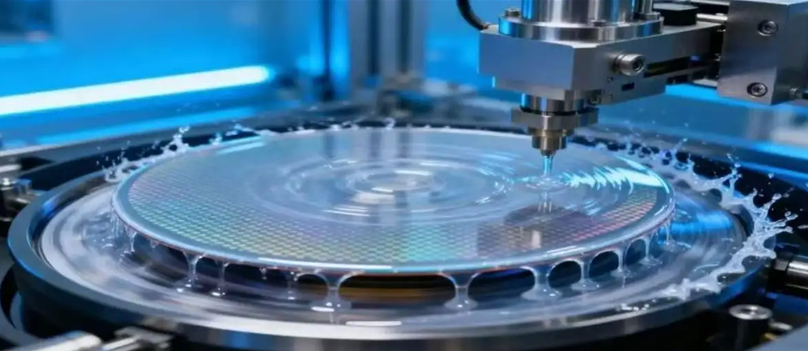
Getting the Heat Right in Bio-Sensor Fabrication
If you’re building bio-sensors, you know the drill. You need a very specific amount of heat to cure your polymers or get those reagents moving on the wafer. But here’s the problem: standard infrared lamps are pretty wasteful. A huge chunk of that energy just bounces backward into the lamp housing, doing absolutely nothing for your product. We figured out a way to stop that waste. We use gold-coated reflectors to basically force all that energy forward, right where it belongs. Why gold? It comes down to how gold handles infrared radiation. It’s incredibly reflective. By adding a precision layer of gold to the reflector, we catch those photons that would normally disappear and shove them back toward the wafer. It’s not just about being “green” or saving a few pennies on the electric bill. It’s about getting more actual heat—more watts per square centimeter—hitting your target without having to crank up the power at the wall. Dealing with the “Hot Spot” Headache In this business, hot spots are the enemy. One bad patch of heat and your yield tanks. That’s why we spend so much time on the curvature of the reflector. If the focus is too tight, you’ll torch the center of the wafer. Too wide, and the edges stay raw. We balance the lamp’s focal length with the gold coating to make sure the heat hits the entire surface evenly. It just works. The Catch (Because there’s always one) Gold reflectors are amazing, but they’re a bit moody. A single fingerprint or a smudge of chemical residue on the coating can create “cold spots” on your wafer. You’ve got to keep the optics spotless. Also, because you’re concentrating so much heat on the wafer, your substrate holder needs to be up to the task. If you push the wattage too hard without cooling the surrounding areas, you might find your mounting brackets starting to warp. Keep an eye on your chassis, and you’ll be fine.