
Winter doesn’t shut down outdoor seating—it just changes the rules. A patio that feels fine at 50°F can turn uninviting the second the wind picks up, and that shift hits your bottom line. Guests cut their stays short, average check size drops, and your staff ends up playing whack-a-mole with hot spots and cold zones.
What actually matters under the hood
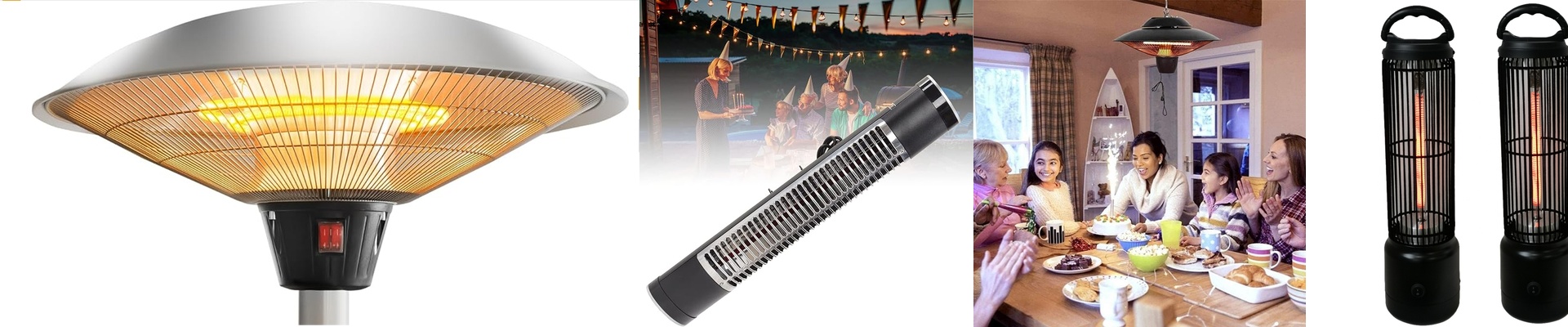
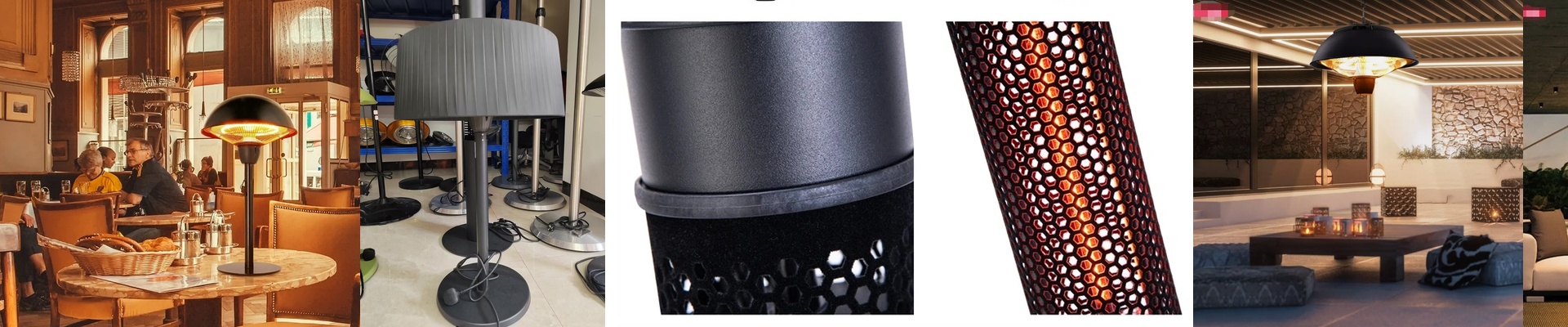
We design commercial patio heating around infrared radiant warmth, because it heats people and surfaces directly—no point wasting energy on empty air. Our commercial infrared patio heaters run on a carbon fiber element that produces medium-wave output, so you feel the warmth fast, and it holds steady without the draftiness that comes with forced air.
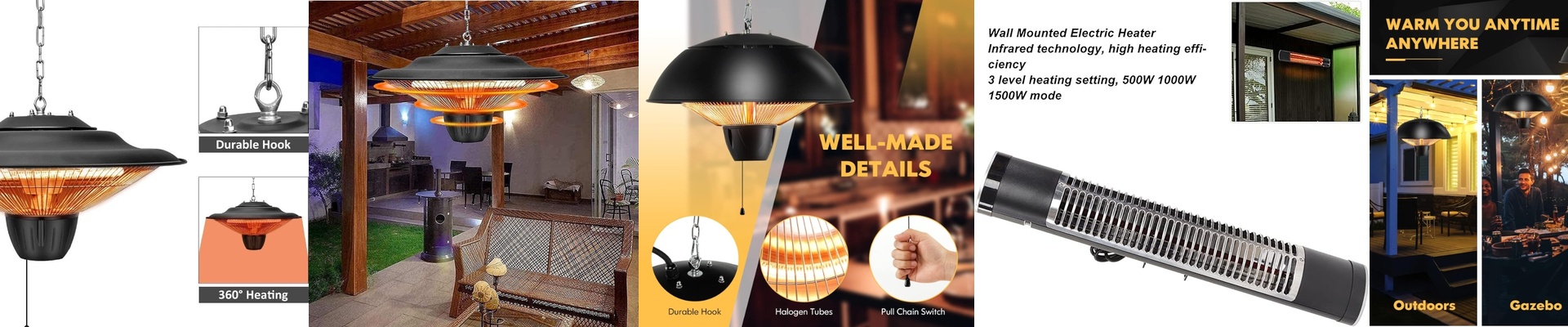
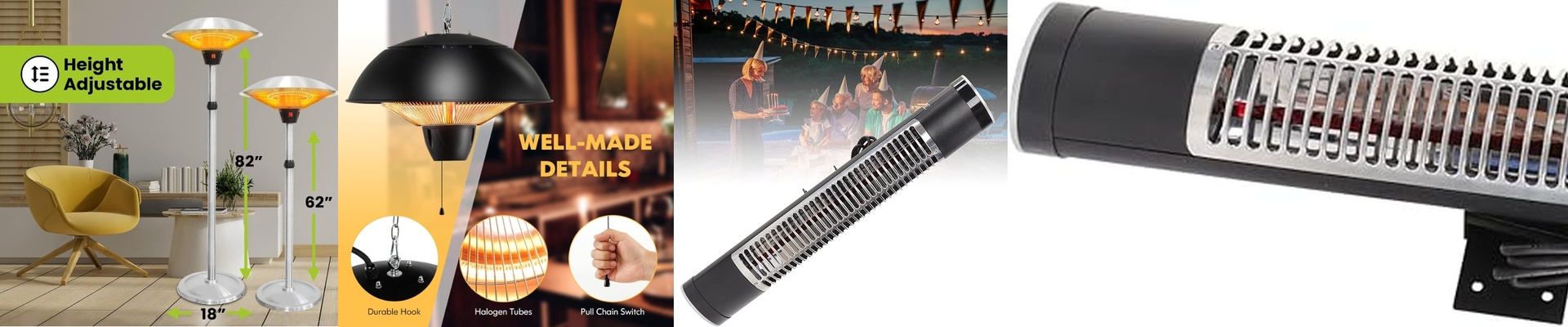
These units are built for hard-wired commercial installs. The heating element is protected, and the housing is sealed to handle moisture and wind. Control is straightforward: an adjustable thermostat keeps the feel consistent, and tip-over protection adds a practical safety margin in spots where crowds move and chairs get bumped.
Why this approach works on a restaurant patio
Comfort is what you’re selling out there. Infrared heat makes tables feel genuinely warm the moment a guest sits down, which means you can keep more seats filled when the temperature dips. Because the warmth is directional, you can aim it where people actually sit—near tables and along walkways—instead of heating empty space.
The payoff is a more even experience, fewer complaints, and a longer service window that can meaningfully add to winter revenue. Staff feel the difference too: less draft, fewer temperature swings, and an environment that’s easier to manage.
The practical details that make or break it
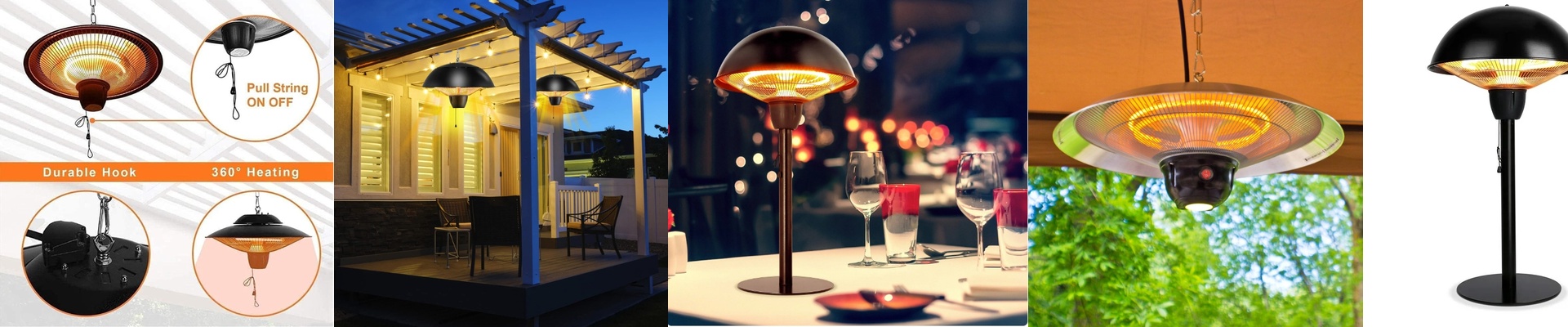
Infrared patio heaters are simple, but placement is everything. For coverage that works, mount units 7–9 feet high and angle the warmth toward seating, not straight down. Clearance matters for comfort and safety, so keep heaters away from combustible materials and any moving decor.
In wet conditions, confirm the IP rating matches the exposure, and run outdoor-rated wiring with proper overcurrent protection. And here’s the trade-off you can plan around: radiant warmth is strongest in the line of sight, so a few well-placed heaters will outperform one oversized unit trying to cover too much.