Introduction
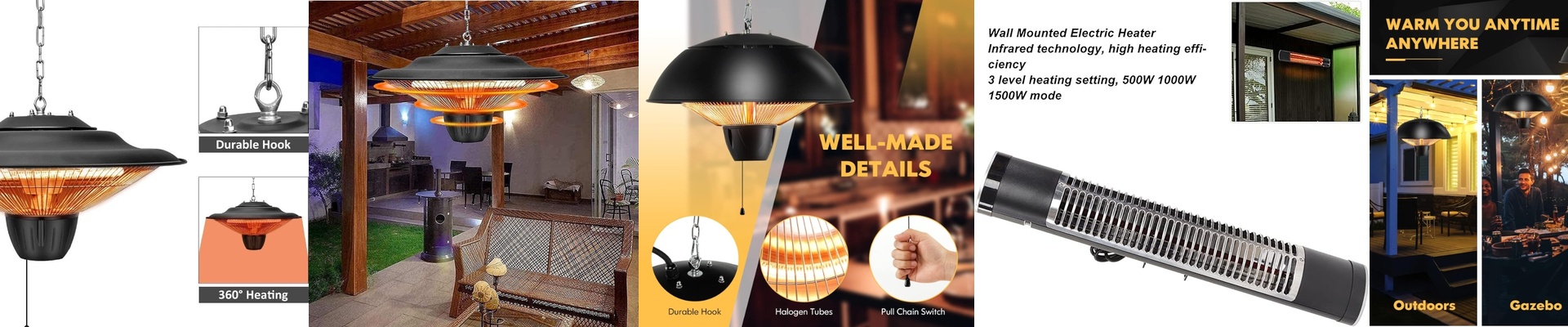
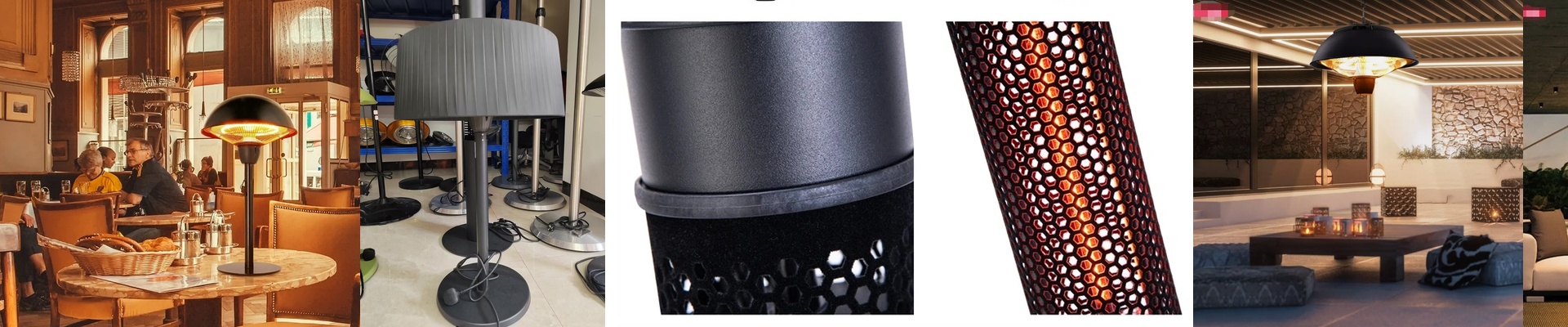
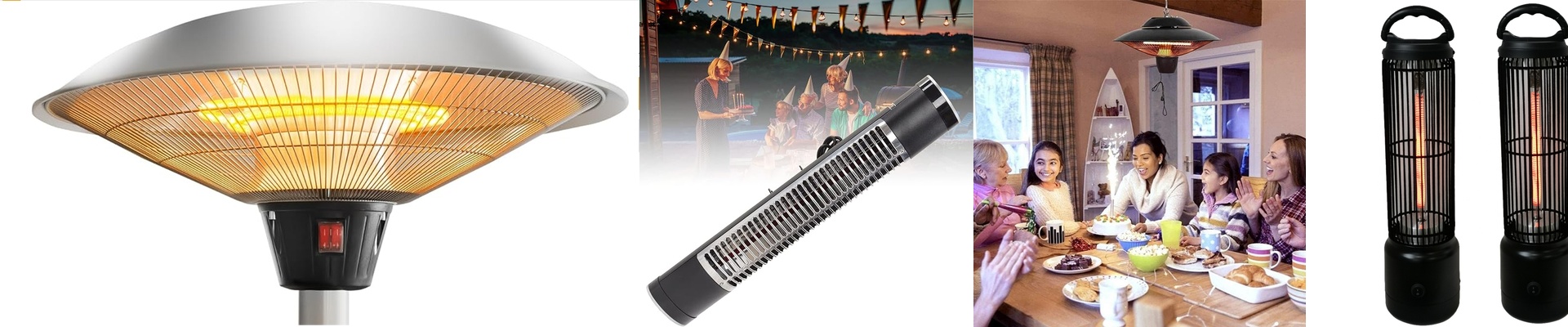
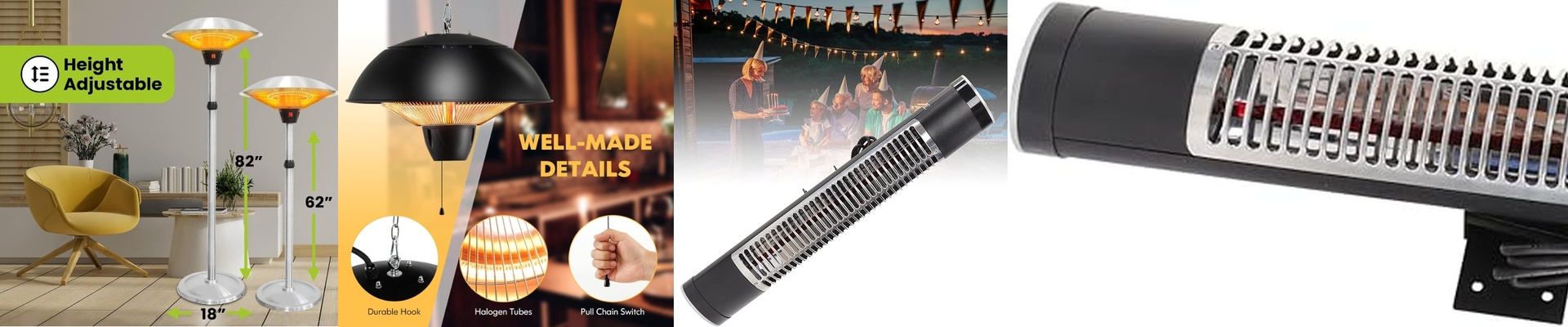
Picture this: a massive school gym, a fire station bay, a community center with soaring ceilings. You know the kind of place where the heat you pump in just rises up and vanishes into the rafters. It’s a frustrating problem, and it’s exactly what we built our freestanding infrared heaters to fix. Instead of just heating the air, these units send warmth straight down to the people and things on the floor. It’s a direct, targeted approach. And that’s the secret behind the serious drop in heating bills that so many public buildings are seeing.
The Power Behind the Heat
Let’s talk about what makes these things work. It all comes down to the high-output infrared tube. We packed a huge amount of heat into a small package, which means you can cover a massive area with fewer units. Fewer units equals less money upfront on equipment and less hassle down the line with maintenance. These heaters are built for the real world, running on industrial-strength power. That high-voltage setup keeps the heat output strong and steady across the whole tube. No dips. No weak spots. The tube’s size and shape are carefully chosen to spread the warmth evenly, so you get consistent comfort, not hot and cold patches.
The Heart of the Machine
Inside, you’ll find a halogen element tucked inside a high-purity quartz tube. This combo is the real hero. The halogen cycle keeps the element clean, which is a huge deal. It means you won’t get that burn-out and dimming you see with standard coil elements. The result? A longer life and steady, reliable heat for thousands of hours. The quartz tube itself is coated to handle the constant on-and-off of commercial use. And when it’s time to install them, we kept it simple. They use standard R7s connectors, so the wiring is a breeze. They just plug right into existing sockets, which means you can upgrade an old space with almost no downtime.
The Real-World Payoff
For public buildings, the savings are two-fold. Because the heat goes directly where it’s needed, you can actually run the thermostat at a lower temperature and still keep everyone comfortable. That right there cuts your energy use. Plus, you’re only heating the spots that are in use, not wasting energy on empty corners. Now, here’s the thing to keep in mind: this is line-of-sight heating. Walls and other obstacles will block the warmth, so you need to plan the layout carefully. But for those big, open municipal spaces, the energy savings are impossible to ignore. The physics of infrared just sidesteps all the waste that comes with trying to heat the air.