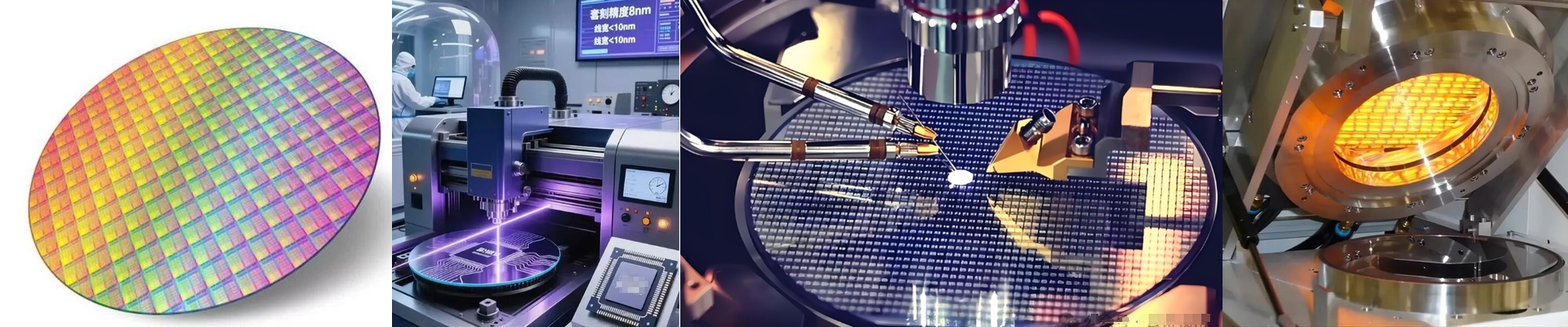
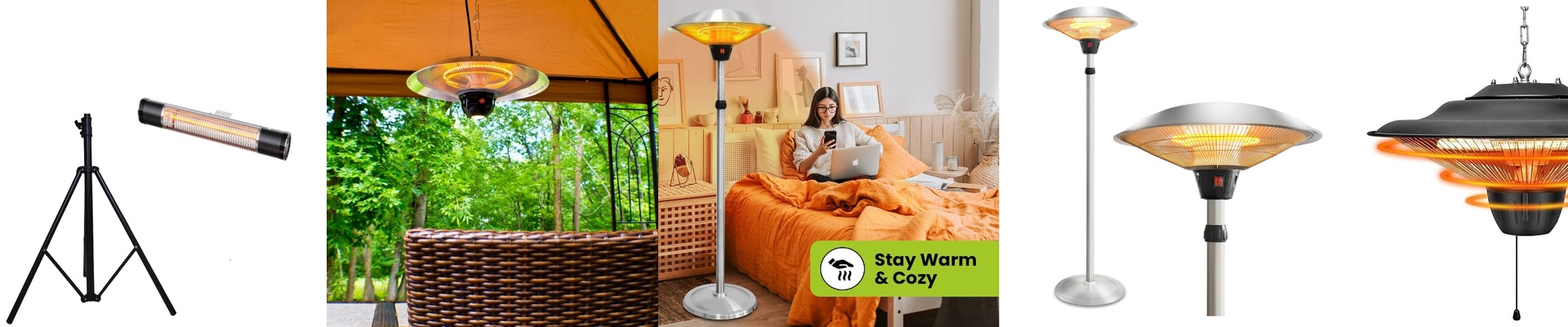
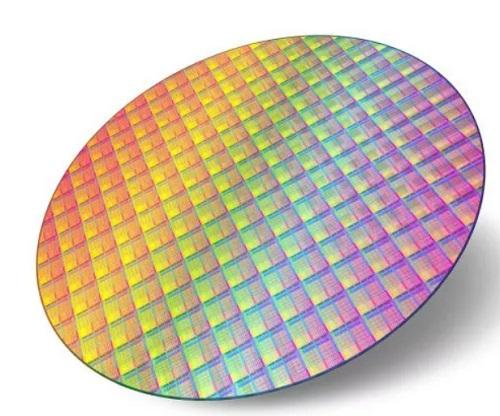
On the fab floor, polyimide curing isn’t just another step—it’s a lever on yield. Push the temperature off by 1.5°C and you’ll shift stress, warp wafers, and throw away hours of lithography work. We built the thermal platform to keep the bake profile inside the window, run after run. What matters, technically We hold ±0.1°C wafer-level uniformity across the full cure range, using short-wave infrared with tight spectral control to match the polyimide absorption. The hot zone stays quartz and high-purity ceramic—chosen because they hold temperature without adding outgassing. Cleanroom Class 1–100 compatibility isn’t an afterthought: low-particle materials, sealed joints, and positive laminar airflow routing are baked into the design. The system repeats each bake with a documented thermal budget, traceable to SPC limits, so soft bake and hard bake are interchangeable only when the data backs it up. Here’s the thing: polyimide cures need stable heat with no hot spots. We deliver that stability 24/7, and in multi-shift runs we’ve logged zero unplanned downtime. Photoresist bake precision follows naturally—edge bead control stays tight, CD loss drops, and rework falls off. Energy use drops too: fast ramp-to-setpoint cuts dwell time without sacrificing crosslink density. The result is higher throughput with fewer excursions, and a curing line that behaves like a fixed process variable. What you need to know up front Installation needs dedicated exhaust and a verified clean power feed—those ramp rates only happen when the supply is clean and grounded. Plan on a short commissioning run to lock in the recipe for your specific polyimide stack. Once it’s set, the process is repeatable, but the initial qualification isn’t optional.