Why We Burn-In Every Bathroom Infrared Heater
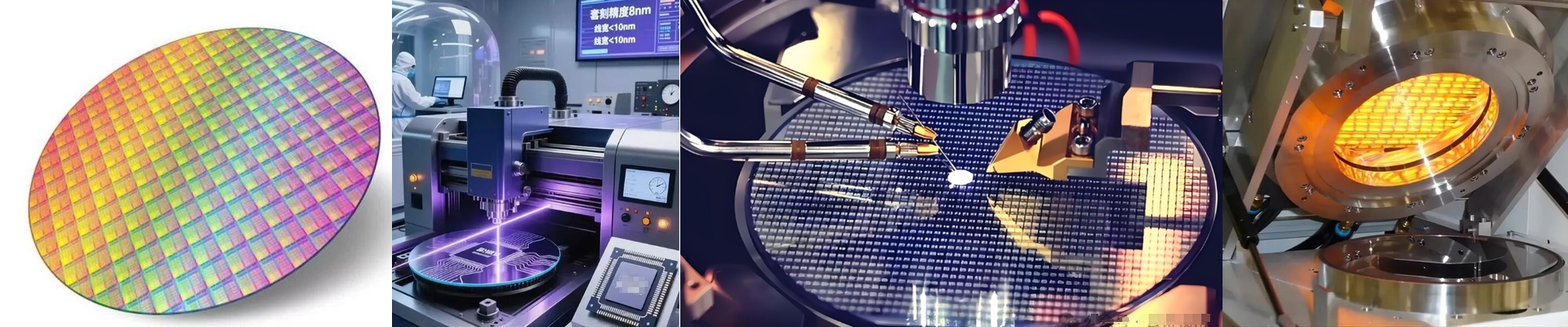
Here’s the thing about bathroom heaters: they don’t live in a gentle world. They live in a sauna. So before any one of our programmable electric bathroom infrared heaters even thinks about leaving the factory, we put it through the wringer in our damp-heat aging chamber. This isn’t a box we tick for marketing. It’s the final gate. The non-negotiable. Bathrooms are brutal. Steam, condensation, and wild temperature swings team up to wreck electronics and corrode connections. A heater that looks great on paper can fold in weeks if it wasn’t built and tested for that reality. Our aging test forces those weak points to show themselves in the lab—not in your ceiling.
Power, Voltage, and Size: The Real Details
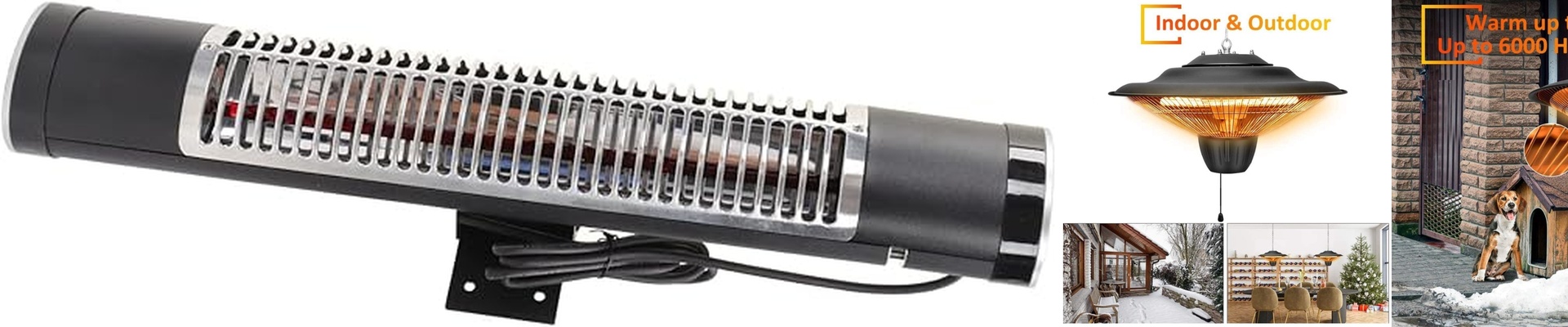
We design these heaters to deliver heat that’s steady, predictable, and repeatable. The heating element is tuned for a specific voltage range, so it hits the wattage it’s supposed to without overworking the circuit. That means a consistent temperature profile, every single time. And the size? It’s chosen to drop straight into standard installation spots. No redesigning housings. No wrestling with the wiring box. The geometry also aims the heat where you actually want it: downward, not spraying sideways. One honest trade-off: higher power density means faster warm-up, but it also means more heat on the surrounding enclosure. So plan your ventilation and clearances early.
The Materials That Make It Last: Quartz, Coating, and Connections
Infrared performance starts with the tube. We use quartz because it handles thermal shock like a champ. A bathroom heater has to go from cold to hot, then back to cold, without cracking. Inside, the filament is tuned to deliver the right infrared spectrum, focused on warming surfaces—not just the air. Then there’s a protective coating to keep things tough in humid conditions. It helps prevent surface degradation from condensation and keeps output stable over time. And the connection matters, especially when you’re installing it in the real world. An R7s-type interface gives you a secure, low-resistance connection that stays tight despite repeated installs and thermal expansion. It’s made for the vibration and temperature cycling you actually get in a mounted unit.
Reliability Where It Counts: High-Humidity Bathrooms
In a bathroom, the heater isn’t just comfort—it’s a reliability risk. Our programmable control lets you set schedules and temperature limits, so you avoid unnecessary runtime and protect the system. The damp-heat aging test checks the whole build: seals, connections, coatings, and control stability under steady humidity. Units that pass this test give you predictable performance and fewer service headaches. And let’s keep it real: even with rigorous aging, you still need to match the heater to the enclosure’s IP rating and make sure you’ve got proper drainage and venting. Otherwise, moisture will find a way. When you need a bathroom infrared heater that just keeps working, we don’t cut corners. We burn them in first.