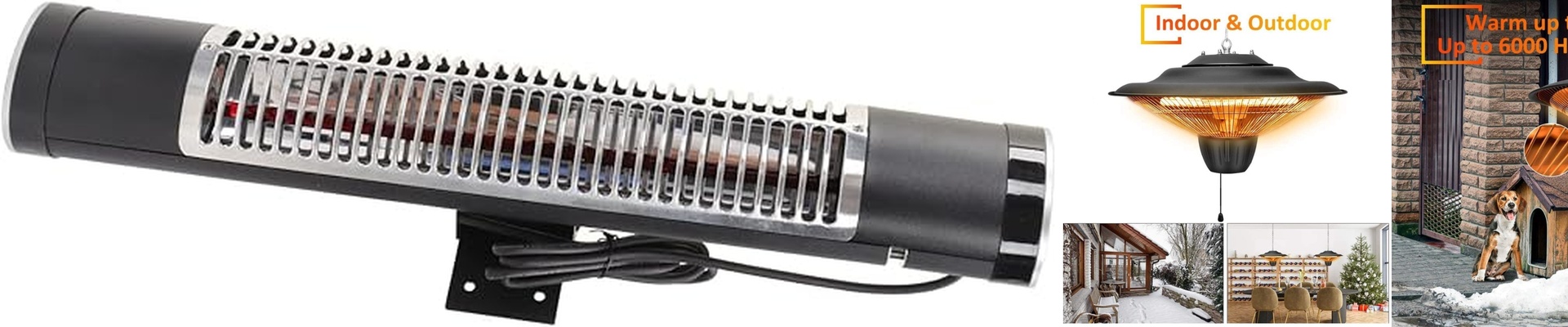
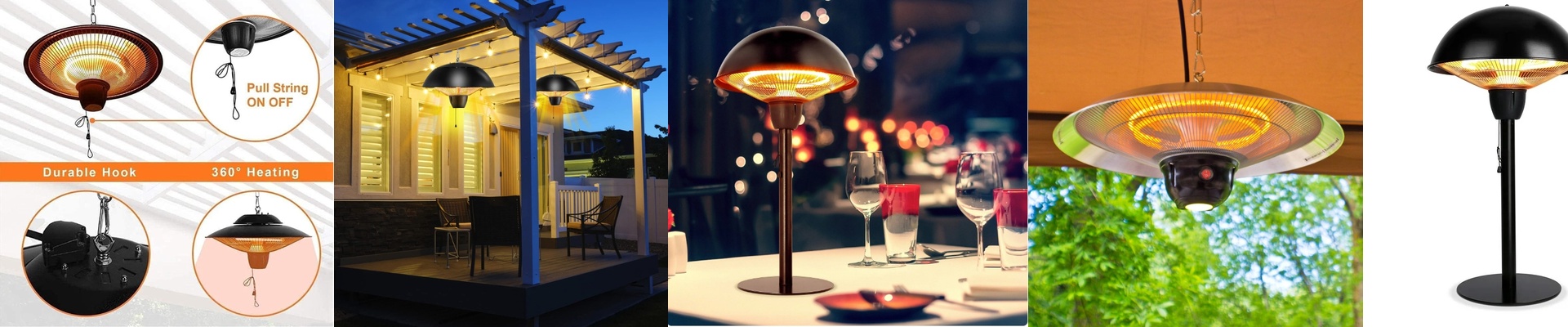
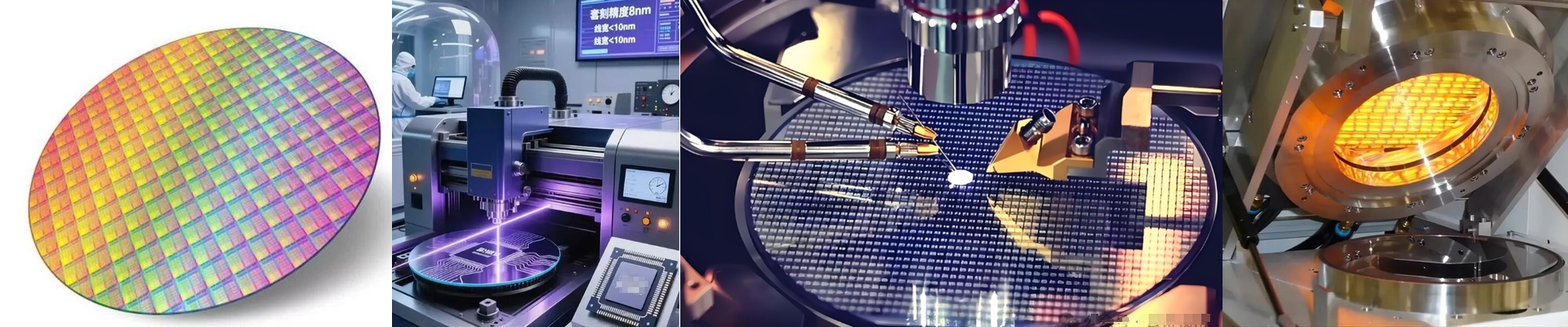
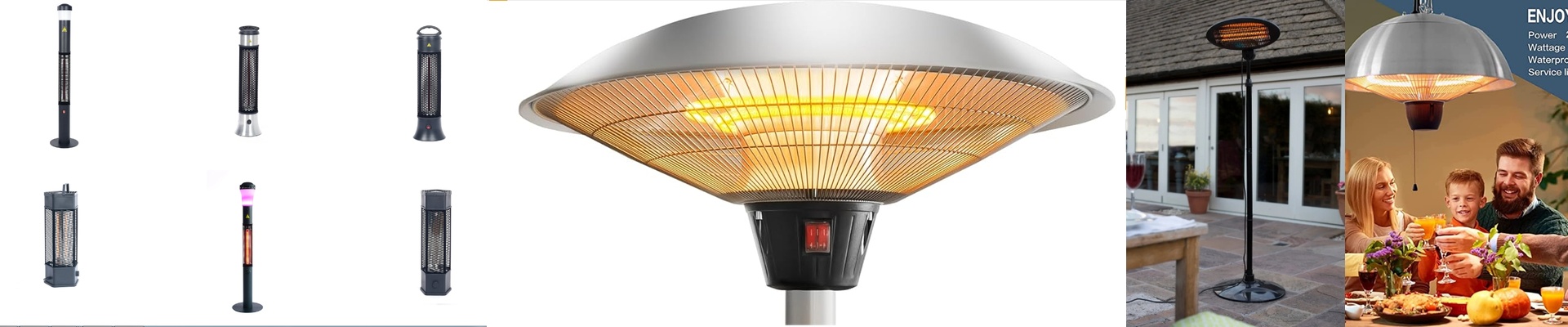
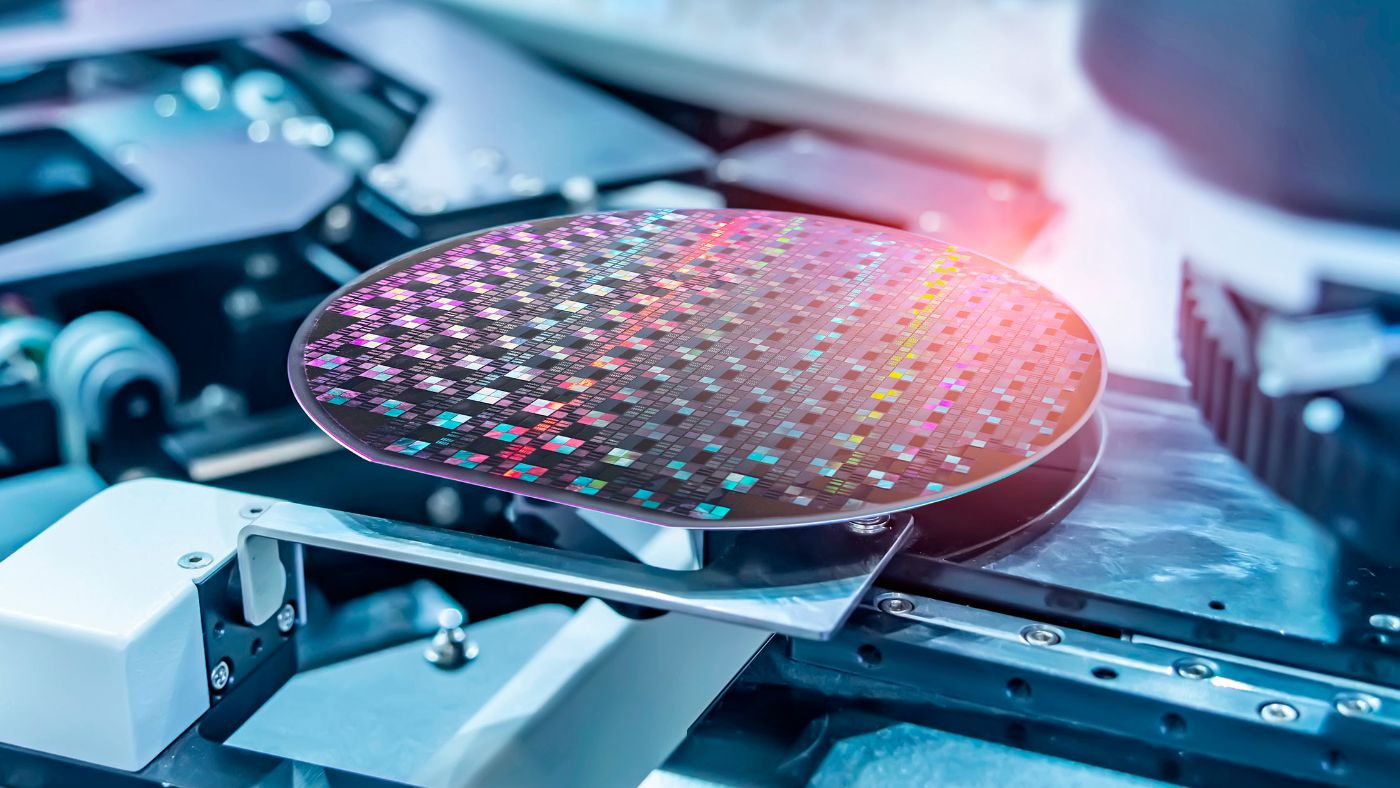
Out on the fab floor, you know how it goes: a soft bake that drifts even two degrees can throw critical dimensions off and turn a whole lot into scrap. Temperature uniformity across the wafer isn’t a “nice-to-have.” It’s a hard requirement. TEL heater lamps give lithography cells the thermal control they need, cycle after cycle. What matters under the hood We build the lamp around short-wave infrared emission and a quartz-halogen design, tuned to dump heat into photoresist and substrate fast—and repeatably. Across the bake surface, wafer-level uniformity holds at ±0.1°C, and setpoint repeatability lands in the millisecond range. The system drops into Class 1–100 cleanrooms without hiking particle counts; zero particle generation is verified by in-line monitoring during qualification. Power stays stable from startup through 5,000+ hours, with output drift held under 5% under continuous duty. Why this matters in photoresist processing Soft bake and hard bake set line width, profile, and adhesion. TEL heater lamps lock down the thermal budget, so you can run tighter control limits and cut down on excursions. The payoff is higher yield per lot and less rework driven by bake nonuniformity. Energy use falls because the lamp hits temperature quickly and holds it without much overshoot, and the long service interval keeps scheduled downtime off the calendar. You widen the process window without sacrificing throughput. Here’s what to watch for The lamp only hits spec when it’s matched to the tool’s voltage, connector interface, and optical path geometry. Keep replacement alignment tight and the quartz clean—misalignment or fingerprints on the quartz will chew into uniformity. Line up the swap with your preventive maintenance window, and verify temperature profiles after every installation to keep the process nailed down.
در فضای کارخانه، میدانید قضیه چگونه است: یک پخت نرم که حتی دو درجه جابجا شود میتواند ابعاد حیاتی را به هم بریزد و مقدار زیادی از محصول را به ضایعات تبدیل کند. یکنواختی دما در سراسر ویفر یک «امتیاز اضافی» نیست، بلکه یک الزام سختگیرانه است. لامپهای گرمکن TEL کنترل حرارتی لازم برای سلولهای لیتوگرافی را در هر چرخه فراهم میکنند.
آنچه در پشت صحنه اهمیت دارد
لامپ را بر اساس تابش مادون قرمز کوتاهموج و طراحی کوارتز-هالوژن میسازیم که به سرعت و به صورت تکرارشونده حرارت را به فوتورزیست و زیرلایه منتقل میکند. یکنواختی سطح پخت در سطح ویفر در حدود ±0.1°C حفظ میشود و تکرارپذیری نقطه تنظیم در محدوده میلیثانیه است. این سیستم بدون افزایش شمار ذرات، در اتاقهای تمیز کلاس 1 تا 100 نصب میشود؛ تولید صفر ذره توسط پایش خطی در طول مرحله صلاحیت تایید میشود. توان از زمان راهاندازی تا بیش از 5,000 ساعت پایدار میماند و تغییر خروجی در حالت کار مداوم زیر 5% حفظ میشود.
چرا این موضوع در پردازش فوتورزیست اهمیت دارد
پخت نرم و پخت سخت عرض خط، پروفیل و چسبندگی را تعیین میکنند. لامپهای گرمکن TEL بودجه حرارتی را کنترل میکنند تا بتوانید محدودیتهای کنترل دقیقتری اعمال کرده و از انحرافها بکاهید. نتیجه این کنترل دقیق، افزایش بازده هر دسته و کاهش کار مجدد ناشی از نابرابری پخت است. مصرف انرژی کاهش مییابد چون لامپ به سرعت به دما میرسد و آن را بدون نوسان زیاد حفظ میکند و دوره سرویس طولانی نیز باعث میشود زمانهای توقف برنامهریزیشده کمتر شود. این امر پنجره فرآیند را بدون کاهش توان عملیاتی گسترش میدهد.
مواردی که باید مراقب آنها باشید
لامپ تنها زمانی به مشخصات فنی میرسد که با ولتاژ دستگاه، رابط کانکتور و هندسه مسیر نوری مطابقت داشته باشد. تنظیم جایگزینی را دقیق نگه دارید و کوارتز را تمیز نگاه دارید—تنظیم نادرست یا اثر انگشت روی کوارتز باعث کاهش یکنواختی میشود. تعویض را با بازه نگهداری پیشگیرانه خود هماهنگ کنید و پس از هر نصب، پروفیل دما را تایید کنید تا فرآیند به درستی کنترل شود.