Introduction
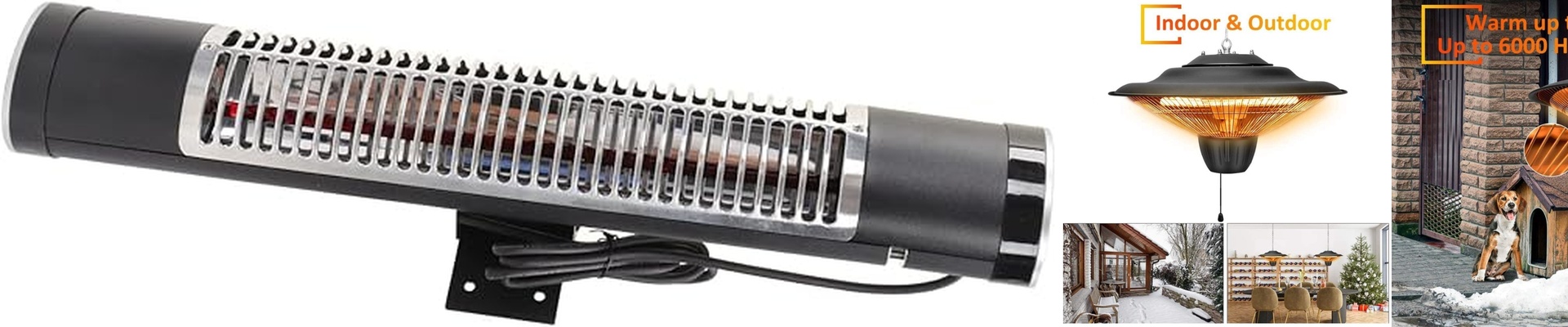
Let’s get real—we don’t build these infrared heaters for cozy living rooms. These are workhorses, built for the grit of industrial floors. They run on raw electrical power, and let’s be honest, that power is rarely perfect. So here’s the big question: when the grid voltage starts swinging all over the place, how does the heater keep its cool? Simple. We built a smart compensation system right into the circuitry. It’s our way of making sure the heating element stays stable, and that your heater keeps running for the long haul.
Power, Voltage, and Dimensions: The Real Deal
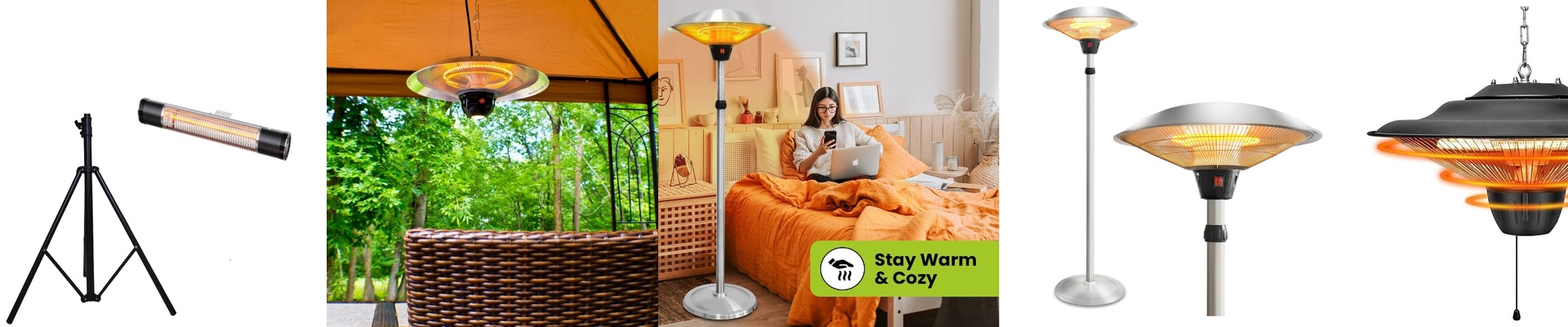
When it comes to infrared heaters, it’s all about heat density. A typical baseboard unit is rated at 240V or 400V, with wattage matched to its length and the job it’s doing. But voltage stability isn’t just about hitting that magic number. It’s about protecting the element from spikes that push current beyond its limits. Our compensation circuit is always on the job. If the voltage sags, it keeps the current steady. If it surges, the circuit steps in to clamp the load and shield the element from thermal shock. That means the temperature stays right where it should be. The payoff? Fewer burnouts, and heat output you can count on, day in and day out.
Materials and Design: The Nitty-Gritty
The heart of the heater is a halogen-filled quartz tube. The halogen gas lets the filament run hotter and cleaner, which means you get faster heat-up and a steady stream of infrared heat. We coat the quartz to control emissivity and keep it safe from the harsh chemicals often found in industrial settings. For the electrical connections, we stick with industrial-grade R7s or Sk15 connectors. These are built to handle high current and high heat. That means less resistance at the connection points, less heat buildup, and no hot spots that could crack the tube. Installation? Just line it up, seat it, and lock it in place. Easy.
Where They Shine: Application and Benefits
These heaters are made for the tight spots—the places where space is at a premium and you can’t afford downtime. Thanks to that compensation system, the heater can take a beating from an unstable power supply without throwing in the towel. The result? Fewer surprise maintenance calls and fewer spare parts gathering dust on the shelf. Now, there is a trade-off. The higher wattage density means you get heat fast, but you do need to plan for proper cooling and ventilation. Just size the heater right, wire it up with the right connectors, and the whole system will run exactly as it should—even when the voltage doesn’t.