High-Efficiency Gold-Coated Infrared Lamps: Getting the Heat Right for Bio-Sensor Wafers
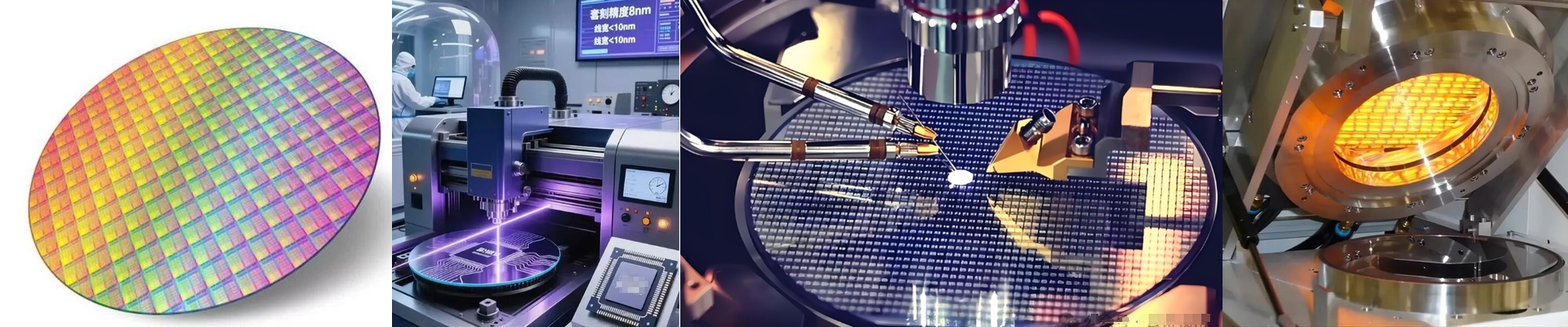
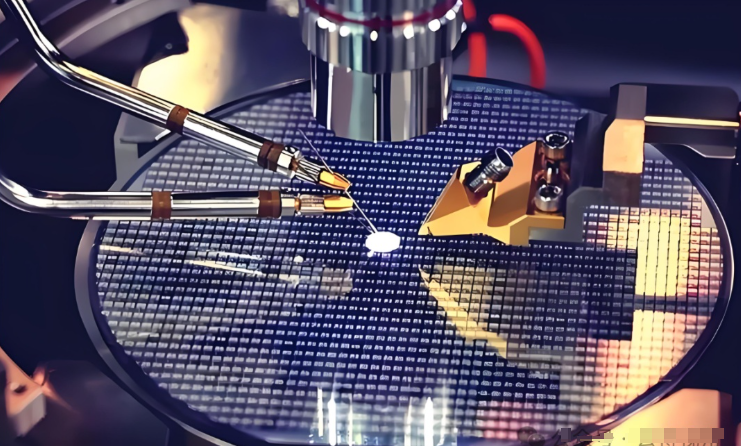
When you’re building bio-sensors, heat isn’t just a step in the process. It’s the difference between a good wafer and a wasted one. So we built an infrared lamp that treats heat like a precision tool, not a blunt instrument. The whole system is designed around one goal: deliver intense, even heat exactly where you need it, when you need it.
Power, Voltage, and Focused Heat
Here’s the thing about these lamps: they’re built to deliver serious heat, fast. We pair high wattage with a high-voltage setup, so you get a blast of shortwave infrared without the energy getting bogged down in the wiring. It means your temperature ramps up quickly—perfect for annealing, bonding, or deposition. More focused energy on the target means shorter cycle times and a tighter handle on your thermal budget. But with that kind of power density, your equipment needs to be ready. You’ll want cooling and thermal isolation that can keep up, so the chamber stays stable and your process stays predictable.
The Secret: Gold Coating and Smart Geometry
The heart of the design is the gold-coated reflector. Gold stays highly reflective across the infrared spectrum, so less energy gets soaked up by the reflector and more gets pushed straight to the wafer. It’s not just a pretty finish—it directly boosts how efficiently electrical power turns into radiant heat. Then we shape the reflector to concentrate the output into a defined hot zone that matches the wafer footprint. Pair that with a tough quartz envelope and a connector that installs cleanly and repeatably, and you’ve got a lamp you can set up quickly, run hard, and trust shift after shift.
Why This Matters for Bio-Sensor Manufacturing
In bio-sensor fabrication, you need heat that stays on target—and nowhere else. These gold-coated infrared lamps give you focused radiant energy that heats the wafer consistently, which helps cut down thermal cross-talk and keeps your process repeatable. For engineers, that means fewer swings in parameters, faster stabilization, and easier integration into the tools you already run. It’s a practical, drop-in thermal source built for clean-process environments. Just keep one thing in mind: this level of heat density demands that your machine’s cooling and electrical setup be planned properly from the start.