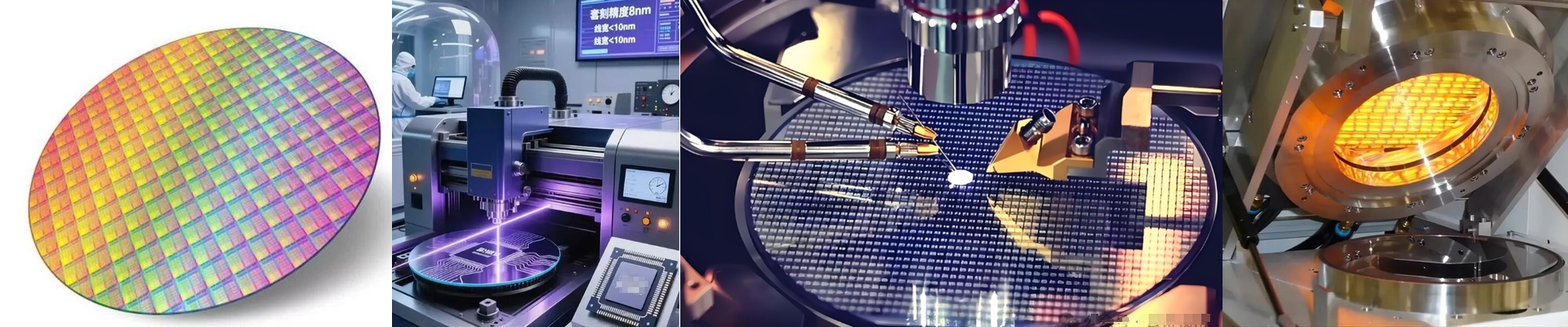
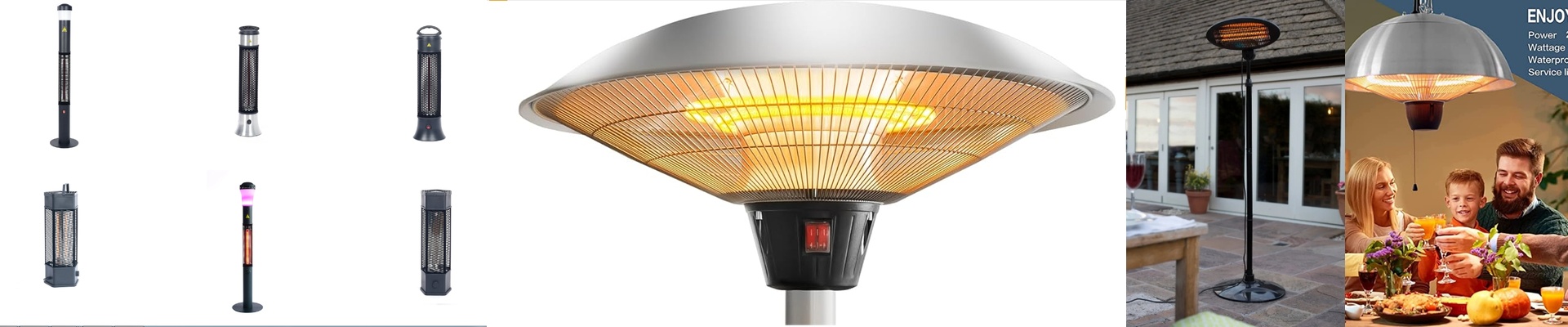
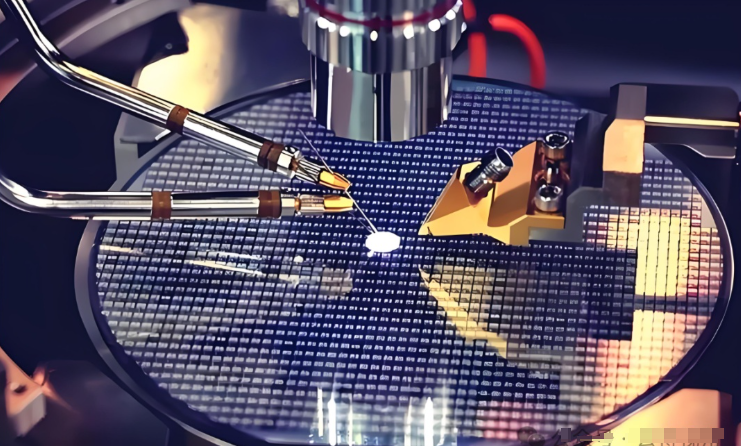
On the fab floor, a drift in wafer drying temperature shows up fast—right in the photoresist profile. You see it as T-topping after develop, and as line-width control slipping after etch. We built a low-cost drying lamp bulb to keep thermal drift out of the equation. What matters technically This bulb leans on short-wave infrared to hit rapid, localized heating with sub-second response. It targets the soft bake and hard bake steps, holding setpoint repeatability within ±0.1°C across the wafer. That preserves critical dimension uniformity without overshooting the photoresist thermal budget. The filament and quartz envelope are built for Class 1–100 cleanroom use, and we’ve verified zero particle generation with in-situ monitoring. Output stays stable over 5,000+ hours, with less than 5% intensity drop. Why it works in real lithography cells It drops straight into existing coat/bake tracks—no need to re-qualify the whole oven. The fast ramp shortens the bake window, which tightens cycle time while keeping the hard bake profile tight enough for etch and implant tolerances. Energy draw is lower than full-chamber systems, and when it’s time to swap, it’s a simple field replacement. No recalibration of the entire thermal stack. The payoff is predictable process control, less scrap, and fewer unplanned stops. Things to keep in mind The bulb fits standard mounts and connectors, but double-check the reflector geometry and aperture on your coater or dryer. Output intensity is tuned for wafer drying and photoresist bake—not a drop-in for high-temperature anneal sources. Keep the quartz surface clean of residues, and make sure your cleanroom airflow isn’t creating thermal gradients across the wafer.