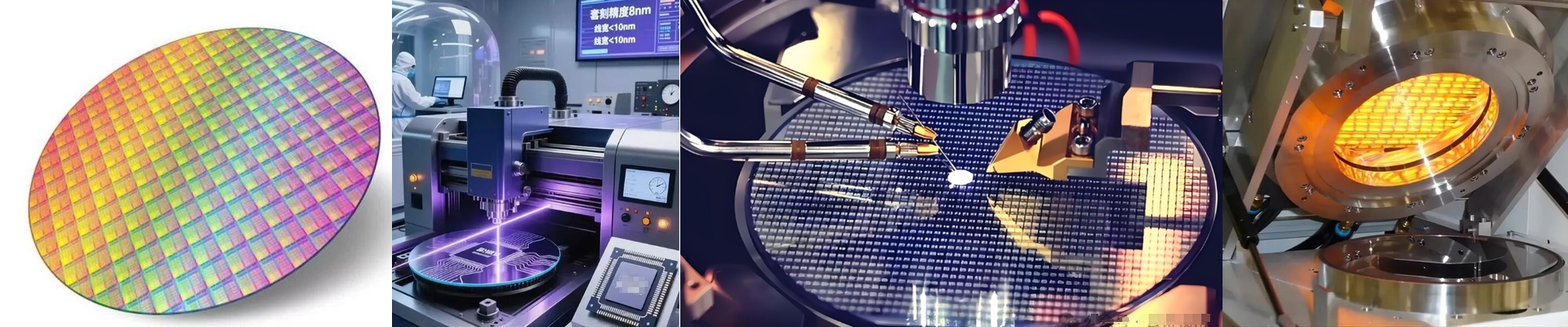
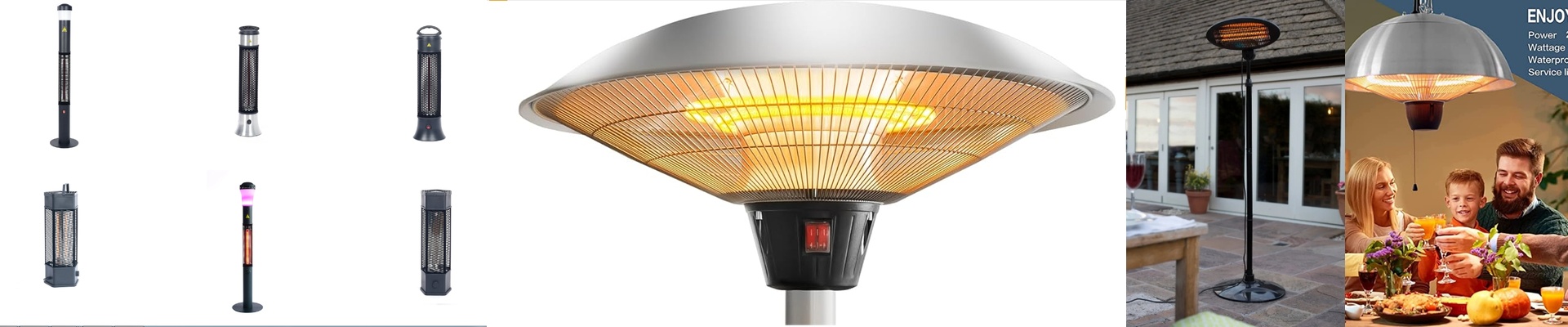
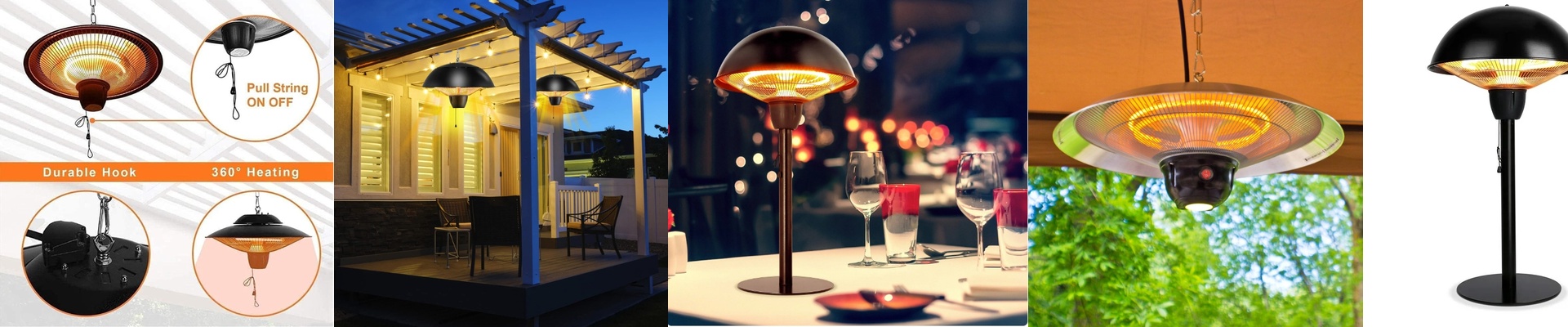
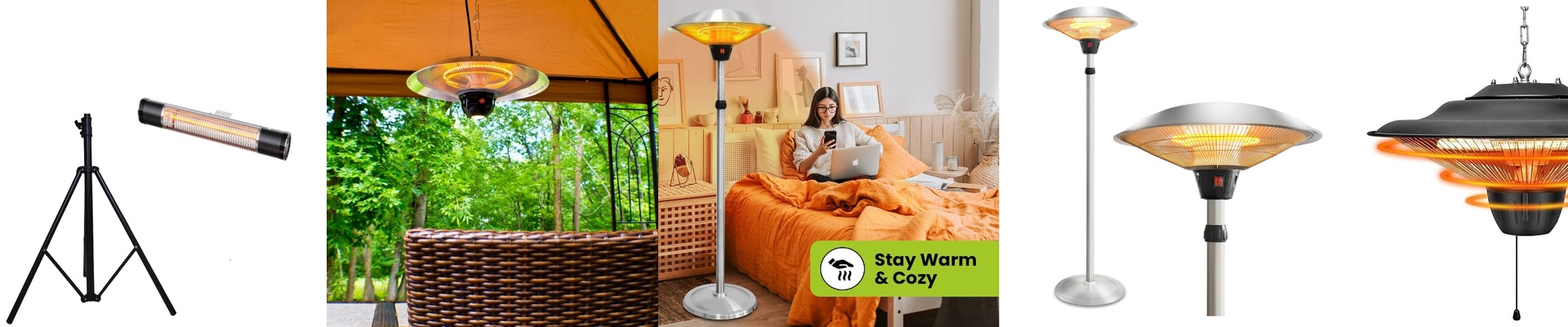
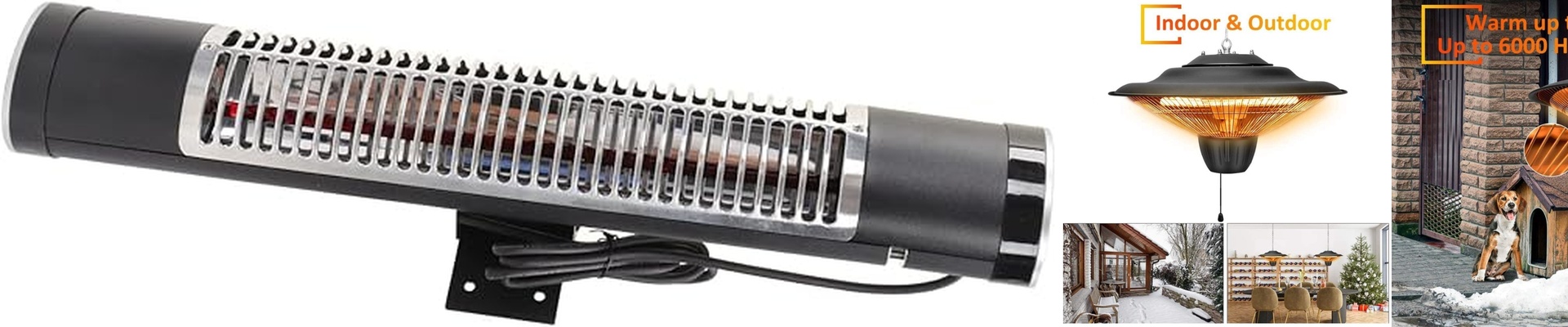
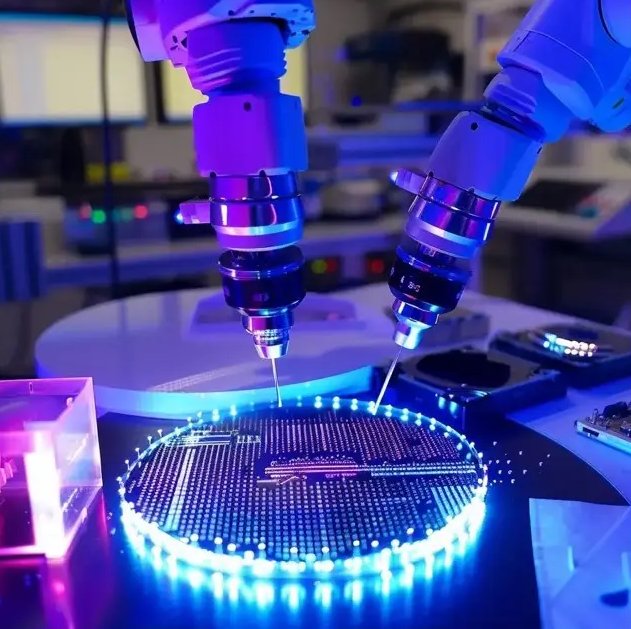
Out on the fab floor, you don’t always see the problem coming. A small drift in drying thermal uniformity quietly drives up energy use—and scrap. In soft bake and post-clean drying, you need sub-degree stability. Hot spots, even minor ones, show up as pattern defects, while inefficient heating just wastes power and makes the cleanroom work harder. What matters under the hood We run drying with short-wave infrared emitters, giving us sub-millimeter control over the thermal field. The system holds wafer-level uniformity within ±0.1°C across the chuck, and the repeatability is tight enough to keep critical bake windows consistent from lot to lot. Response is fast, so soak time drops and the temperature settles at setpoint in seconds. Energy monitoring is built in, too—per-batch kWh, duty cycle, and temperature variance are logged, so the energy audit is straightforward and actionable. Why this plays in lithography and drying In lithography and post-clean drying, you need drying that doesn’t stir particles or stress the film. The infrared profile keeps photoresist within spec for soft bake and hard bake, pushes particle count down, and shortens cycle time. Energy spend comes down by cutting idle heat, trimming peak demand, and stretching emitter life—often 5,000+ hours with stable output. The payoff is fewer reworks, predictable throughput, and an energy audit that shows real savings without compromising process control. The things you really need to get right Matching the emitter to the substrate and chuck material matters. Reflective fixtures and the right mounting distance are what keep uniformity where it needs to be. Expect a modest line reconfiguration for a retrofit, and double-check cleanroom compatibility against Class 1–100 constraints. Plan on periodic sensor calibration to hold that ±0.1°C window steady.