Why Your Infrared Heaters Keep Dying in Wet Spots (And How to Fix It)
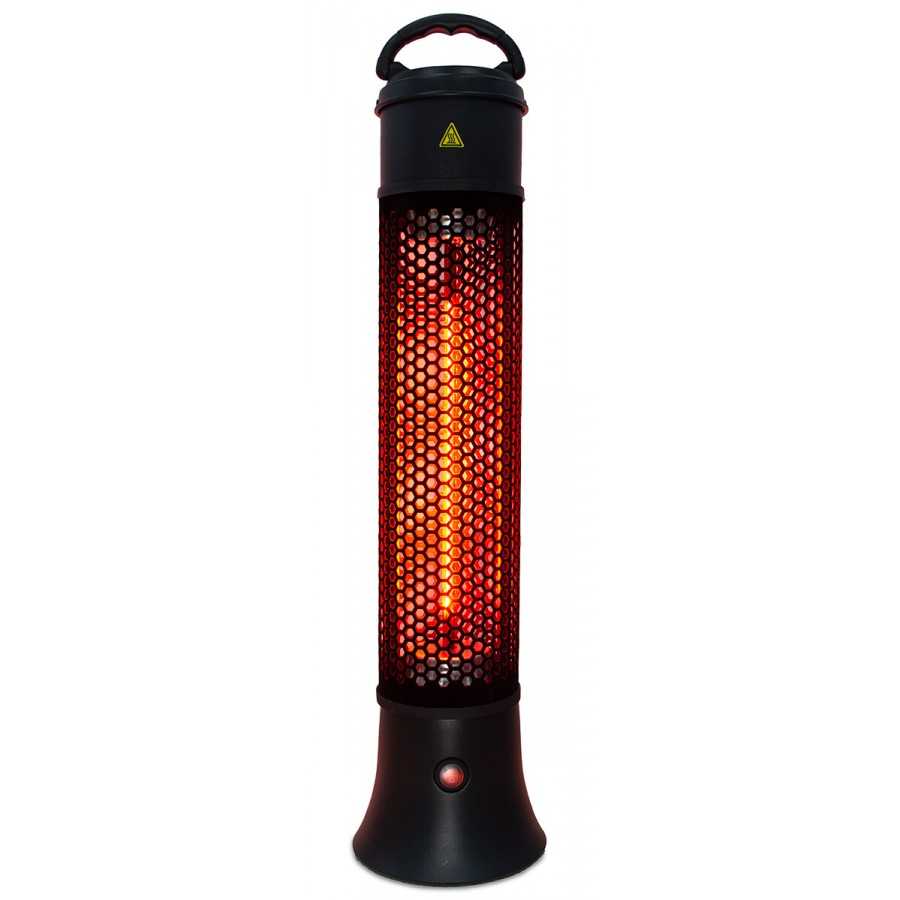
Most infrared heaters just aren’t built for the real world. If you put a standard unit in a place with fog, steam, or splashes, it’s basically a countdown to failure. Water sneaks in, shorts things out, or eats away at the heating element until it just quits. It’s frustrating. You’re replacing the same unit every few months, and the downtime is a headache nobody needs. That’s why we use IP65 sealing. It sounds like a technical spec, but in plain English? It just means we keep the gunk and the water out of the electronics. How it actually works We don’t just slap some tape on it. We use high-temp silicone gaskets and sealed cable glands. Think of it like a raincoat for your heater. When fog rolls in or someone sprays down the floor, the water just beads up and rolls off the chassis. It never reaches the terminals. No condensation, no drips, and definitely no “burn outs” in the middle of a shift. Saving your sanity (and your budget) When moisture gets inside, it causes oxidation on the contact points. This creates these annoying hotspots and messes with the electrical flow, which eventually kills the lamp. By blocking that moisture, the current stays stable. You get steady heat and a piece of equipment that actually lasts. You stop playing the “when will it break this time?” game. A few things to keep in mind Now, there is a trade-off. Because the housing is sealed tight to keep water out, it also traps more heat around the internal wiring than an open-frame heater would. You can’t just cram these units into a tiny, airless corner. Give them some breathing room or make sure your ventilation is on point. If you pack them too tight, the heat builds up and can actually stress those seals we worked so hard to put in. One last thing: always wire these into a proper GFCI circuit. Even with a sealed IP65 shell, you’re still dealing with electricity and water. Safety first. Get the sealing right, get the electrical spec correct, and your heaters will take a beating without breaking a sweat.