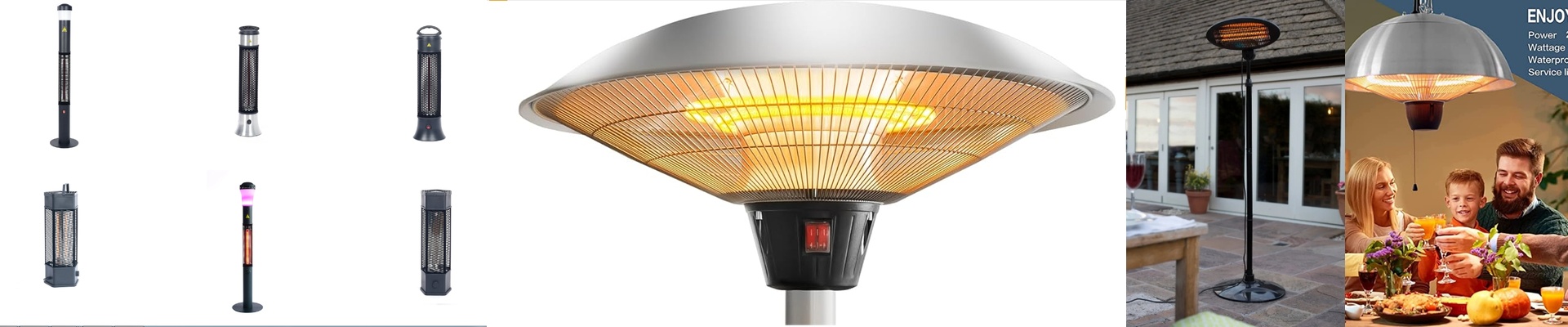
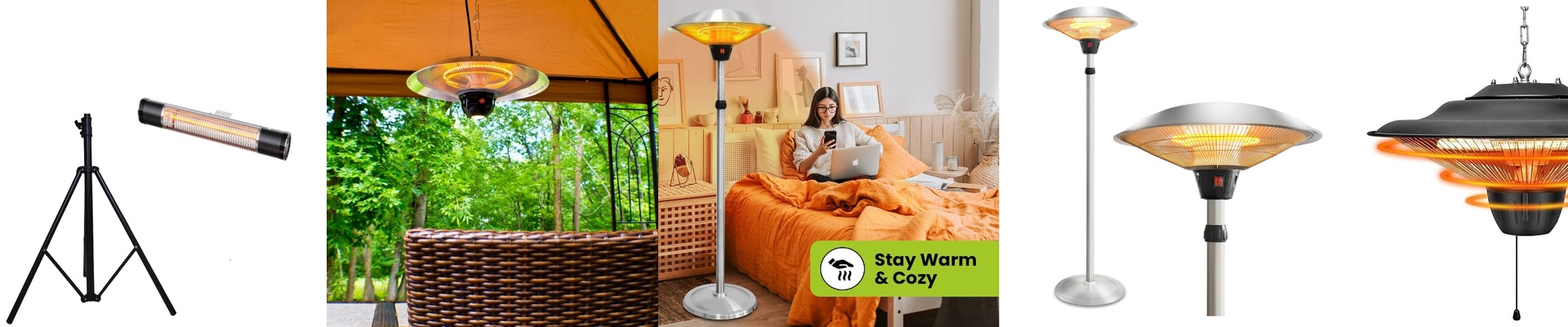
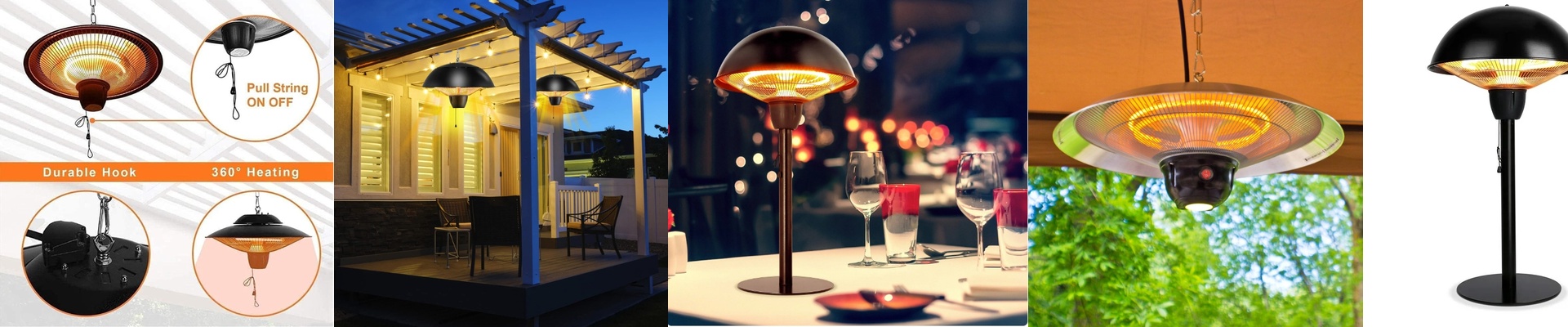

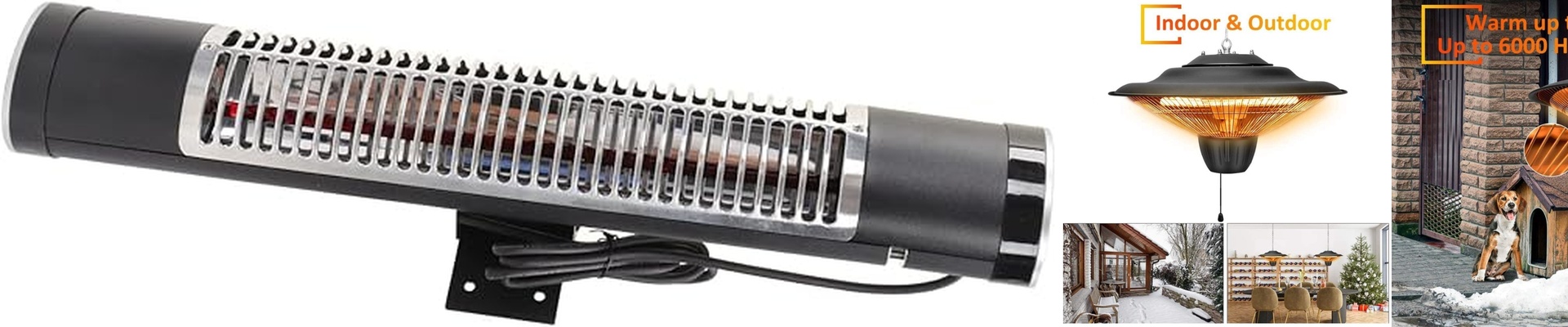

When the evening air starts to bite, the patio chairs go empty. People drift inside, and the house becomes the default hangout. An outdoor radiant heater flips that script. It turns a chilly corner into a place people actually want to be, so the conversation keeps going long after the sun drops.
What matters, technically
We build our outdoor radiant heaters around infrared technology. The heat goes straight to people and surfaces, not the air around them. A carbon fiber element comes up to temperature fast, and the quartz tube delivers steady, directional infrared warmth. Power is matched to the space—typically 1500W to 2000W on standard 120V circuits. A built-in thermostat holds the setting, and tip-over protection shuts the unit off if it gets knocked over. For outdoor use, an IP rating keeps things protected against light rain and splashes.
Why this works out there
On the patio, deck, or poolside, the air temp can be a liar. A breeze makes it feel colder than the thermometer says. Radiant heat warms you at the core, so the wind doesn’t feel like it’s undoing everything. You feel the warmth quickly, with less waiting around. That means you actually use the outdoor living area more, without cranking the indoor thermostat. For a lot of homeowners, that adds up to more evenings outside, better circulation on cool nights, and muscles relaxing as the surroundings stay comfortable.
The things to get right
Plan for a dedicated outlet right near the seating. Position the heater so the warmth covers the right zone without shining straight into anyone’s eyes. The IP rating handles typical exposure, but I still recommend keeping the unit under a roof or shelter to stretch component life. Keep the area around the heater clear, and follow the clearances in the manual. With placement that makes sense, an outdoor radiant heater delivers dependable warmth, season after season.