Stop Heating Your Machine and Start Heating Your Wafers
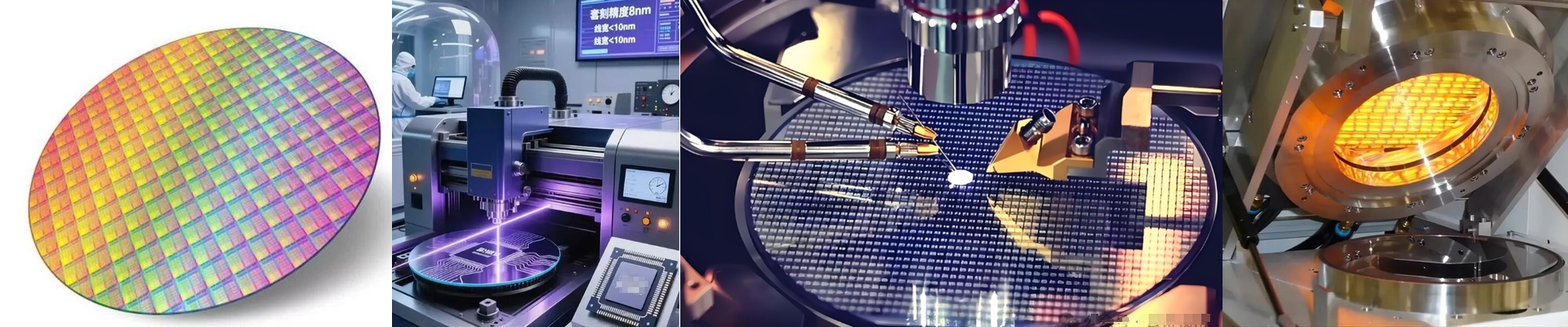
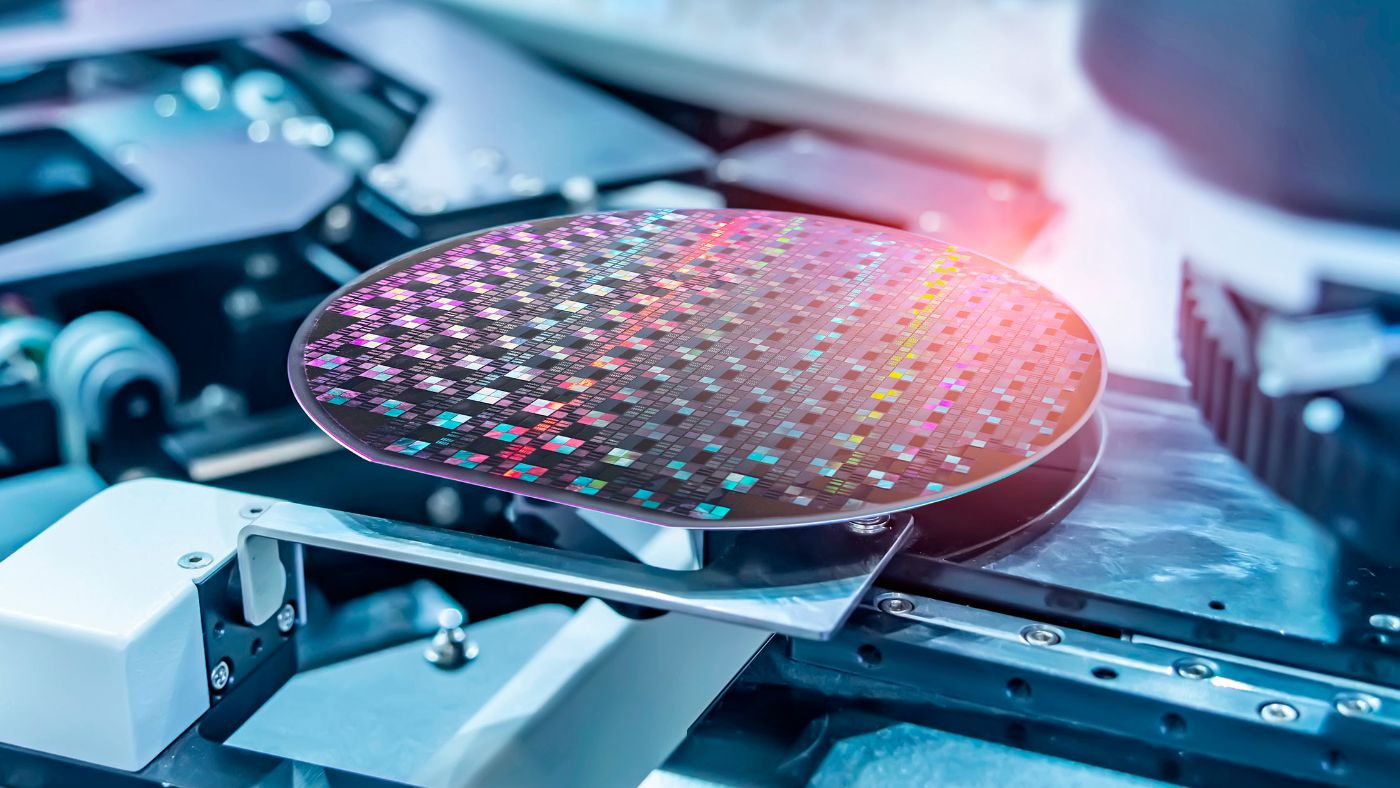
Most standard heating elements just blast energy in every direction. In a cramped semiconductor fab, that’s a recipe for a headache. All that wasted heat hits the inner walls of your equipment, turning your chassis into a giant radiator. Not only is it inefficient, but it’s also a great way for an operator to get a nasty burn. We handle this differently. We use directional infrared (IR) lamps that point the energy exactly where it needs to go—right onto the wafer or substrate. Getting the heat where it actually belongs Think of it like a flashlight instead of a lightbulb. By using reflectors and specific wavelengths, we push the heat forward. Instead of fighting a constant battle against ambient heat build-up inside the tool, the energy goes straight to the target. The inner walls stay cool. It just makes the whole environment feel more controlled. The nuts and bolts of the hardware When you’re picking out these lamps, wattage and voltage are what drive your ramp-up speed. If you go with high-wattage short-wave lamps, you’ll hit your target temperatures in seconds. But there’s a catch. That kind of heat density puts a lot of pressure on your gear. You’ve got to make sure your power supply and wiring can handle the peak current, or you’ll be replacing blown fuses more often than you’d like. Also, a quick tip: if you crank up the wattage without a solid cooling plan for the lamp ends, those filaments are going to burn out way too soon. A safer floor and a smaller footprint The best part? When you kill off that “stray heat,” the outer shell of the machine stops being a hazard. Operators can perform maintenance without worrying about touching a scorching chassis. We designed these as drop-in replacements. You don’t have to redesign your entire layout or find more floor space; you just swap the heaters and instantly get a better thermal profile. Your machine runs cooler, and your team is safer. Just do me a favor—keep those reflectors clean. A little bit of dust on the mirror scatters the beam, and suddenly you’re back to heating the walls again.