Stop Guessing Your Heat: Why Ceramic End Caps Actually Matter
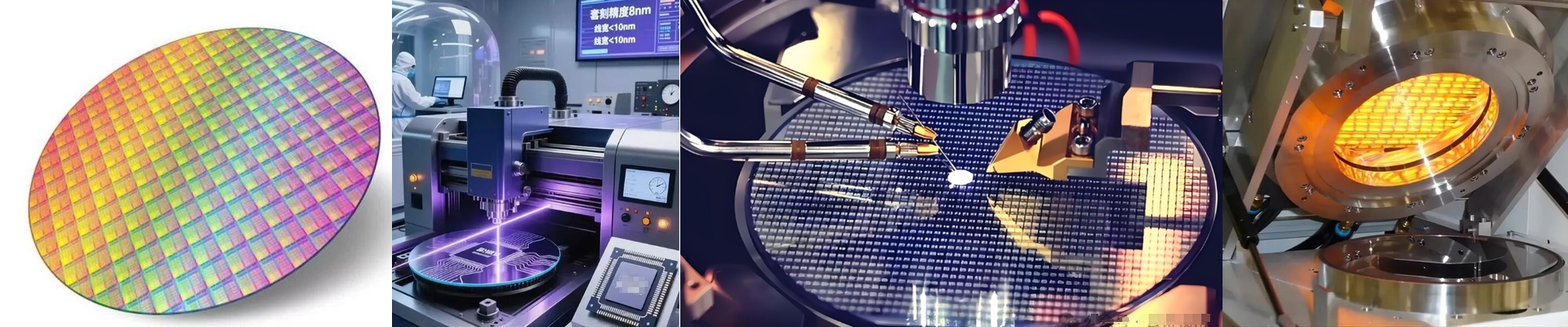
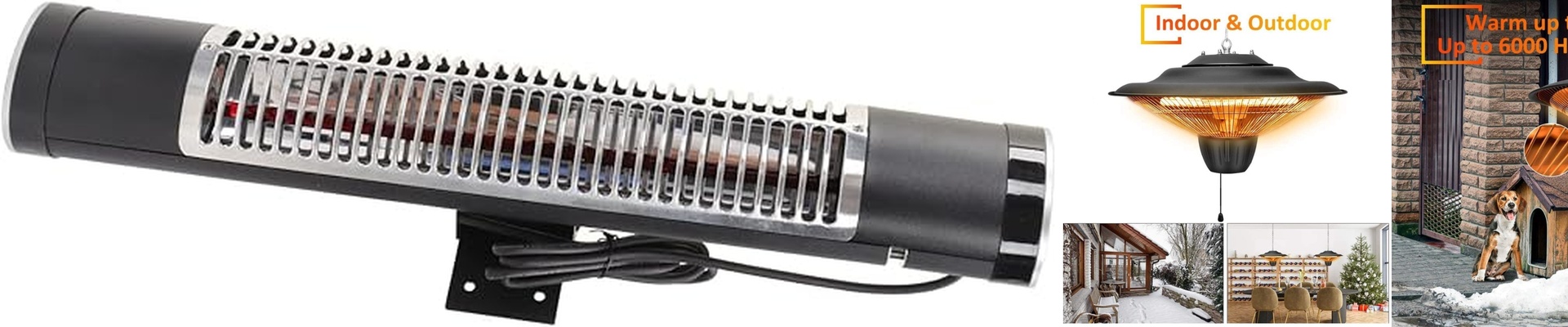
If you’re trying to build a “smart” Fab, you quickly realize that fancy software is useless if your hardware is stuck in the dark ages. Most of the time, the real headache isn’t the heating element itself—it’s the connection point where the power hits the emitter. That’s where ceramic end caps come in.
The problem with metal
Most people start with standard metal caps. They’re cheap and easy. But here’s the thing: high-output IR emitters get punishingly hot. Metal just can’t handle that kind of thermal cycling. Eventually, the heat creeps back toward the power supply and you end up with burnt-out wires and a dead system. We use ceramics because they act as a wall. They block that heat from traveling backward, keeping your electrical terminals cool. When your hardware stays stable, your sensors actually work. You don’t get that annoying signal drift that happens when everything is overheating.
Getting real data
You can’t run a digital production line on a “hunch.” You need a heat map that actually tells the truth. When you switch to ceramic end caps, you’re creating a steady, reliable spot to mount your thermocouples. Instead of the erratic, jumpy data you get with lower-grade parts, you get a clean, linear stream of information. Your control system can finally see exactly what’s happening at the source.
The catch (because there’s always a catch)
Now, ceramics aren’t magic. They’re brittle. If your team is rough with the installation or tries to force a fit, the cap will snap. It’s that simple. You’ve got to make sure your mounting brackets are perfectly aligned. No shortcuts here—if there’s mechanical stress on that ceramic interface, it’s going to crack. But if you get the fit right? You’ve just turned a basic heater into a smart data point. It’s the difference between guessing how hot things are and knowing exactly how many watts you’re pushing.