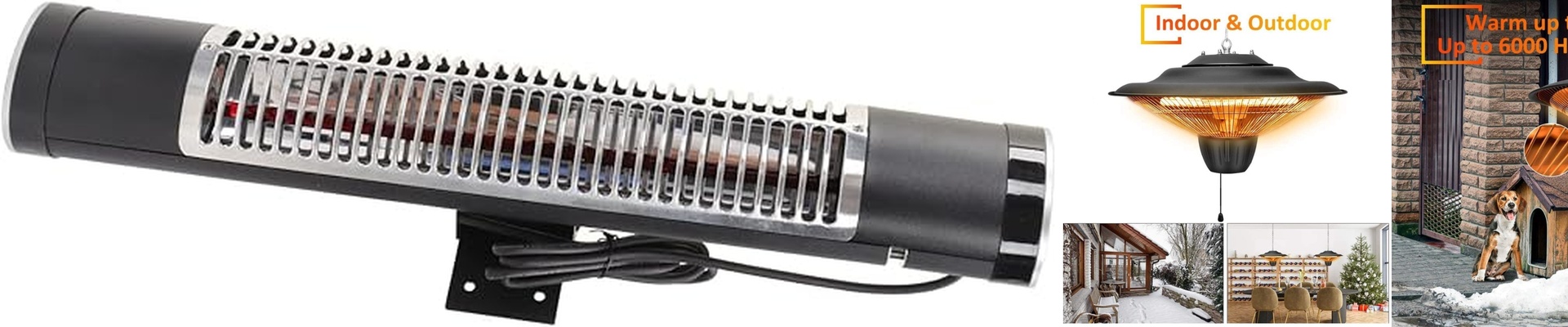
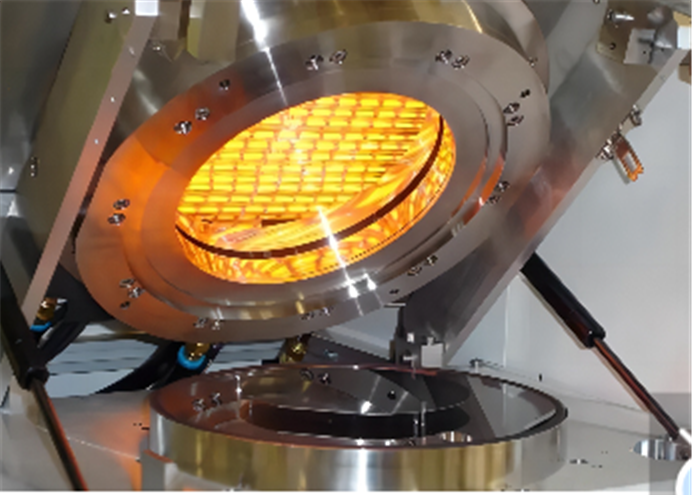
We built these aluminum reflector infrared lamps for the places where you can’t afford downtime—and you definitely can’t cut corners on safety. It’s all about getting serious, focused heat exactly where you need it, when you need it. We pair a high-output IR emitter with a precision-formed aluminum reflector. The result? Heat that hits the mark, without spilling all over the place. Power, voltage, and size: matched to the job. We size these lamps for demanding heating tasks, matching the power and voltage to the load and your control gear. Get the wattage and voltage right, and you get a filament that stays stable, output that stays consistent, and a response you can count on—especially during ramp-up and hold. And when space is tight, the footprint matters. Shorter tubes keep things compact so they slip into tight machine spots. Go longer, and you spread the heat for broader coverage. Built to take the heat. The aluminum reflector is shaped to a tight focal geometry, so more irradiance goes forward and less heat goes wandering off. The surface is protected against oxidation and thermal cycling, so it keeps its reflectance through long shifts—no dulling, no drop-off. The IR tube rides inside a quartz envelope, because quartz can handle rapid temperature swings and serious thermal stress without flinching. For termination, we stick with proven connectors like R7s and SK15. They make solid contact, carry the current safely, and let you swap a lamp fast when you’re out in the field. Where it shines: reliability under load. These lamps are engineered for process heating—think plastics forming, curing, and component drying—where fast heat transfer and repeatability are the whole point. Every unit leaves the factory after 100% dielectric strength and insulation resistance testing. That means we verify the assembly under high-voltage conditions, so weak points get caught before they turn into field failures. Now, here’s the trade-off: packing high wattage into a small space delivers fast heat, but it also means you need proper thermal management in the surrounding chassis. Plan your airflow and mounting accordingly. Do that, and you get a lamp you can wire up, set, and run—without spending your day chasing electrical faults.