
Stop Waiting on Your Oven: Why IR Heating Just Makes Sense
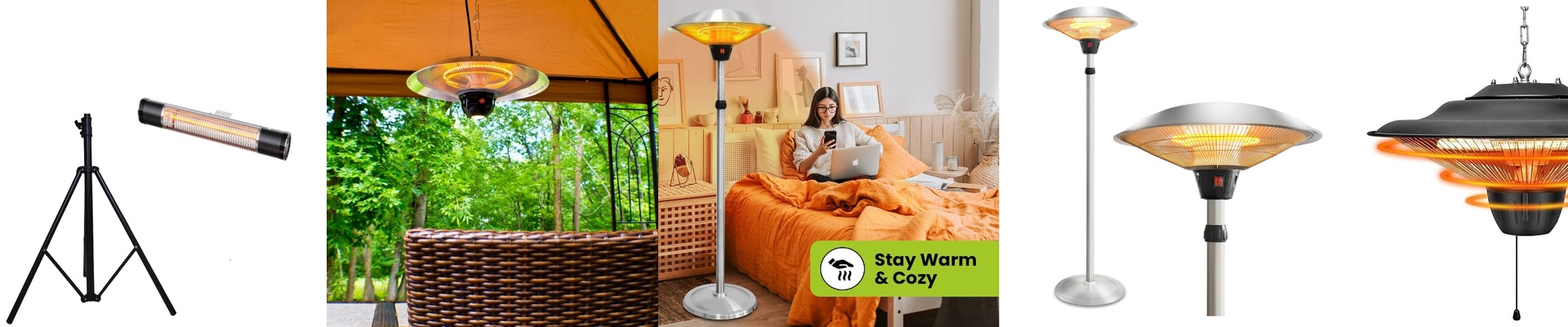
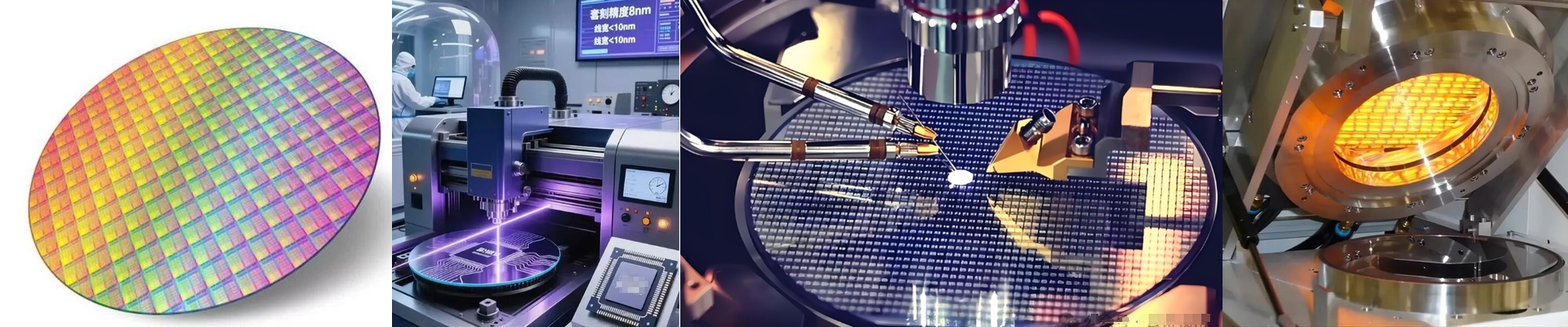
If you’re still relying on hot air circulation for semiconductor processing, you’re basically spending half your day just waiting. Think about how forced air works. You heat the air, the air heats the chamber, and eventually—if you’re lucky—the part actually gets hot. It’s a slow, lagging process. It’s not just inefficient; it’s a massive drain on your time. Getting straight to the point Infrared (IR) lamps change the whole game. Instead of warming up the room, you’re hitting the target directly with short or medium-wave radiation. It’s like the difference between trying to warm up a room with a space heater versus just stepping into the sun. You aren’t wasting energy heating the walls or the machine’s housing. You get an instant thermal response. We’re talking about ramp-up times that drop from minutes to seconds. Cleaning up the shop floor One of the best parts? You can get rid of a lot of the junk. When you switch to IR, you can scrap those bulky blowers, the endless ducting, and the heavy filtration systems that come with hot air. It clears up a ton of space. But, a word of warning: don’t get lazy with your cooling. IR creates intense, concentrated heat. If you don’t have a solid cooling loop for the lamp housings, your chassis is going to take a beating. And if you ignore the ambient heat? You’ll end up warping your jigs, which is a headache nobody wants. The bottom line on throughput At the end of the day, this is all about the clock. In deep processing, any time spent waiting for a chamber to stabilize is just dead air. IR lets you use zoned heating, meaning you can target one specific spot on a wafer without messing with the rest of the assembly. When you slash your heating cycle by 60%, your capacity shoots up. You don’t need to buy more machines or expand the factory. You just stop waiting. It’s simple math: less idling means more units shipping out the door.