
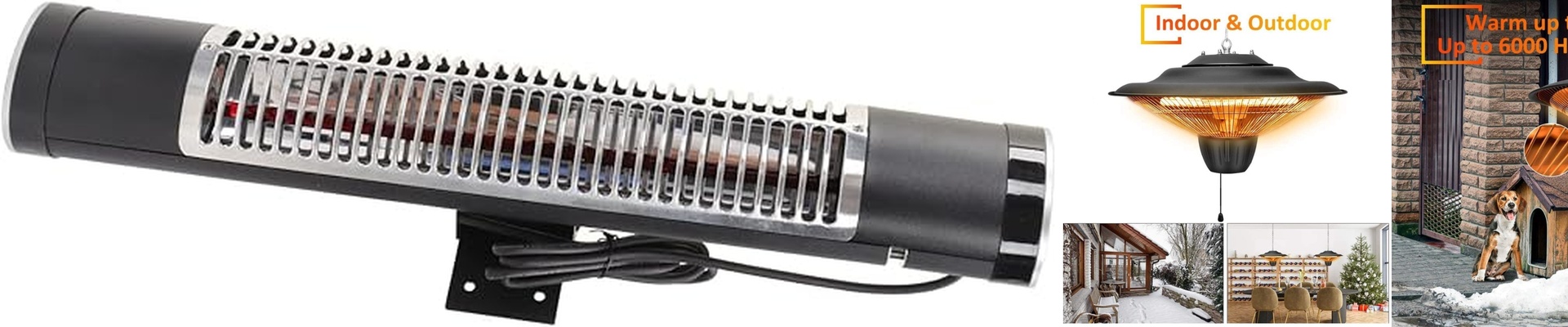




When winter settles in, a cold pet room isn’t just uncomfortable. It quietly stresses your animals, slows circulation, and turns rest into a fitful chore. A standard heater pushes hot air that rises and vanishes, leaving the floor chilly and humidity all over the place. Infrared electric heaters change the physics of warmth. They deliver radiant heat that travels in straight lines, warming surfaces and bodies directly—like the sun—without stirring up dust or drying the air.
What matters technically
For pet spaces, infrared outdoor electric heaters lean on medium-wave quartz elements that emit a gentle, pet-safe spectrum. The payoff is deep, penetrating warmth that supports healthy blood flow and relaxes muscles—especially helpful for older pets or those recovering from a hard day. Many models run off a standard 120V outlet and put out 1,500W of focused heat, enough to blanket a modest outdoor room or enclosed kennel. Look for a sealed IP rating to shrug off splashes, a built-in thermostat for steady comfort, and tip-over protection for peace of mind.
Why it works here
Pets feel warmth where they actually rest: at floor level. Radiant heat from an infrared electric heater warms bedding, joints, and fur on contact, so your pets settle sooner and sleep more soundly. Because the heat is directional and efficient, you avoid the temperature swings you get with forced-air systems, and energy use stays sensible. The spectrum is easy on the eyes, so the room stays calm—ideal for nighttime use and sensitive animals.
Things to know
Infrared heat performs best in sheltered spaces, where drafts are minimal and the beam can land on bedding and walls instead of vanishing into open air. Clear the area around the heater and use the included mounting hardwareto keep it stable and out of reach. Infrared warmth is exceptionally comfortable, but it won’t heat the entire atmosphere like an air heater. Pair it with insulated bedding for the coziest setup, and always follow the manual for placement and maintenance.