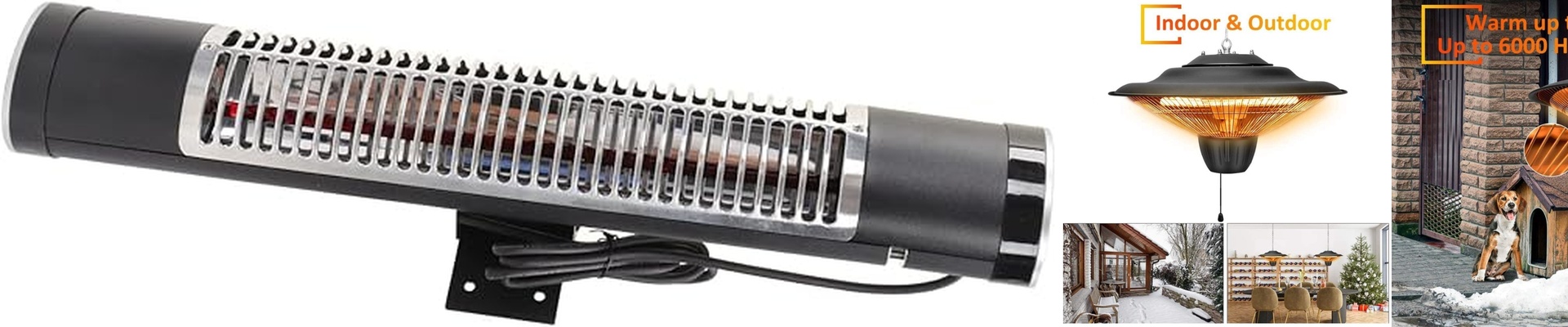
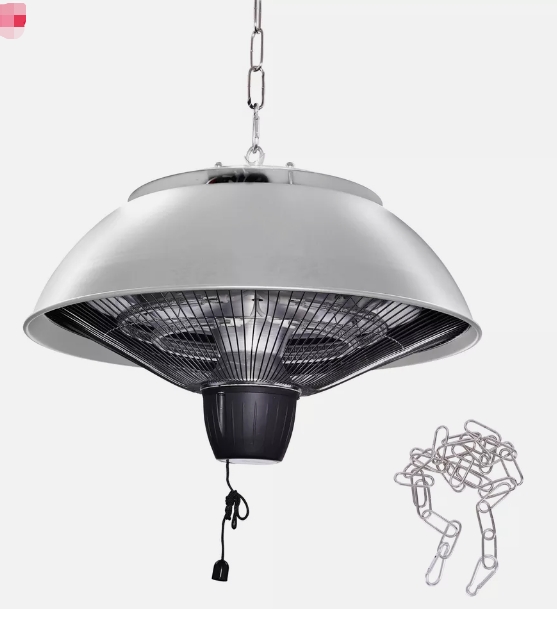
Why we put our bathroom heaters through hell
Let’s be honest: bathrooms are absolute nightmares for electronics. You’ve got thick steam, wild temperature swings, and the constant threat of a stray splash of water. When you see “IP44” on our infrared heaters, it’s not just some technical jargon to make the box look professional. It actually means we’ve made sure that nothing bigger than 1mm can sneak inside, and the unit can take a splash from any angle without giving up the ghost.
The battle against moisture
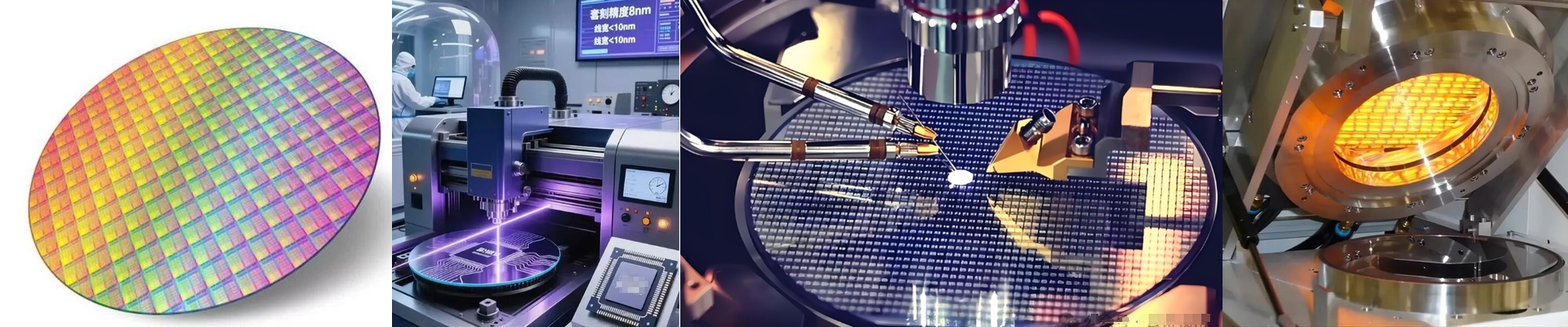
We put every single batch through “damp-heat aging tests.” Sounds fancy, but basically, we’re just trying to break the heater before it ever reaches your house. Here’s the thing: moisture loves to find a way in. Water vapor slips into the housing, and every time the lamp clicks on and off, that vapor turns into liquid. If a seal is weak or the coating is too thin, you get oxidation. That leads to the heater burning out way too soon—or worse, a short circuit. So, we shove these units into high-humidity chambers to simulate years of wear and tear. We’re looking for any sign of insulation breakdown. If a heater can’t survive 48 hours of saturated, oppressive heat without losing its strength, it’s trash. It doesn’t leave the factory.
A tricky balancing act
It’s a bit of a tug-of-war, really. High-wattage lamps get incredibly hot. That heat creates a pressure difference that can actually suck damp air right into the chassis. We have to find the sweet spot: seal it tight enough to keep the steam out, but leave just enough venting so the internal wiring doesn’t melt. Seal it too tight? It overheats. Leave it too loose? The moisture wins. It’s a thin line to walk.
What this means for you
At the end of the day, you just want a heater that works. You don’t want it to quit the second the first cloud of steam hits it. We obsess over the seals and the corrosion resistance of the contacts so you don’t have to. Just make sure your electrician grounds everything properly—because while we’ve made sure the hardware isn’t the weak link, a safe install is still the most important part.