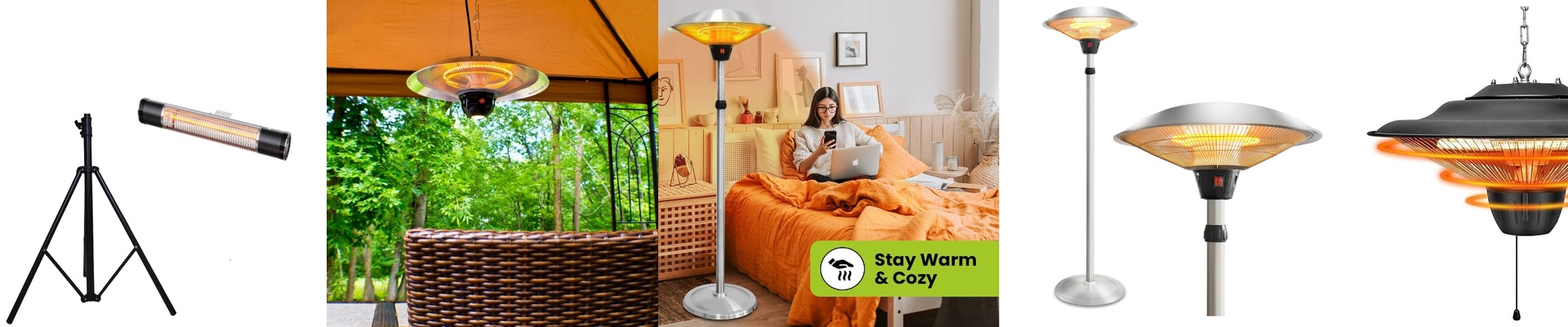
A cold seat at a café table loses customers fast. A drafty platform brings everything to a crawl. In places like transit hubs and outdoor cafés, nobody has time to wait around for a system to warm up. People need heat, and they need it now.
What actually matters under the hood
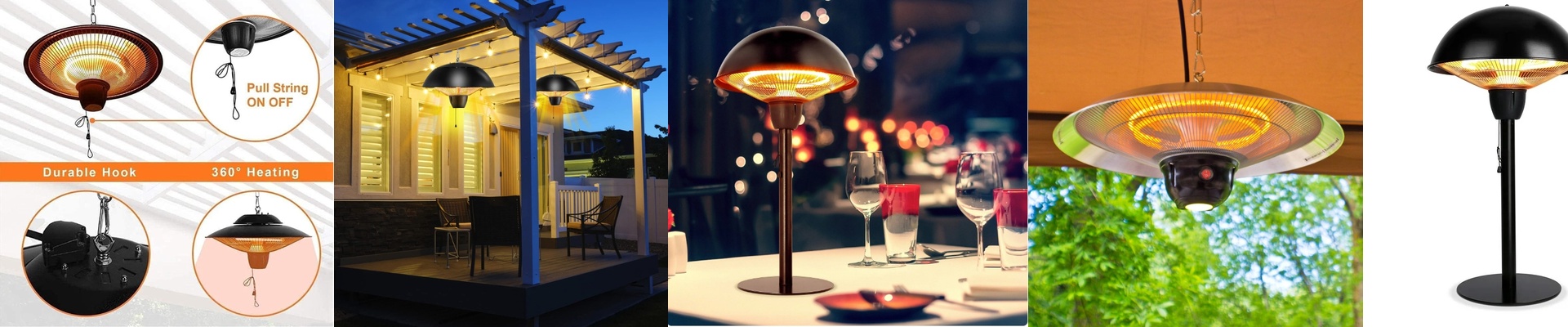
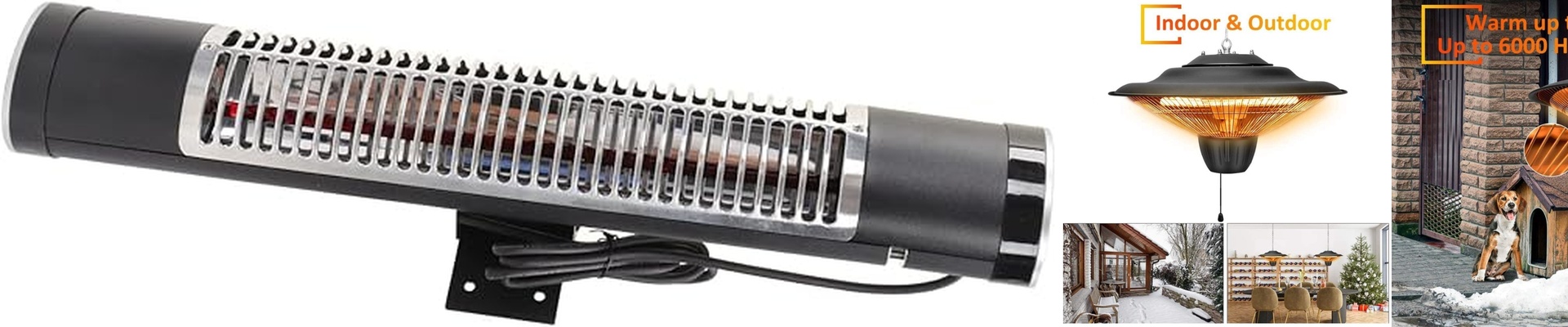
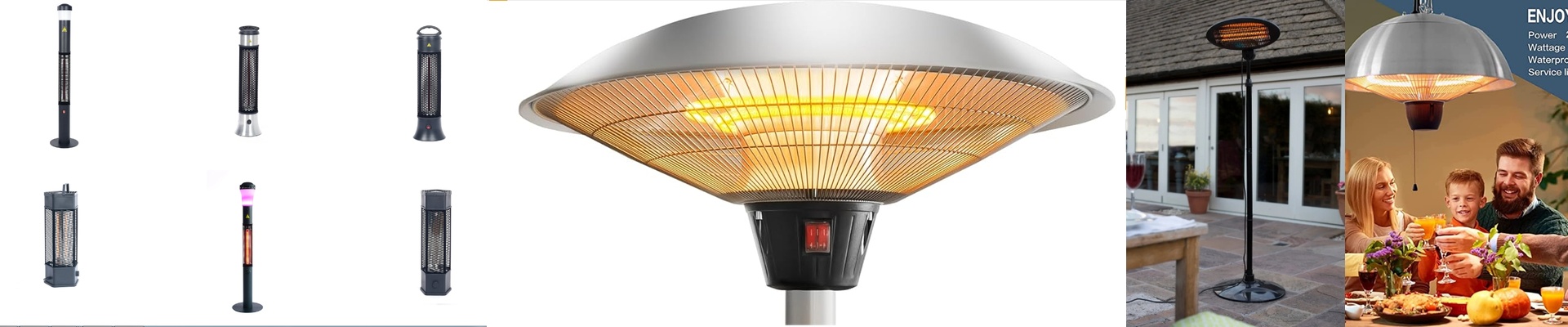
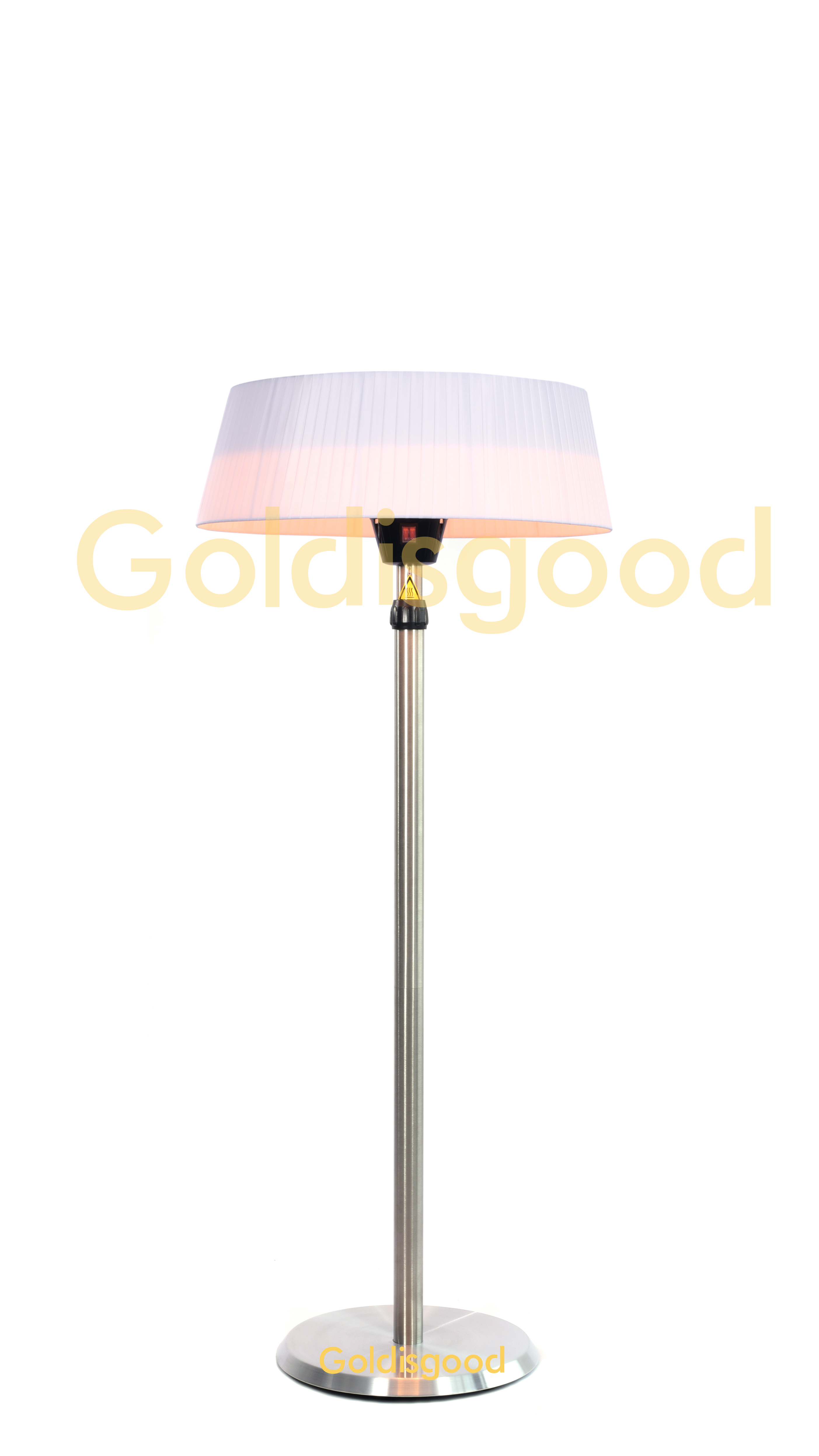
We build our mini electric heaters on short-wave infrared. That means a carbon fiber element inside a quartz tube, pushing out radiant heat that travels through the air without heating it first. It lands on people and objects directly, so the unit comes up to speed in seconds and holds a steady, draft-free feel. Most of these run on standard power—typically 120V—with output options that fit tight spots and high-traffic areas. They’re compact, often under 20 inches tall, and finished in weather-resistant housings with a protective grill. On the safety side, you get tip-over protection and an overheat cut-off. Many models also carry an IP rating for outdoor use, so rain and wind don’t turn them into a headache.
Why this works where the action is
In a coffee shop, guests settle in fast once infrared warmth hits the tables and chairs. In a train station, people stay comfortable while they wait, which keeps lines moving and cuts down on fatigue. Because the heat is directional, you can target seating zones, ticket areas, and entryways without trying to heat the whole building. Energy use stays sensible, too. Infrared focuses on people, not empty air, so you don’t have to crank up a big HVAC every time a door opens. And the units run quietly, which matters when conversation and service are part of the mix.
The details you can’t skip
Plan for clearance. Infrared heaters throw strong warmth in the beam, so keep the unit at a safe distance from people, fabrics, and any combustible materials—follow the label and local codes. Placement makes or breaks it. Mount the heater above and slightly in front of the area you want to warm, angled to cover seats or standing zones. Outdoors in windy spots, putting it behind a windbreak keeps the beam effective. And check the circuit. Even a mini heater draws real power, so it needs a dedicated outlet and stable wiring. If you’re adding several units, have a licensed electrician confirm the load is balanced and the setup is safe for day-to-day use.