

Keeping Your IR Lamps from Blowing Things Up in the Fab
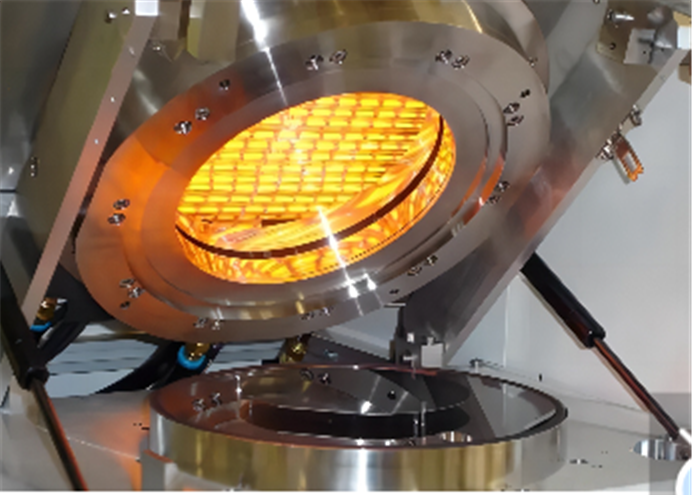
Let’s be honest: running IR heaters in a chemical cleaning area is a bit like playing with fire. You’ve got flammable vapors and corrosive chemicals floating around, and your equipment is sitting right in the middle of it. In a semiconductor fab, one tiny spark or a hairline crack in a quartz envelope isn’t just a “technical glitch”—it’s a disaster. That’s why we stopped messing around with open-lamp designs and moved to sealed encapsulation.
Locking Out the Bad Stuff
Here is the thing about standard lamps: the wire leads are exposed. That makes them absolute magnets for arcing. To fix that, we use a dual-barrier setup. We wrap everything in a hermetically sealed quartz envelope, then add a chemical-resistant outer shield. It acts like a suit of armor, stopping corrosive fumes from eating through the support structure. We also plug the connection points with high-temperature fluoropolymer seals. No gas gets in. Period.
Managing the Heat
In a Clean room, you want the heat on your substrate, not baking the air around it. We tweak the wattage and wavelength so you get a fast ramp-up without turning the enclosure into an oven. It gives you a lot of control, but there’s a catch. Because the seals are so tight, heat stays trapped inside the lamp housing.**You have to make sure your exhaust system can actually handle that buildup.**If you don’t, you’re just asking for your filaments to burn out way too early.
Dropping Them Into Explosive Zones
We built these to be drop-in replacements for your old IR arrays. They aren’t a headache to install. By using explosion-proof housings and reinforced cabling, we take the “ignition risk” off the table. We even route the wiring through conductive conduits to kill any static buildup before it starts. It’s a great way to get the high heat density you need for chemical drying without worrying about breaking safety protocols. Just a heads-up: if you’re upgrading an old line,double-check your voltage capacitybefore you plug these high-output units in. You don’t want to trip a breaker on day one.