


Getting the Most Out of Your IR Energy
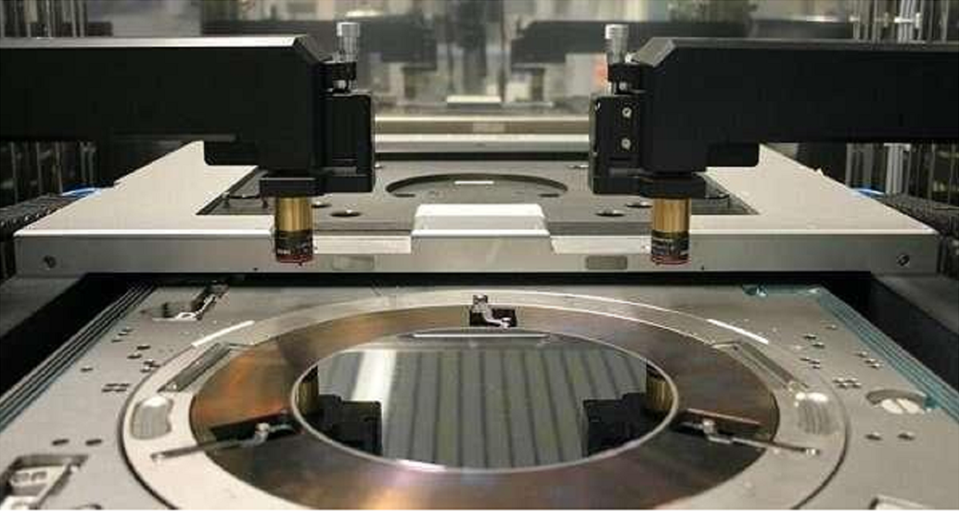
If you’re working on a clean room bench, wasting power isn’t just inefficient—it’s a headache. When you’re heating up silicon wafers, you don’t just need “more heat.” You need that energy going exactly where it belongs. The problem is that standard aluminum reflectors are kind of sponges; they soak up too much energy. That’s why we use gold-coated reflectors instead. Why gold? It comes down to how gold handles the infrared spectrum. It reflects way more than aluminum or stainless steel ever could. By putting a thin layer of gold on the lamp housing, we stop the reflector from stealing the heat. Instead, the IR radiation is pushed straight forward. You get more watts hitting the wafer and way less heat bleeding into your bench frame. It’s a much cleaner way to work. Handling the heat These lamps are built for serious intensity. When you cram that much wattage into a small space, the heat density gets wild. It’s great for getting your temperatures up fast, but it puts a real strain on your gear. Just make sure your wiring can actually handle the current. And please, double-check your cooling fans. If they aren’t up to the task, you’re going to burn out the lamp ends. Keeping things running We made these to be simple drop-in replacements, but the magic is all in the geometry. Here’s the catch: gold is great, but it’s not invincible. If the coating gets scratched or gunked up with clean room chemicals, your thermal uniformity goes out the window. You’ll start seeing hot spots on your wafers, and that’s where the trouble starts. Keep those reflectors clean. I’d also suggest using a dedicated IR power supply so a random voltage spike doesn’t pop your filament. If you’re running these 24/7, take a look at them every few months. Gold lasts a long time, but surface buildup will kill your efficiency every single time.