
In a gallery or museum, the wrong heat source isn’t just uncomfortable—it can quietly ruin what you’re there to protect. Forced-air systems kick up dust, swing temperatures, and shift humidity in ways that stress paper, canvas, pigments, and wood. Precision is the name of the game: warmth for people, without touching the collection.
What matters, technically
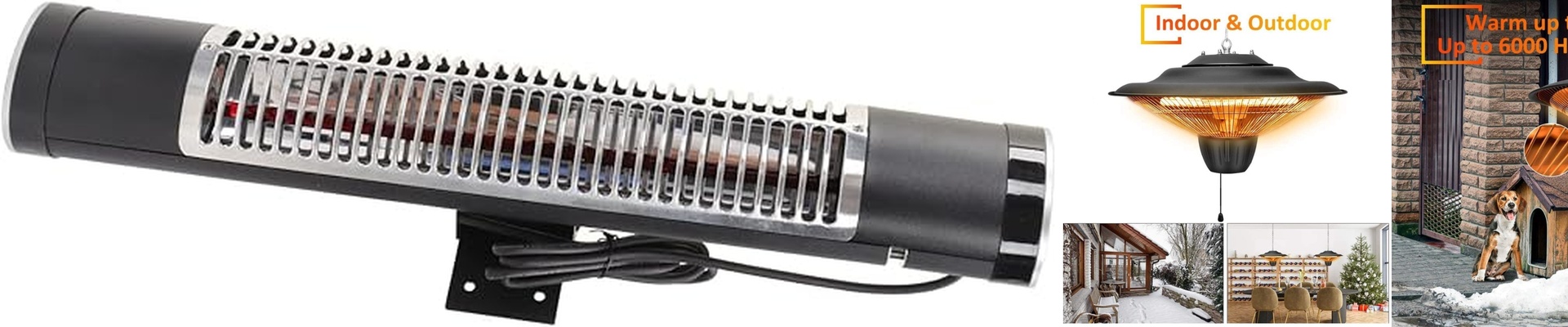
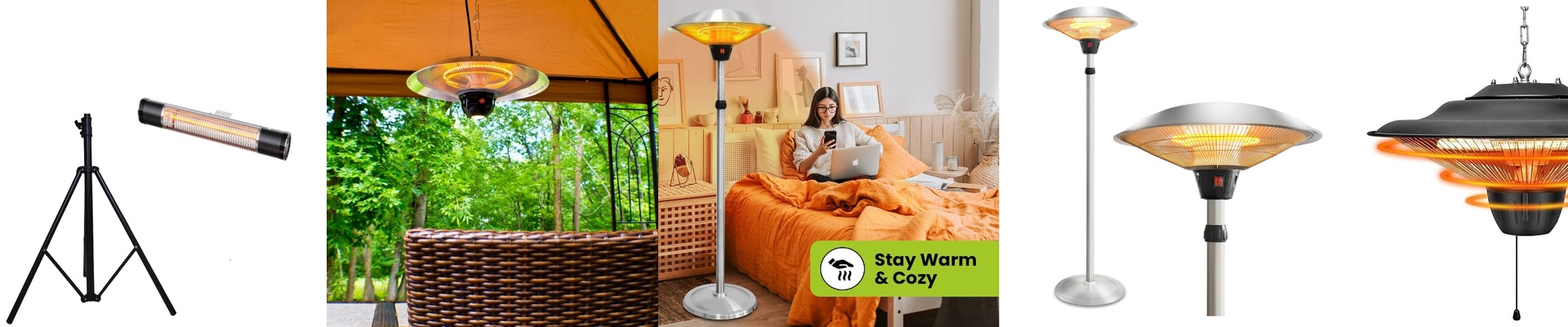
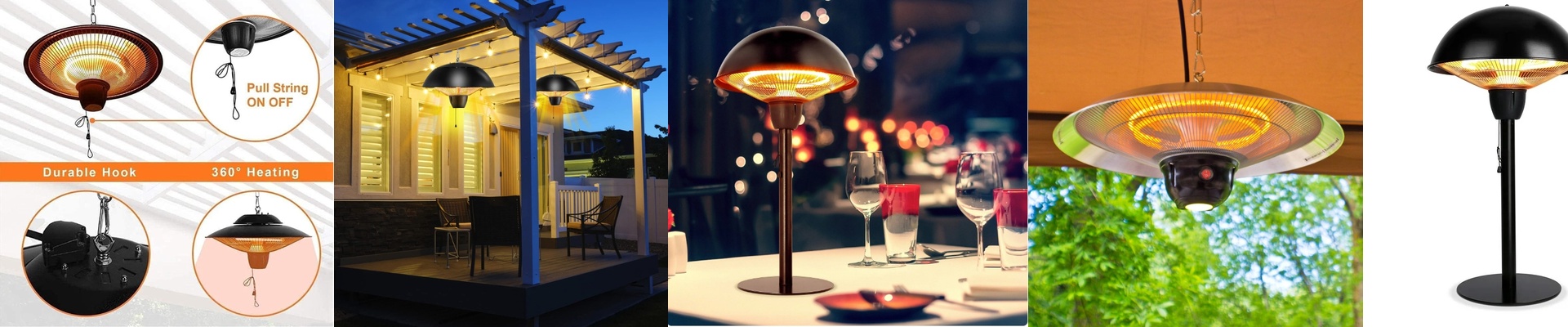
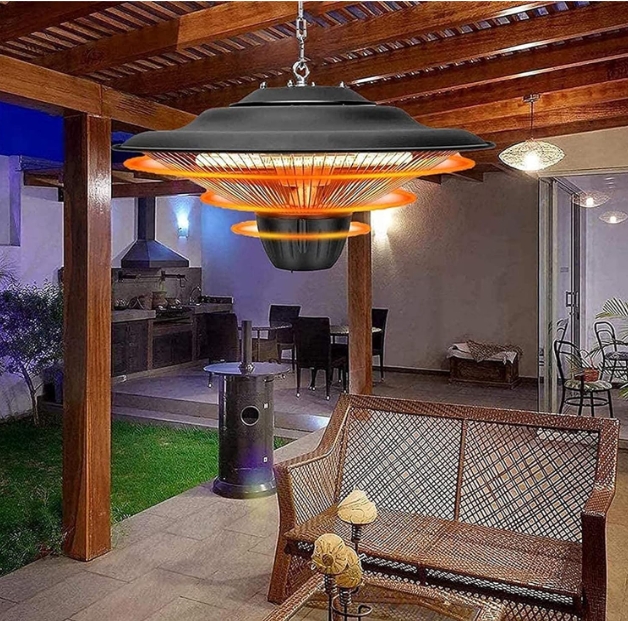
Electric infrared heaters work by radiation, not convection. They don’t heat the air; they send energy outward, warming people, floors, and surfaces directly—like the sun, but without the UV. We build these units around stable, low-intensity radiant output, typically using carbon fiber or quartz elements that deliver steady longwave heat. The payoff is controllable warmth that responds quickly when occupancy changes.
Why this fits the space
Galleries and museums need heat that’s protective and predictable. Infrared warmth stays local, so the air stays still—no drafts, no dust circulating, no sudden spikes that stress delicate materials. Because the heat is directional, you can focus it where visitors gather while keeping microclimates around sensitive pieces more stable. Fewer conservation headaches, steadier conditions for climate-controlled displays, and a visitor experience that feels even and natural.
The practical details
Infrared heating performs best with clear sightlines and thoughtful placement. It warms what it “sees,” so obstructions create uneven spots, and ceiling height affects coverage. Most units need a dedicated electrical circuit. For safety and code compliance, I recommend professional installation with the right thermostat and overheat protection. The heaters themselves run hot to the touch, so positioning and clearance matter. Plan the layout up front, then trust the quiet confidence of heat that comforts people without crowding the collection.