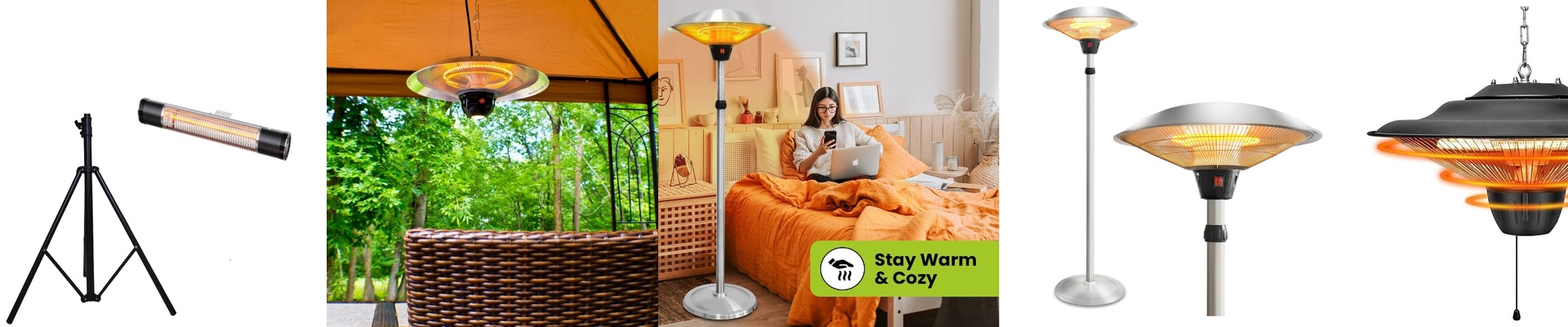
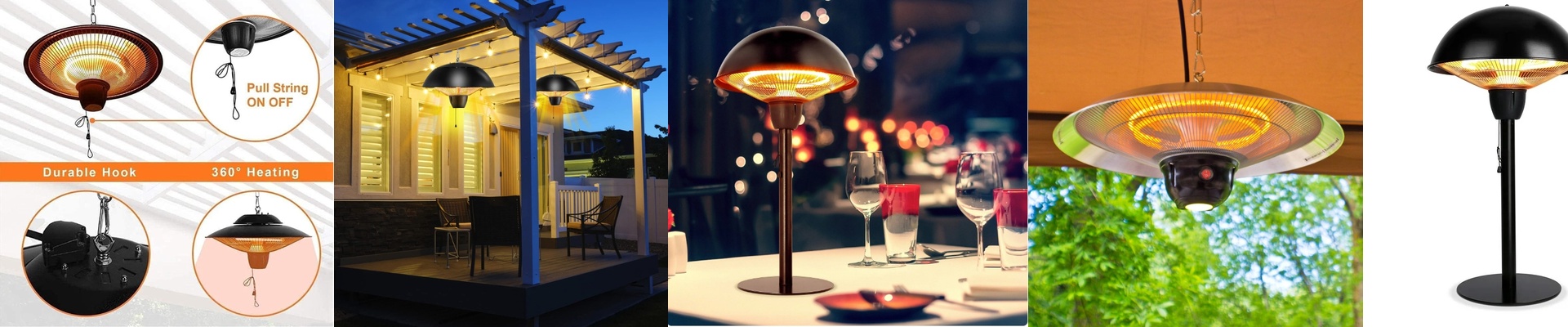
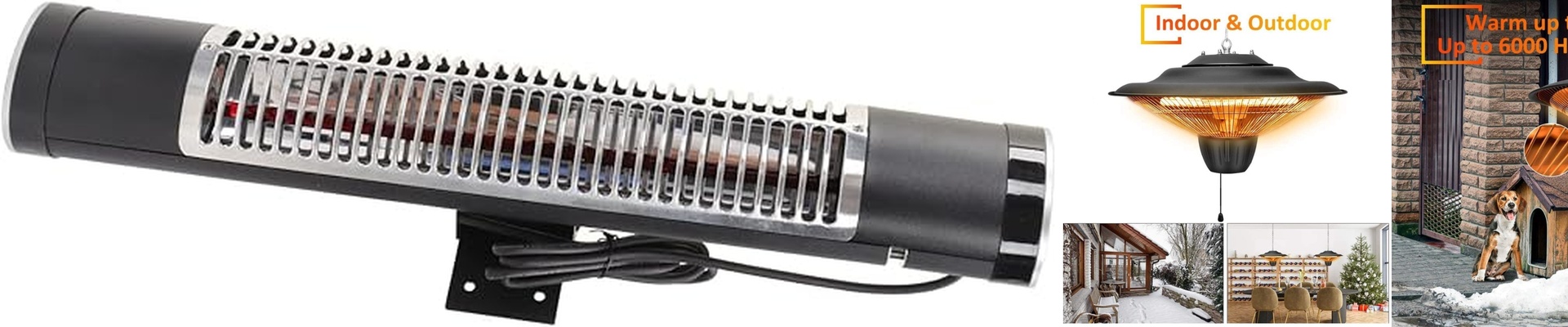
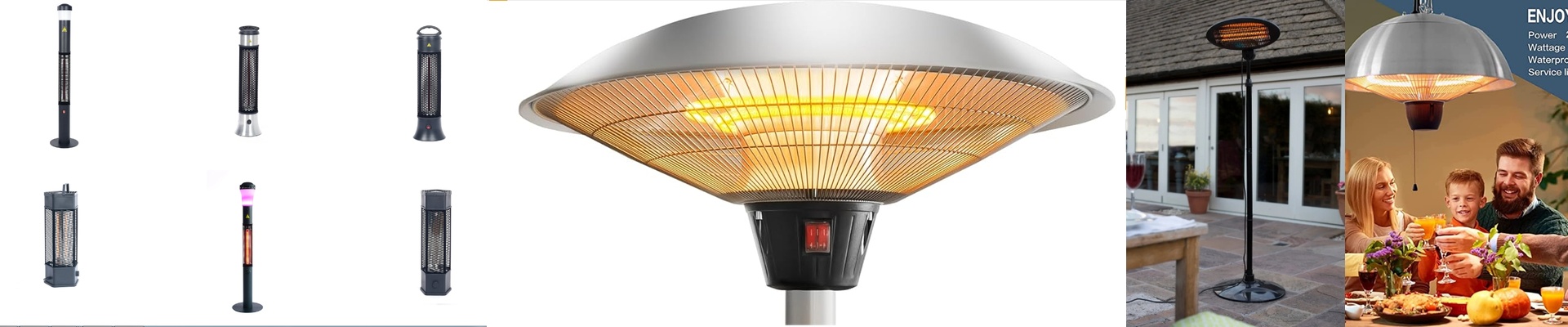

Cold corners and drafty rooms shrink a space faster than you’d think. Standard convection heaters just move air around, warming the ceiling while your feet stay ice-cold. You end up with uneven comfort and an energy bill that climbs for the privilege. Switch to a wall-mounted indoor infrared heater, and you change how the room behaves. It sends warmth straight to where you are, turning the space into a spot you actually want to be in.
What matters under the hood
Infrared heaters run on radiant heat, not air movement. Inside, a carbon fiber element or quartz tube heats up fast, then releases long-wave infrared energy that travels in a straight line. You feel it the instant you step into the beam—much like sunlight on your skin. This is directed heat, period. Many models give you focused reflectors and adjustable angle brackets, so you can put the beam on seating areas, workspaces, or entryways instead of wasting it on empty square footage. A thermostat keeps output steady, and tip-over protection adds a practical safety net.
Why it clicks in real rooms
In a living room, den, or workshop, you don’t need the whole volume of air heated to feel good. With directed warmth, the heat shows up when you do—no waiting 15 minutes for the air to churn. Because the energy targets people and surfaces, you’re not throwing watts at unoccupied corners. The room feels cozy faster, with fewer temperature swings and lower operating costs. And you get that gentle, muscle-soothing feel of radiant warmth, which turns drafty evenings into something restorative.
The practical stuff you need to get right
Wall-mounted infrared heaters need a dedicated outlet and solid mounting hardware. Placement matters: aim the beam where you actually sit or work, and keep clearances clear. Most indoor units are built for dry conditions, so check the IP rating and keep them out of direct moisture. Warmth is immediate, but coverage is directional—plan for one unit per key zone, rather than expecting a single heater to cover a large room.