Why we put our bathroom heaters through “the torture chamber”
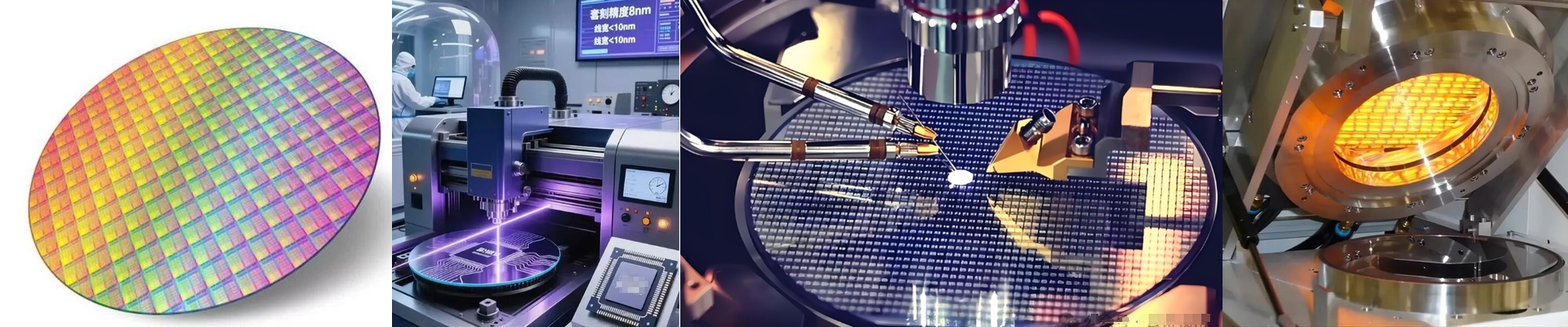
Let’s be honest: bathrooms are a nightmare for electronics. You’ve got thick steam, random water splashes, and temperature swings that would make a thermometer dizzy. We build our replacement infrared elements to meet IP65 standards, but here’s the thing—a rating on a piece of paper doesn’t actually keep a customer’s bathroom dry. That’s why we don’t just trust the specs. We put every single batch through damp-heat aging tests. Basically, we try to break them before they ever leave the warehouse.
The battle against moisture
When you’re dealing with high voltage in a steamy room, moisture is the enemy. It’s sneaky. Water vapor finds its way through the tiniest gaps in a seal over time. If that moisture hits the internal electrodes or the quartz seal, you’re looking at leakage currents. In a high-wattage lamp, that usually means the bulb burns out way too early. Or, in the worst-case scenario, it shorts out. We simulate years of wear and tear by cycling the lamps through extreme heat and humidity. It’s a stress test. We want the weak seals and porous materials to fail in our lab, not in your customer’s ceiling.
Heat, steam, and “creep”
Quartz glass is great with heat, but it hates being pushed around. Imagine a lamp jumping from freezing cold to 500°C+ while surrounded by thick steam. That creates a massive amount of internal stress. Our aging tests make sure the seal between the lamp and the housing doesn’t just crack under that pressure. We also watch out for something called “creep.” It’s that slow, annoying deformation of gaskets and adhesives. If a seal creeps, your IP65 rating is gone. Simple as that.
Finding the sweet spot
Here is the tricky part: tight seals are great for keeping water out, but they’re terrible for letting heat escape. A fully sealed IP65 unit actually runs hotter inside than a lamp sitting in open air. That means the fixture’s heat sink has to be spot on. If the housing can’t dump the heat fast enough, the internal wiring gets brittle and snaps—regardless of how waterproof the seal is. We spend a lot of time testing this balance. We make sure the lamp stays protected without accidentally cooking itself from the inside out.