Stop Heating Your Equipment Instead of Your Wafers
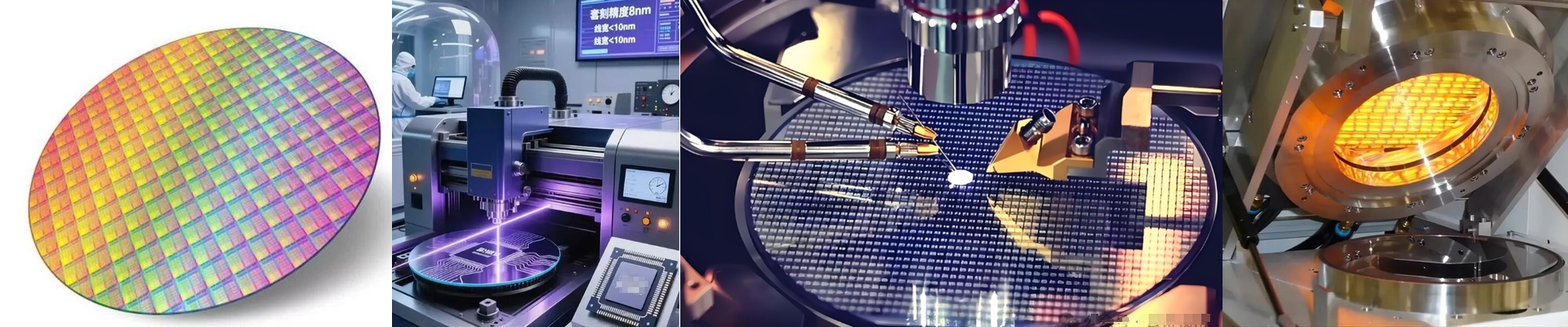
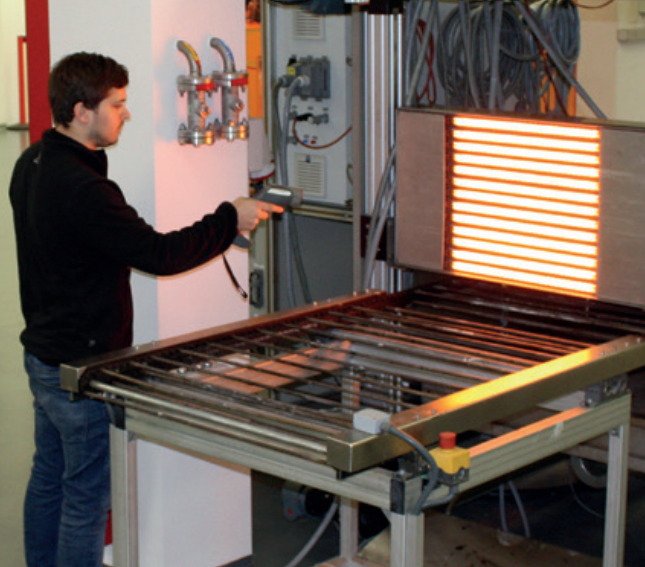
In a semiconductor FAB, heating the wrong thing isn’t just inefficient—it’s a liability. If you’re using standard radiant heaters, you know the struggle. Heat just… scatters. It goes everywhere. Before you know it, the inner walls of your expensive machinery are soaking up all that energy. The chassis starts overheating, and suddenly your operators are dealing with safety hazards they shouldn’t have to worry about. We deal with this by using directional infrared (IR) curing lamps. The logic is pretty simple. Most lamps throw heat in a 360-degree circle. In a tight FAB setup, that wasted energy basically turns your machine casing into a giant heat sink. Our IR lamps are different. We use specific reflectors and wavelength tuning to push that thermal energy into one controlled beam. By tightening the angle, the heat actually hits the wafer or substrate. The walls? They stay out of the equation. Now, there’s a trade-off you should know about. The great news is that you get way more heat density exactly where you need it, without turning the rest of the chamber into an oven. It’s a much safer way to work. But here’s the catch: you have to be obsessed with your focal point. Because the energy is so concentrated, a tiny misalignment in the lamp bracket can shift the hot spot. If it moves, you risk damaging your material. Your mounting jigs need to be rock solid. If the lamp vibrates or shifts even a few millimeters, your thermal profile is gone. Getting it onto the shop floor For most curing stations, swapping these in is a breeze. We spend a lot of time looking at the thermal footprint. We want to make sure the lamp isn’t baking your wiring harness while it works. When you stop wasting heat, a few things happen. Your electricity bill drops. The skin of the equipment stays cool to the touch. And maybe the best part? You can stop relying on those massive, noisy cooling fans or expensive heat shields just to keep the machine from melting down.