
Cutting Carbon in the Fab: Why UHP Infrared Lamps Actually Work
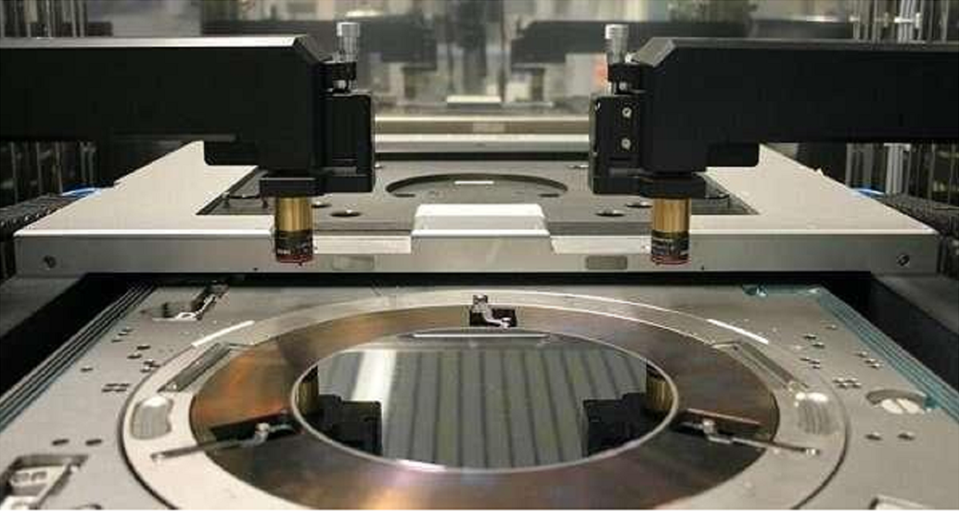
If you’re running a semi-fab, you know the pressure to hit those carbon neutrality goals is real. It’s not just a corporate checkbox; it’s a massive energy headache. A huge chunk of that waste is hiding in your thermal processing. For years, we’ve relied on legacy resistive heating. The problem? It’s blunt. You end up heating the entire chamber wall just to get the wafer up to temp. It’s like turning on every heater in your house just to warm up a single slice of pizza. That’s why we moved to Ultra High Purity (UHP) infrared lamps. Instead of heating the air and the walls, these target the wafer directly. Here is the secret sauce. These lamps use short-wave infrared radiation. While convection is slow and relies on gas moving around, these quartz tubes shoot photons that hit the wafer surface instantly. We build them for high power density, which means your ramp-up times are incredibly fast. When you aren’t idling at high temperatures for ages, your kWh per wafer drops. It’s a win for the planet and a win for the power bill. But you can’t just throw any lamp in there. In a UHP environment, “outgassing” is the enemy. One tiny impurity and your whole batch is trash. We use synthetic fused silica quartz with very low hydroxyl (OH) content to keep metallic impurities from migrating into the silicon. We clean these envelopes down to sub-ppb levels. If you try to save a few bucks with a standard industrial lamp, you’ll kill your yield. Plain and simple. Now, there is a trade-off. Because these lamps pack so much punch, you’re dealing with a much higher heat flux. Your carbon footprint shrinks, but your cooling manifolds have to work harder. You’ll need to make sure your chilled water loops can handle those localized heat spikes near the lamp housing. The good news? We designed these to be drop-in replacements for your existing CVD or annealing tools. No need to rip everything out. By tightening that thermal window and slashing the warm-up time, you lower the energy draw of the entire factory. It’s a straightforward way to go green without slowing down your throughput.