
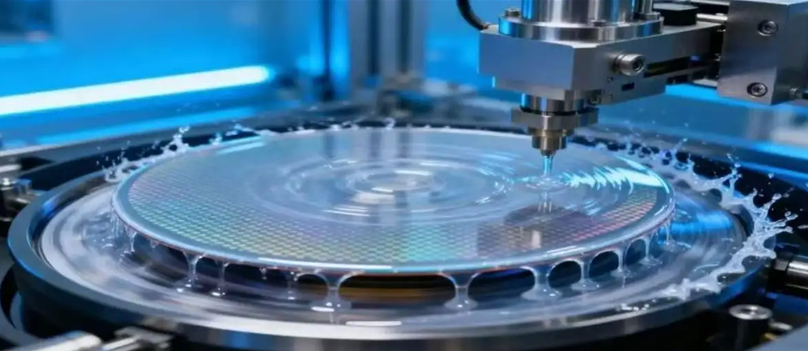
Vacuum IR vs. Forced Air: Which one actually moves the needle?
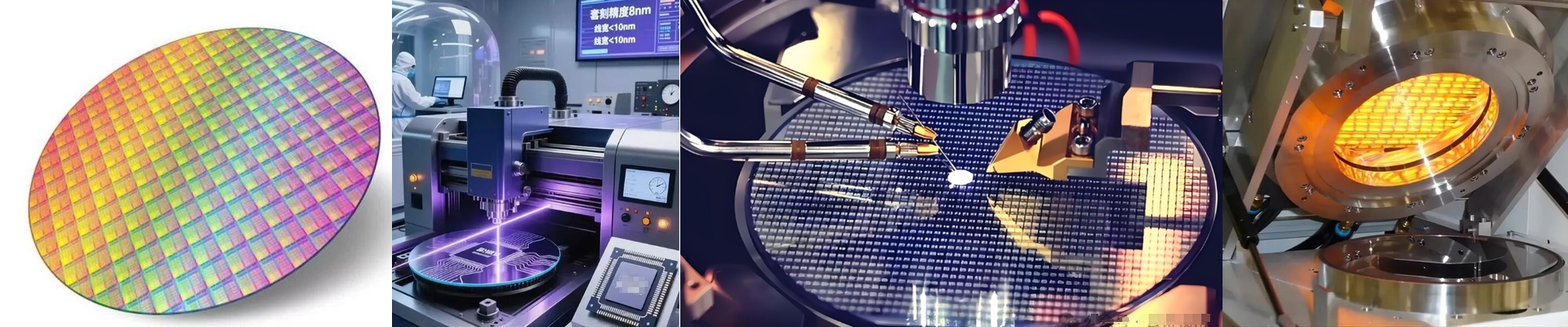
If you’re currently picking out a vacuum chamber for semiconductor work, you’re basically staring at a choice of how to move energy. A lot of people start with the idea of hot air circulation. But here’s the problem: forced air relies on convection. And in a vacuum? Convection just stops working. You can’t push air to move heat when there’s no air to push. That’s where IR heating comes in. Instead of fighting the vacuum, it uses electromagnetic radiation to beam energy straight onto the wafer. The hidden cost of waiting Think about the clock. With hot air, you have to wait for the entire chamber to warm up before your workpiece even gets close to the target temperature. It’s a slog. IR heaters are different. They hit those numbers in seconds. When you’re doing deep processing and need to cycle temperatures quickly, that time difference is huge. You stop wasting minutes heating up empty space and start actually processing your batch. Saving space on the floor There’s also the physical side of things. IR lamps let you keep the footprint small. You can ditch the bulky blowers and the messy ducting that usually clutters up a vacuum seal. We usually set these up in arrays. It keeps the heat spread evenly across the wafer and gives you a lot more control over exactly how much heat is hitting the surface. The catch (because there’s always one) Now, high-density IR isn’t a magic fix. It’s powerful, and that power has to go somewhere. If you don’t get your water-cooling jackets right, that radiation will start soaking into your chamber walls. If that happens, you’re looking at warped geometry or fried sensors. It’s a trade-off. You get rid of the sluggishness of air, but you have to be much more disciplined about how you manage the heat. For anyone trying to push more throughput through their line, IR is usually the way to go. It kills the bottleneck. You stop staring at a timer waiting for the air to warm up and just get to the silicon.