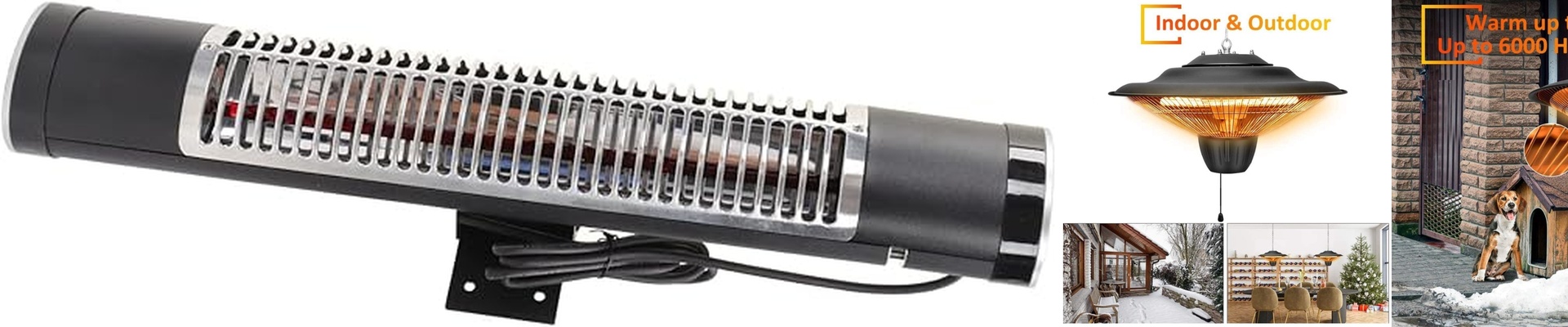
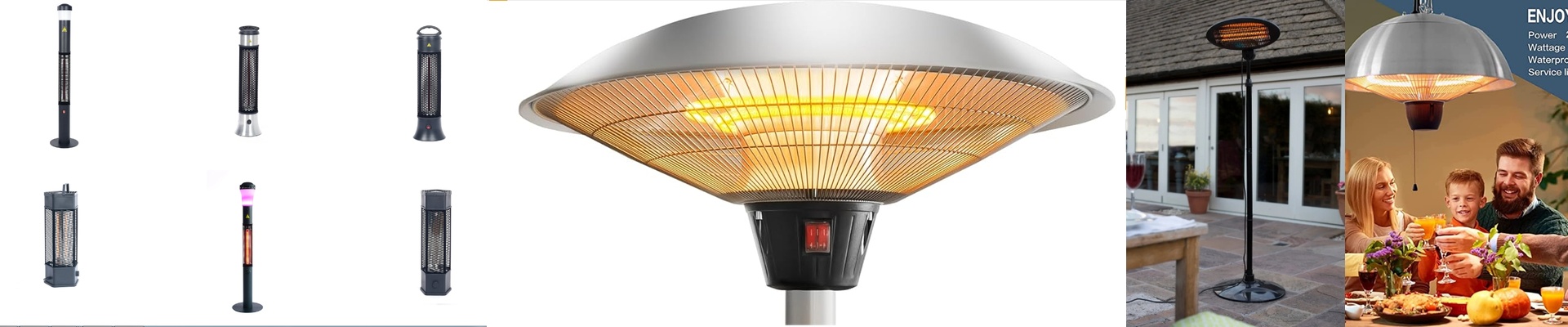
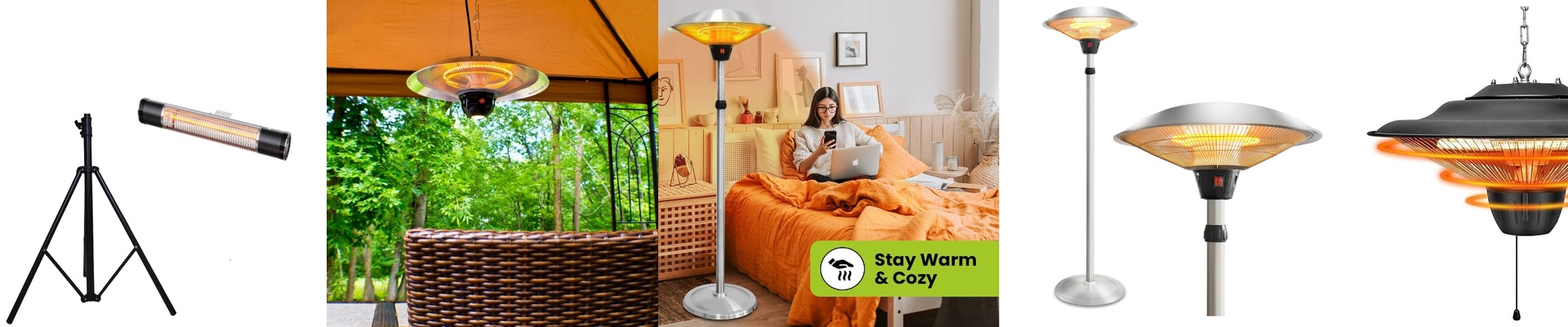
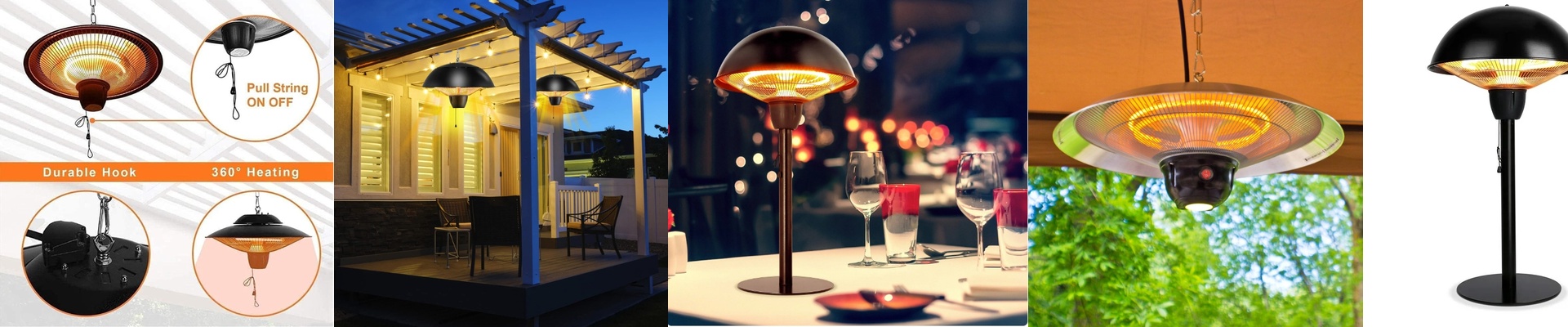

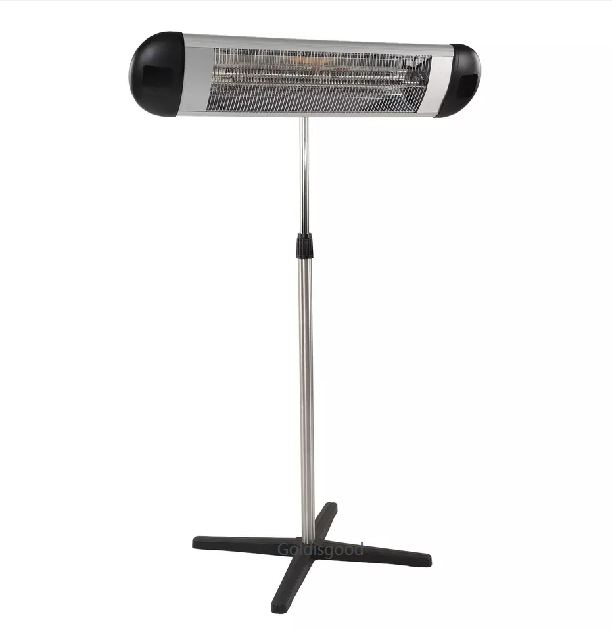
Putting a 1500W infrared heater in a bathroom or a gazebo sounds simple, but it’s actually a bit of a battle. You’re dealing with constant steam and moisture, and as we all know, water and electricity are a nightmare pairing. One tiny gap in the insulation and you’re looking at a short circuit or a ground fault. That’s why we obsessed over the isolation. We wanted to make sure these units stay electrically sealed, even when the air is practically liquid. Stopping the soak Here’s the thing: steam is sneaky. It gets into standard housings without you even noticing. To stop that, we used IP-rated enclosures and heavy-duty sealed gaskets. But there’s another problem. That 1500W element gets incredibly hot, while the outside casing stays cooler. That temperature difference can actually cause condensation to form inside the unit. To fight that, we coated the internal wiring with hydrophobic materials and potted every single terminal in high-temp silicone or epoxy. It’s basically an insurance policy against moisture. Keeping it safe We chose insulation that can handle voltage spikes without flinching. The real secret is the barrier between the live heating element and the chassis. We used ceramic insulators because they don’t soak up water like a sponge. Now, a quick heads-up: we’ve built the hardware to be rock-solid, but you’ve got to do your part. If you don’t wire this into a GFCI (Ground Fault Circuit Interrupter), you’re taking a gamble. The gear is safe, but the installation has to be too. The heat balance It’s a tricky trade-off. High-wattage lamps need to breathe, but if we leave openings for air, water gets in. Our fix? Breathable, water-resistant membranes. They act like a one-way street—letting the heat escape while blocking every single droplet of water. One last thing: the casing will get hot. Really hot. That’s just what happens when you’re pushing 1500W. Just double-check that your ceiling material can handle the heat without scorching.