Why we put our bathroom lamps through “torture tests”
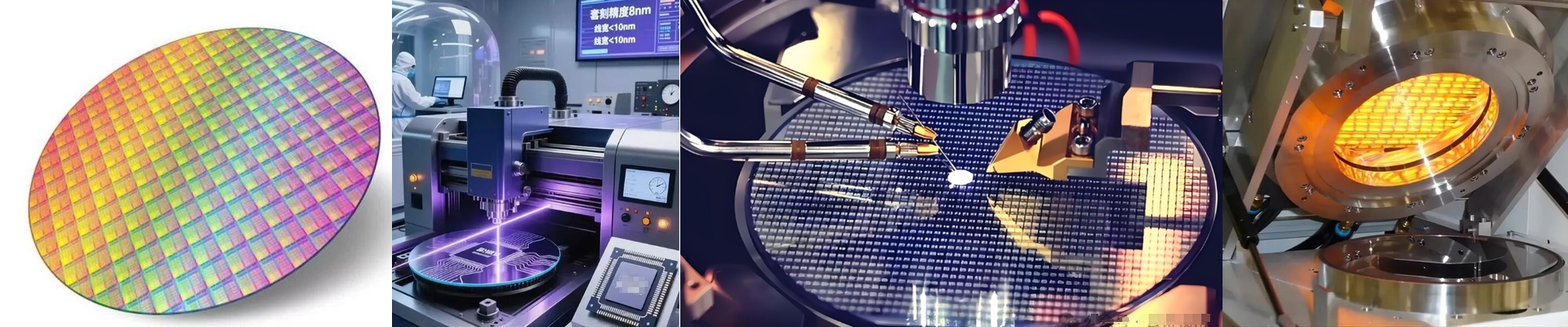
Let’s be honest: bathrooms are absolute nightmares for electronics. You’ve got thick steam, constant humidity, and those wild temperature swings when you jump in a hot shower. If a lamp isn’t built for that kind of chaos, the seal gives way, moisture hits the filament, and the whole thing pops. Just like that, your expensive lamp is a paperweight in a few weeks. We aren’t interested in guessing how long our lamps last. Instead, we try to break them in the lab first. The battle against moisture Most of these infrared lamps use a quartz tube sealed at the ends. It sounds simple, but water vapor is sneaky. It finds the tiniest gaps in the housing or the seals. Once that moisture gets inside and hits a red-hot tungsten filament? It’s game over. The filament thins out, snaps, and the light goes dark. That’s why we run “damp-heat” tests. We basically trap the lamps in a cycle of extreme heat and humidity to find those leak points before the product ever reaches your house. How we actually test them We use chambers that feel like a sauna on steroids. We flip the power on and off repeatedly, which makes the materials expand and shrink. Think of it like the lamp is “breathing.” This pulling and pushing action sucks moist air deep into the internals. If the sealant is cheap or the connector isn’t just right, the lamp fails. We’re looking for any sign of rust on the contacts or tiny cracks in the quartz. It’s a brutal stress test, but it works. Finding the sweet spot Here’s the tricky part: you can’t just seal everything airtight. If the seal is too tight, internal gases get trapped, which messes with the light quality. Plus, the lamp could actually overheat its own housing. It’s a balancing act. We tweak the seal density so the steam stays out, but the lamp can still breathe. The result is a lamp that should last you thousands of hours. Just do us a favor—make sure your bathroom fan actually works. If there’s zero airflow in your room, even the toughest lamp will eventually struggle with corrosion on the external wiring.