
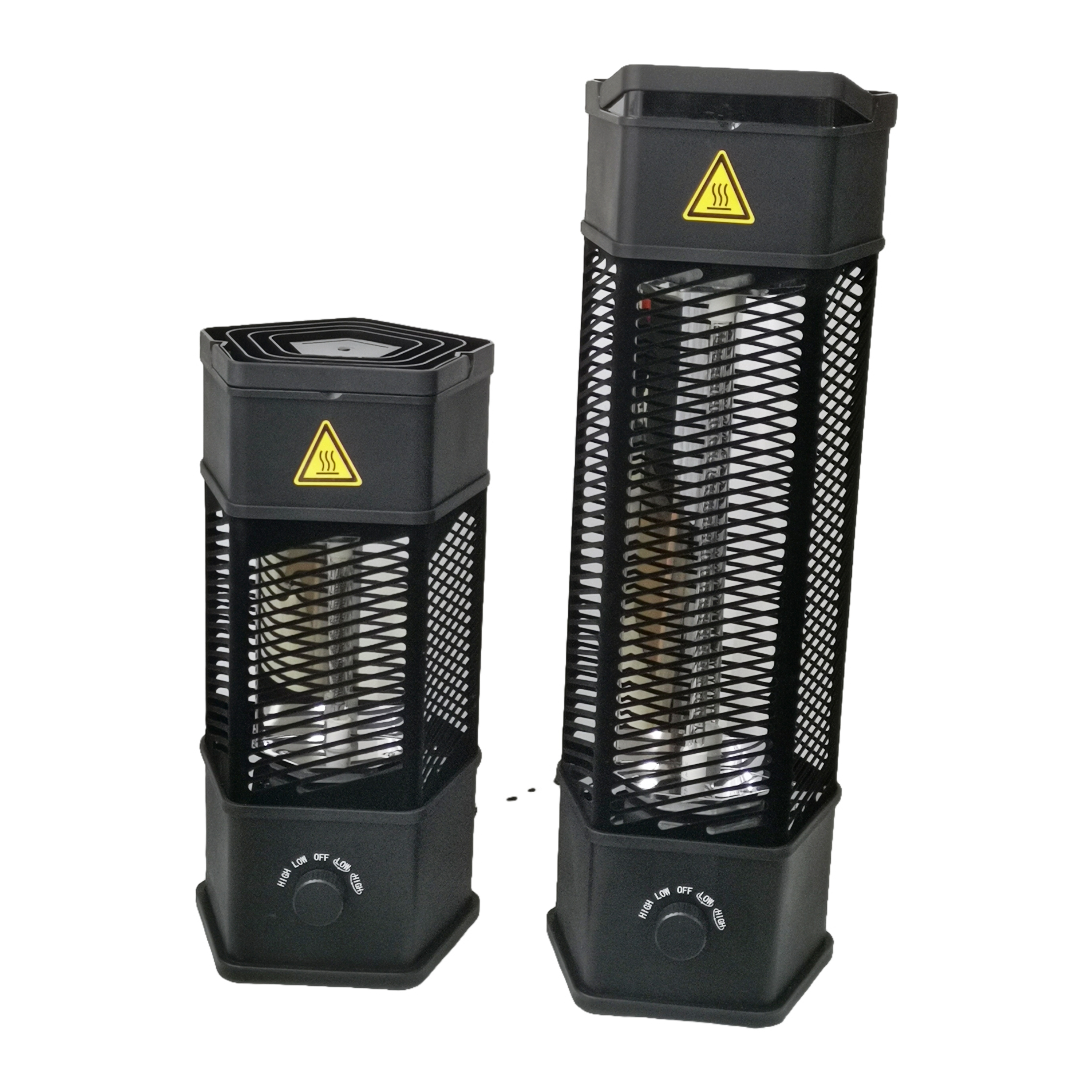
Why we put our bathroom lamps through “the torture chamber”
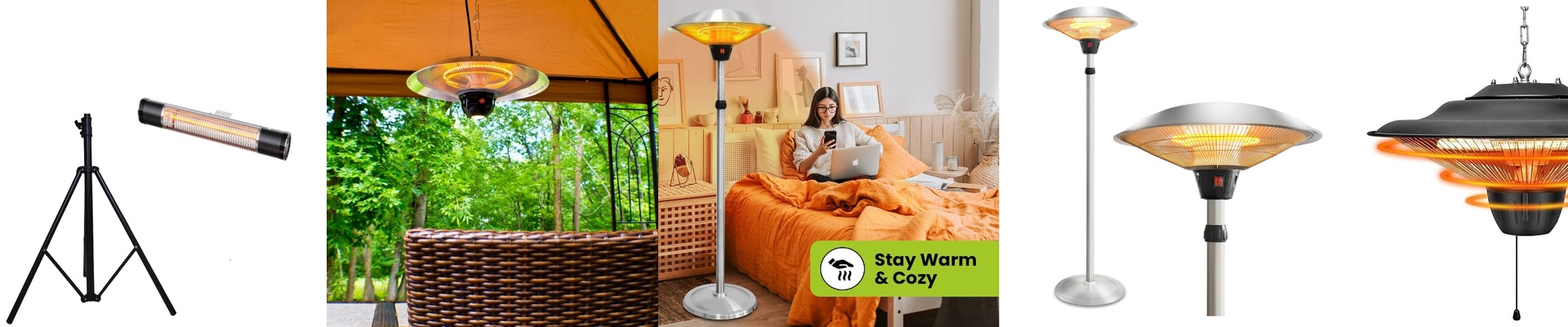
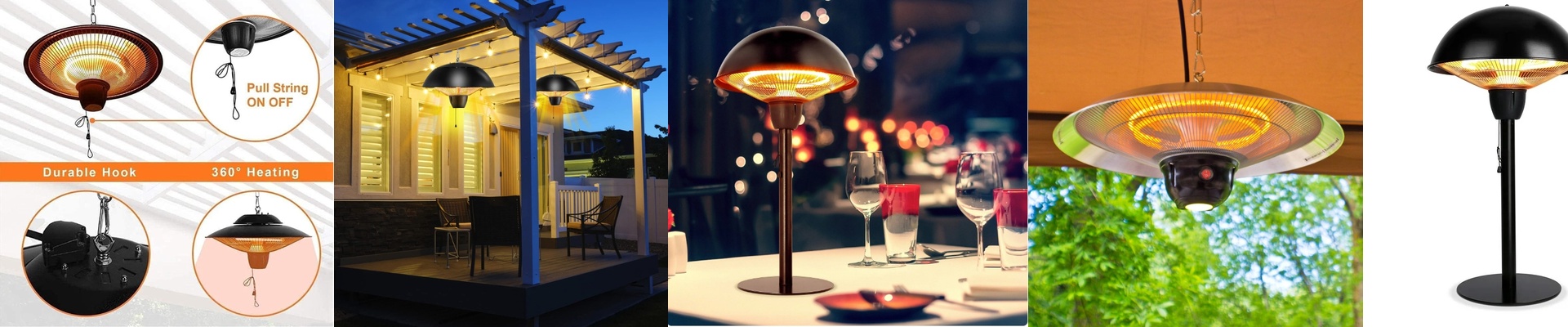
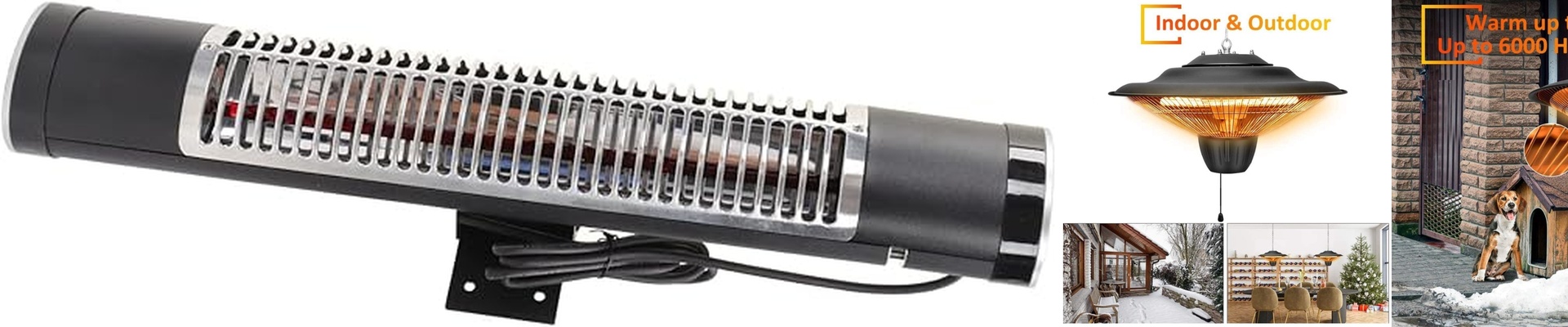
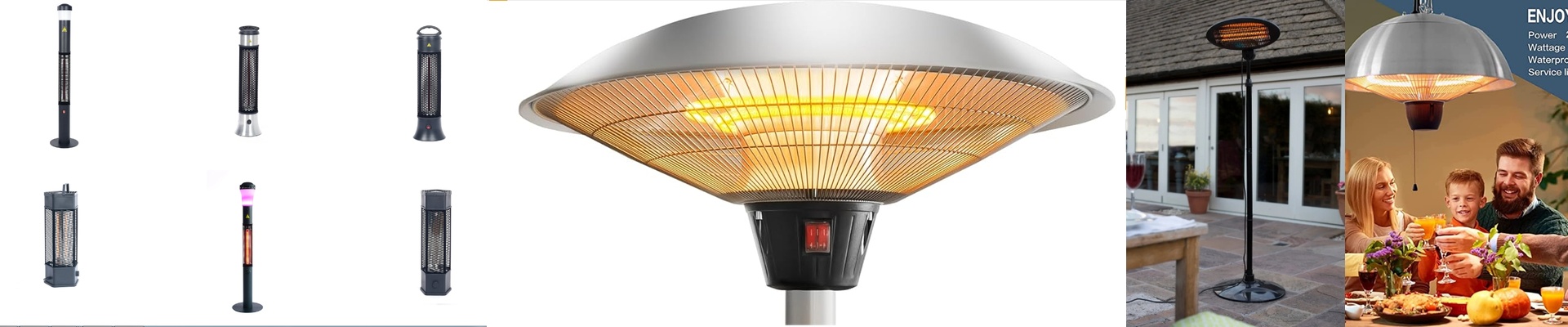
Let’s be honest: bathrooms are a nightmare for electronics. You’ve got thick steam, random water splashes, and temperature swings that would make a thermostat dizzy. If a lamp isn’t built right, the seal gives way, moisture sneaks in, and the whole thing burns out in a few weeks. Nobody wants to replace a heating element every month. That’s why we don’t just “hope” they work—we put them through damp-heat aging tests to make sure they actually hold up. The “Breathing” Problem Most of these heaters use quartz tubes. They’re fantastic for heat, but the points where they’re sealed can be tricky. Think about it: you flip a switch and the lamp goes from freezing to 600°C in seconds, all while sitting in a steamy room. The materials expand and shrink at different speeds. It creates this “breathing” effect that can literally suck humid air right into the housing. Once that moisture hits the filament? Game over. Oxidation happens, and the lamp dies. How we actually test them We don’t just spray them with a hose. We toss them into a climate chamber, crank the humidity up to 95%, and cycle the temperature over and over. We’re basically trying to break them. We’re looking for two big red flags. First, if the insulation resistance drops, it’s a safety risk, and that’s a hard no. Second, if the quartz starts to look cloudy, the heat output drops, and you’re left shivering in the shower. The balancing act You might think, “Just make the seal tighter!” But here’s the catch: if the seal is too rigid, the quartz tube has nowhere to go when it heats up. It’ll just crack under the pressure. It’s a delicate balance. We need the seal to be waterproof, but it still needs enough “give” to handle the heat without snapping. One last tip: make sure your fixture’s housing is vented. Even the toughest waterproof lamp will give up if the heat gets trapped in the casing and cooks the wiring from the inside out.