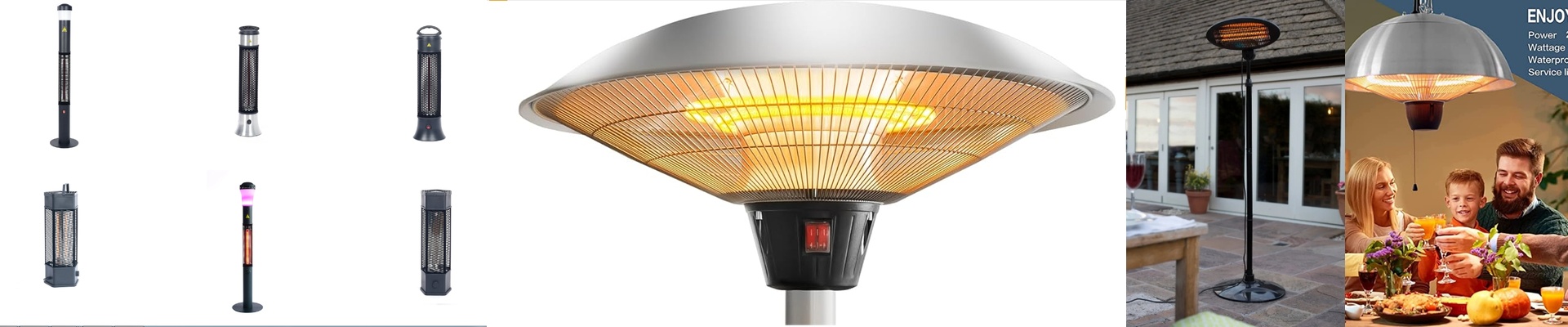
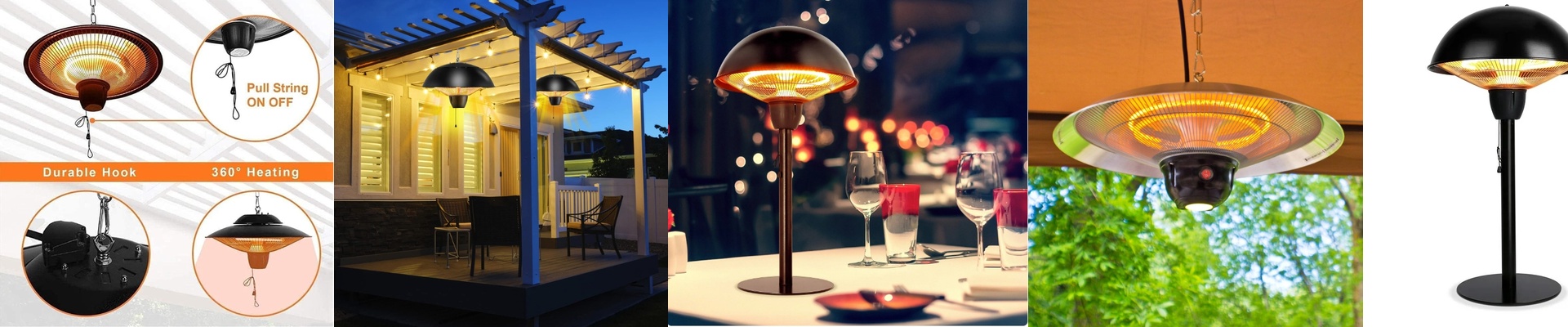
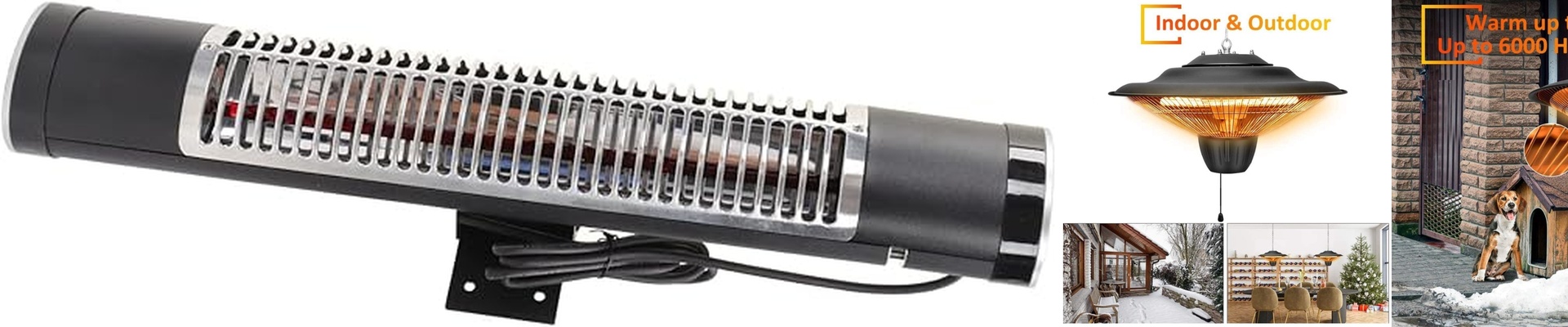
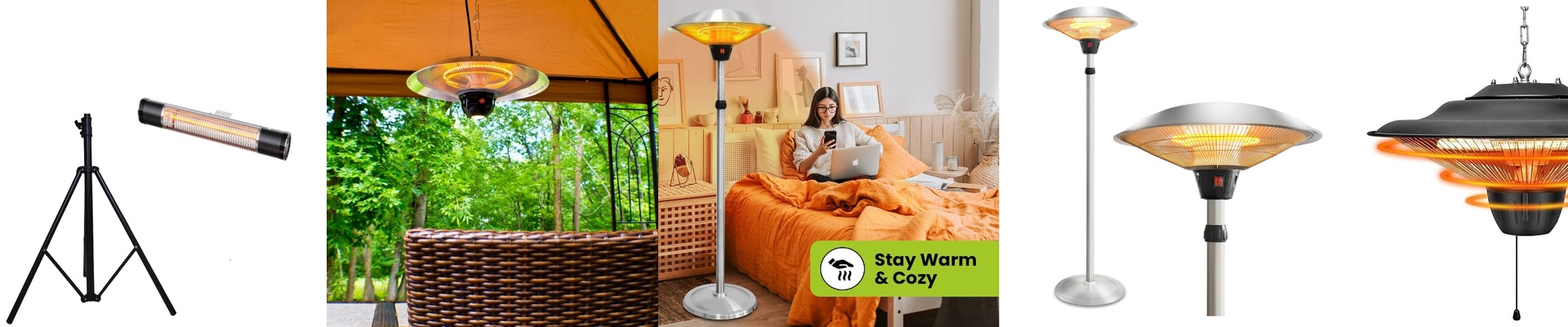
Why we’re swapping out old bathroom lamps for high-IP infrared heaters
Ever notice how those old-school bathroom heat lamps always seem to burn out right when you actually need them? It’s not a coincidence. Bathrooms are basically steam rooms, and all that moisture loves to sneak into the housing, causing short circuits or just killing the bulb. That’s why we’ve been moving toward high-waterproof (IP-rated) infrared wall heaters. They actually hold up. The feeling of instant heat Most heaters try to warm up the air in the room. The problem? That takes forever, and the heat just drifts toward the ceiling. Infrared is different. It doesn’t care about the air; it goes straight for you. It’s like stepping into a beam of sunlight on a cold day. You feel it the second you flip the switch. We use quartz tubes with special coatings so you get that deep, cozy warmth without the blinding, harsh glare that makes you squint every time you look up. Built for the steam Let’s be real: bathrooms are brutal on electronics. To stop water from wrecking the internals, we use an IPX4 rating or higher. This keeps splashes away from the electrical bits. We also ditched the open-bulb look. Now, everything is sealed behind tempered glass or tough polymers. Why? Because when steam hits a hot filament, it can cause the glass to crack from the shock. Sealing it keeps the moisture out and the heater alive. We use aluminum or reinforced polymers for the body, too, so you don’t have to worry about rust or corrosion eating away at the unit. Getting it on the wall If you’ve already got a wall heater, these are pretty easy to swap in. They plug right into your existing 220V circuit. Just a heads-up: double-check that your circuit breaker can handle the peak wattage so you aren’t tripping the power every time you want a warm shower. One thing to keep in mind: infrared heat is very directional. It’s a beam, not a cloud. If you mount the heater too high or tuck it into a dead corner, you’re going to end up with “cold spots.” You’ve got to think about where you’ll actually be standing. Map out the angle of the tube first, making sure you’re actually standing in the path of the heat. Otherwise, you’re just warming up the wall.