Why we’re ditching those old bathroom heat lamps for infrared
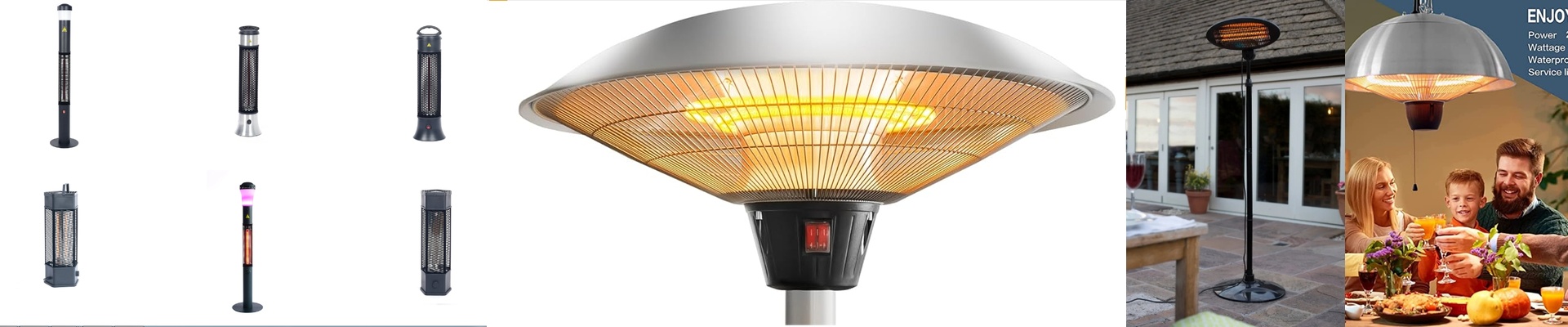
You know those old-school bathroom heat lamps? The ones that basically just use a giant, glowing lightbulb to try and warm you up? They’re a waste. Most of that energy goes into making the room bright, not making you warm. That’s why we’ve moved toward high-grade waterproof infrared heaters. Instead of trying to heat up all the air in the room—which takes forever—these go straight for you. It’s like stepping into a beam of sunlight. You feel it instantly.
Dealing with the steam
Bathrooms are brutal on electronics. Between the shower steam and the humidity, moisture gets everywhere. If a heater isn’t sealed properly, steam creeps into the housing, shorts out the circuit, and—boom—you’ve got a dead heater. That’s where IP ratings come in. I won’t get too bogged down in the technical jargon, but basically, it means the seals around the quartz tube and the wiring are airtight. If you go cheap here, the tube will likely crack the first few times it heats up and cools down. Not a great look.
How the tech actually works
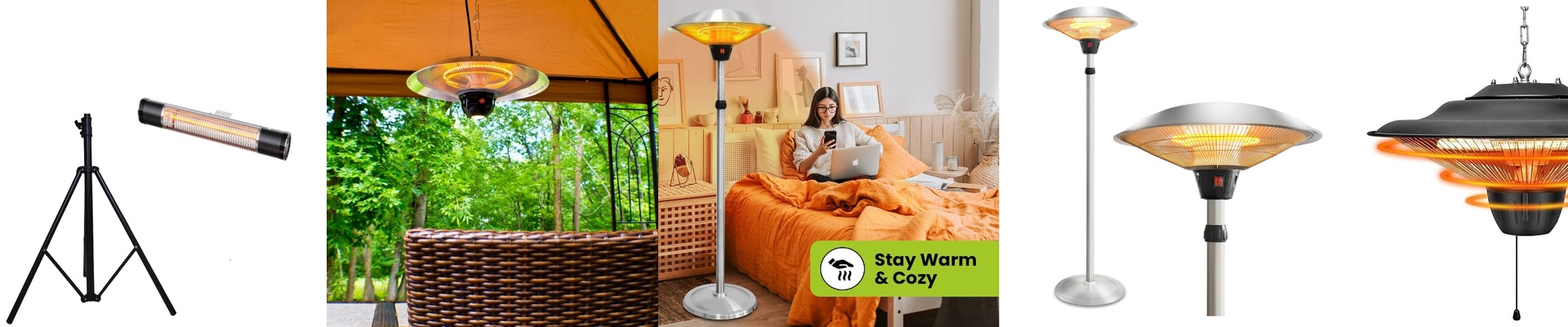
Inside these units, there’s a quartz envelope filled with halogen gas. This is the secret sauce. It lets the filament get way hotter without burning itself out. Because it uses short-wave radiation, there’s no “warm-up” period. You flip the switch, and you’re warm. We also have to be careful about where these go. If you’re tucking a heater into a mirror frame, you can’t just crank the power. Too many watts in a small space will actually crack the glass or melt the plastic mounts. It’s all about finding that sweet spot.
The tricky part: Installation
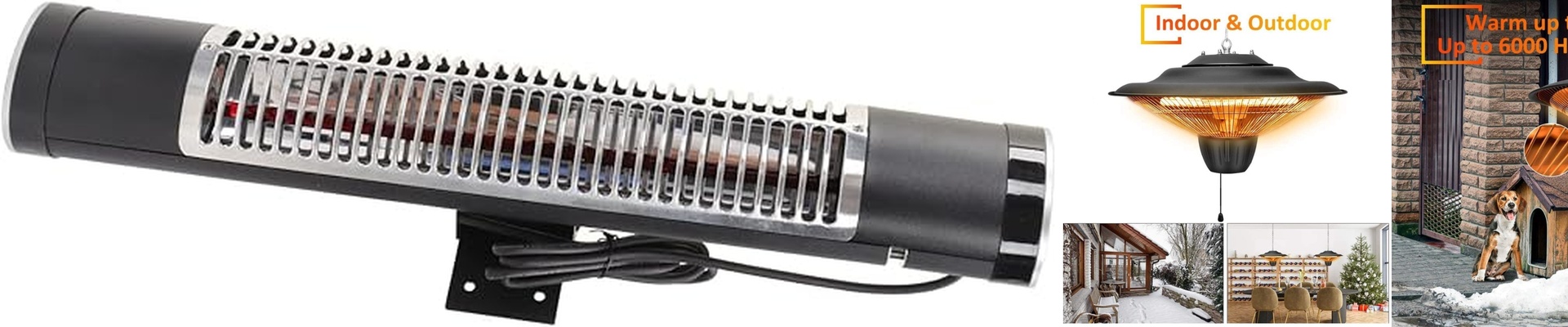
If you’re putting these in, don’t cut corners on the wiring. You need a dedicated GFCI circuit. These heaters pull a lot of current, so if your wiring is too thin, you’ll get voltage drops. And a quick heads-up: short-wave infrared is powerful. Really powerful. If you mount the heater too low or pick one that’s too strong for a tiny bathroom, it can feel a bit “biting” on the skin. You have to get the angle and the distance just right so you get a cozy glow rather than a hot spot.