Keeping Things Safe in Explosive Cleaning Zones
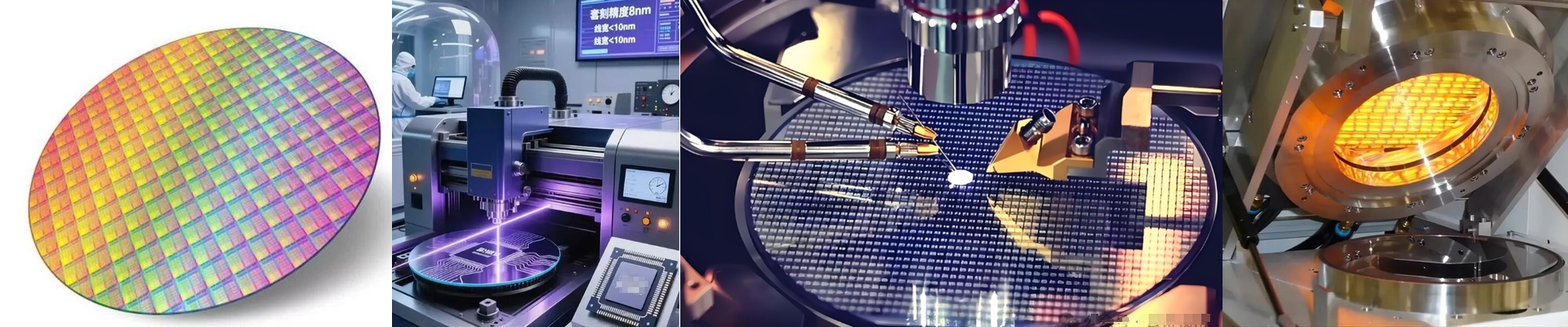
When you’re heating wafers in a chemical cleaning setup, you need more than just a heat source. You need peace of mind. If you’re working with flammable or explosive solvents, a basic infrared lamp isn’t just a tool—it’s a risk. That’s why we build our heaters with specialized encapsulation. It keeps the ignition risks out and the stability in, even when the chemicals get nasty.
How we handle the housing
We don’t just leave the quartz tube sitting there exposed. That’s asking for trouble. To stop volatile vapors from hitting the heating element or sparking a disaster, we wrap everything in a sealed, explosion-proof housing. We use high-purity quartz glass because it doesn’t warp under pressure, meaning the infrared radiation hits the wafer exactly where it should. And the wiring? We seal those electrical terminations with high-temp gaskets. It keeps the corrosive fumes away from the electronics, so you aren’t dealing with unexpected failures.
Getting the temperature right
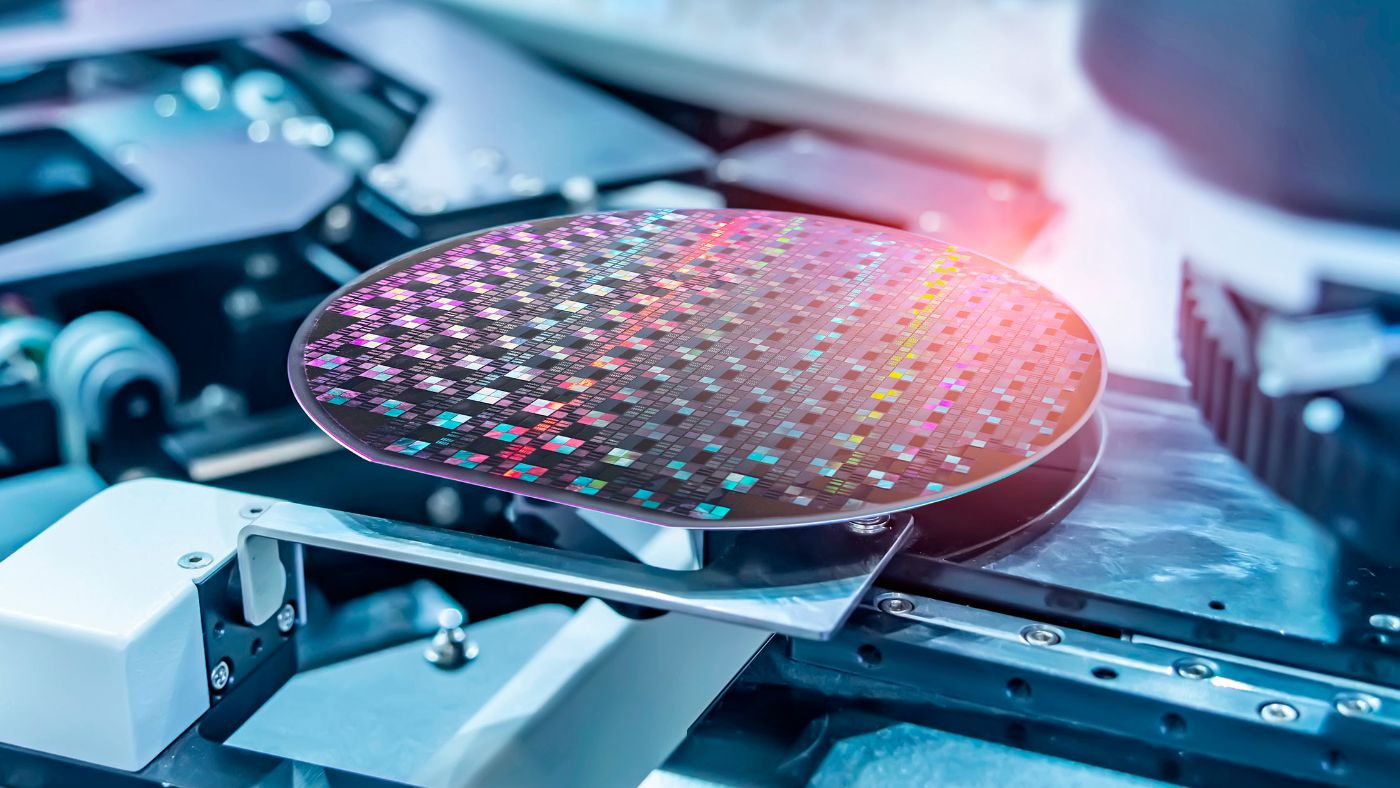
Here’s the trick: we use shortwave infrared (SWIR). It lets us heat the wafer surface directly. It doesn’t waste energy heating the air or the chemical bath around it, which is huge because it keeps you far away from solvent flash-points. We keep the tolerances tight. If your process drifts by just a few degrees, you’re not just risking a ruined wafer—you’re risking a safety alarm that shuts down your whole line. Nobody wants that.
The real-world stuff
Now, let’s be honest about the trade-offs. High-density infrared heating pulls a lot of power. The fast ramp-up time is great for your throughput, but all that heat concentrated in one spot means your chassis needs a solid heat sink. If you don’t vent the housing properly, you’ll burn through your seals way too fast. It’s just physics. We designed these units to be drop-in replacements for your existing cleaning lines. You get the raw heat density you need for fast drying or curing, but the enclosure keeps the electricity and the chemistry on opposite sides of the fence. No sparks. No leaks. Just a process that works.