
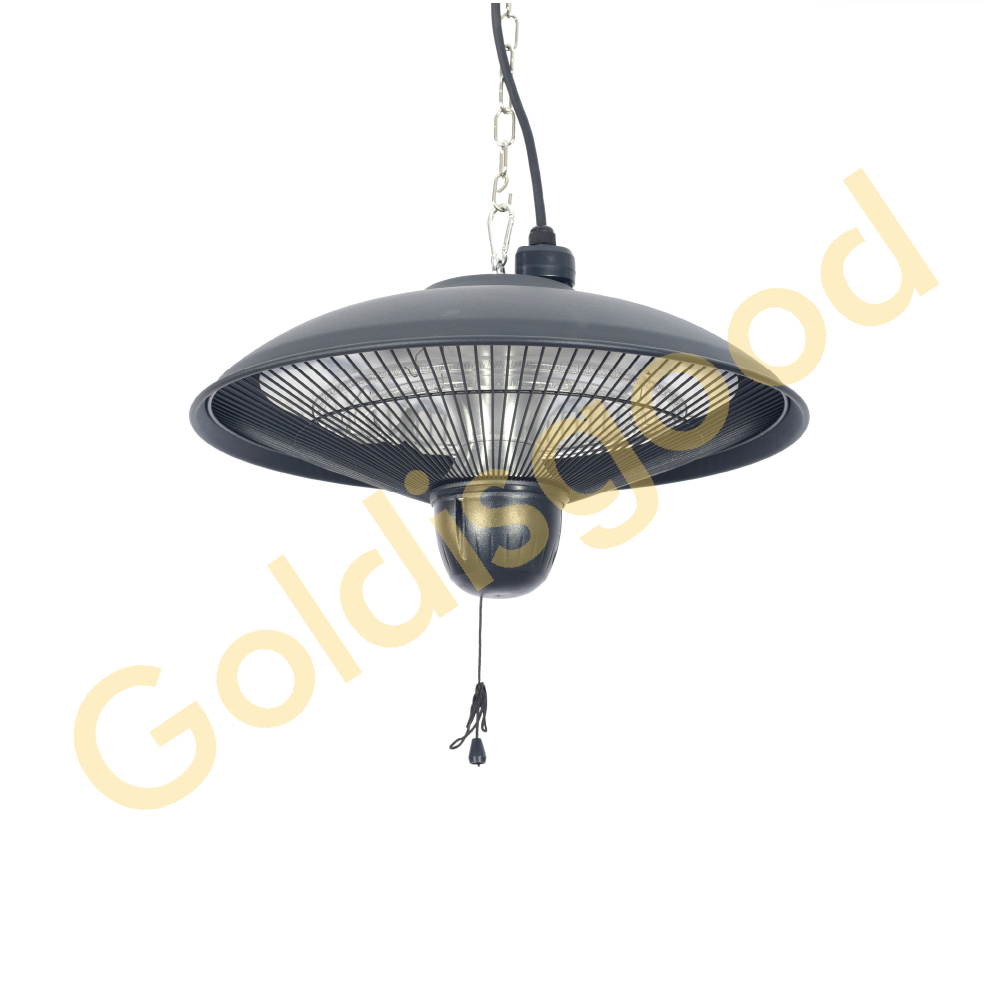
Why we basically try to “kill” our bathroom lamps before they reach you
Let’s be honest: bathrooms are a nightmare for electronics. You’ve got thick steam, constant humidity, and those wild temperature swings when you jump in a hot shower. Most heating elements just can’t handle it. They give up way too early. We aren’t interested in guessing how long our lamps will last. Instead, we throw them into a controlled chamber and try to force them to fail.
The battle against moisture
Here is the thing about water vapor—it doesn’t just sit on the glass. It sneaks into the sealants and attacks the electrical contacts. When that moisture hits the quartz tube or the base, it can trigger something called electrolytic corrosion. In plain English? It causes arcing or just burns out the filament entirely. To stop that from happening in your home, we put every batch through “damp-heat” tests. We basically simulate years of steamy showers in just a few hundred hours.
The “Thermal Shock” problem
Imagine a lamp going from ice-cold to 500°C in a matter of seconds. Now add a humid room to the mix. That creates a massive pressure difference. If the seal between the glass and the metal cap isn’t perfect, moisture gets sucked right into the vacuum. Once that happens, the tungsten filament oxidizes and snaps.**Pop.**Gone. We cycle our lamps through extreme wet-dry phases over and over. If the seal doesn’t hold, the lamp doesn’t ship.
A bit of a trade-off
To get a seal that actually keeps water out, we have to use thicker gaskets or specific resins. Because of that, the heat might distribute slightly differently than it would in a cheap, non-waterproof industrial tube. It’s a small trade-off, but it’s one we’re happy to make. It’s a lot better than having your lamp short out while you’re mid-shower. Throughout all this, we’re constantly tracking the resistance of the heating element. If the output drops even a little too much under humidity, we scrap the whole lot. It’s a tough process, but it’s the only way to make sure your light doesn’t burn out two months after you’ve wired it in.