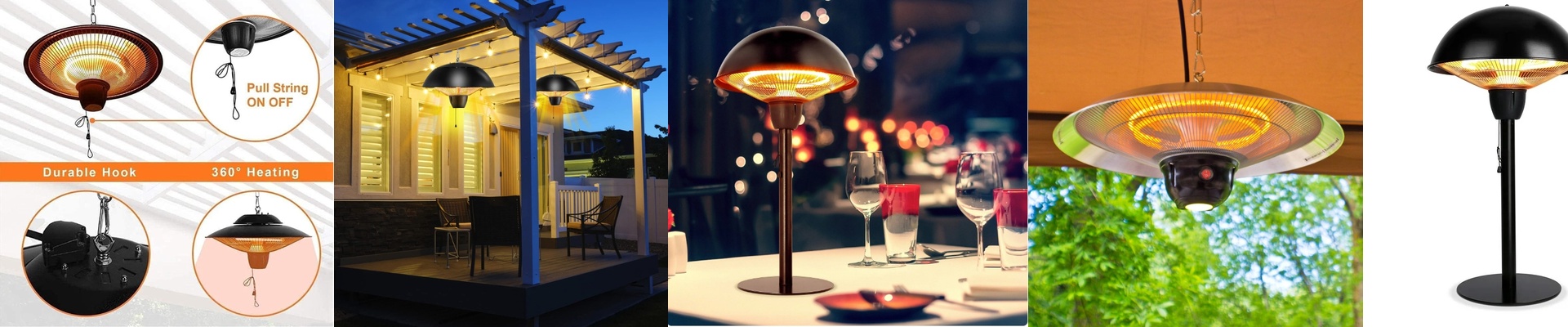
Making Your Pergola Actually Warm (Without the Headache)
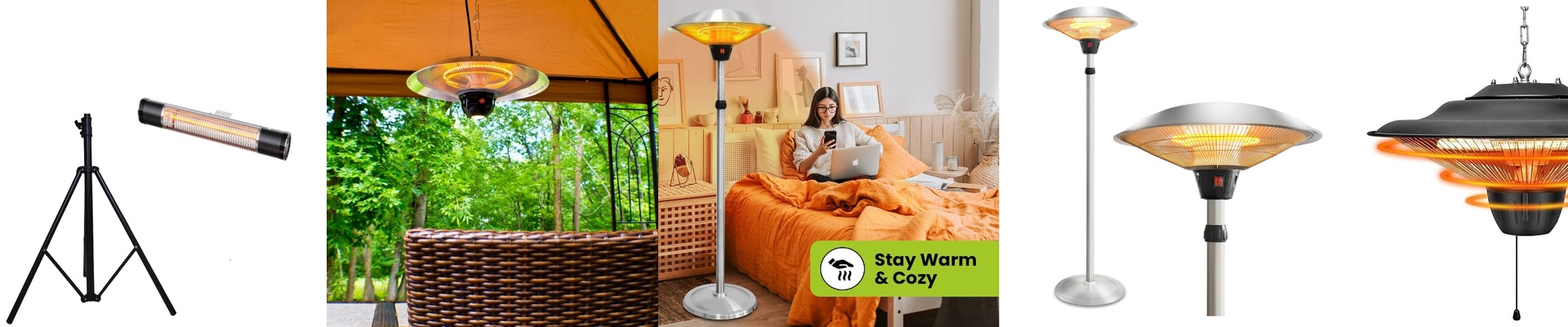
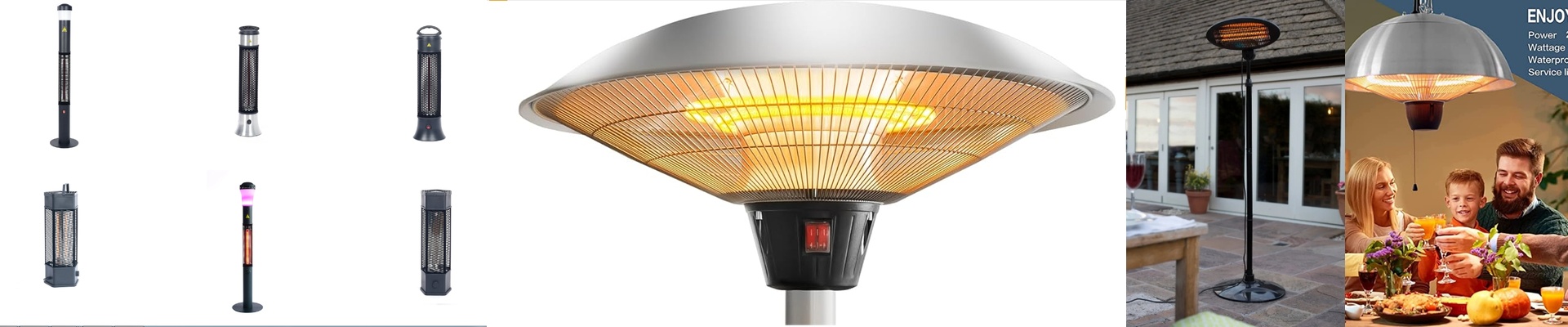
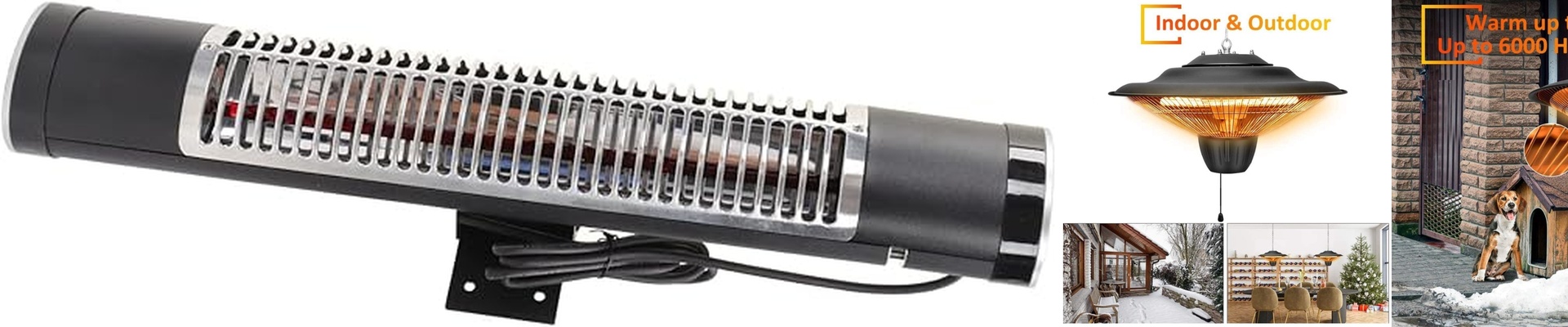
Let’s be honest: most outdoor heaters are a joke. You turn them on, they warm up the air for about three seconds, and then a light breeze carries all that heat away. You’re still shivering, but now you’re paying a fortune in electricity. That’s why we do things differently. Instead of trying to heat the wind, our infrared heaters go straight for you. It feels like sitting in a patch of sunlight on a crisp October morning. Instant warmth, right on your skin. The “Magic” Button We wanted the controls to be dead simple. No fiddling with clunky dials or old-school switches. We hook everything up to your smart home using Zigbee or Matter, so you can just tap a button on your phone. But behind the scenes, there’s a bit of heavy lifting. Infrared heaters pull a lot of juice. To handle that without burning anything out, we use Solid State Relays (SSRs). They do the dirty work of managing the power without the clicking and wearing down that you get with cheap mechanical switches. You just hit “Winter Mode” and feel the heat. Simple. Built for the Rain Since these live outside, they have to be tough. We’re talking IP65 and IP67 ratings, which is just a fancy way of saying they won’t fry the first time it pours. We use thick silicone gaskets and sealed cable glands to keep the guts of the machine dry. Plus, we house the elements in quartz glass or coated aluminum. Why? Because humidity loves to eat metal, and we want your heaters to actually last more than one season. A Quick Warning on Your Wiring Here is the part where people usually mess up: the power. Infrared lamps are powerful, but they’re thirsty. If you’ve got four 1500W heaters in a pergola, you’re pulling 6kW. If you try to plug that into the same circuit as your patio lights, you’re going to trip your breaker the second you turn them on. You’ll need dedicated, heavy-duty wiring and the right breakers. It’s a bit more work upfront, but it beats sitting in the dark and cold because you blew a fuse. Getting it Installed Whether you’re building a new pergola or adding heat to an old one, the setup is pretty straightforward. The smart hub handles the “when” and “how,” while the hardware handles the heat. One pro tip: keep your cable runs short. If the wire has to travel too far from your main electrical panel, the voltage drops. When the voltage drops, the heat fades. Keep the path short, and your heaters will stay scorching.