Stop Heating the Air: A Better Way to Build Your Smart Fab
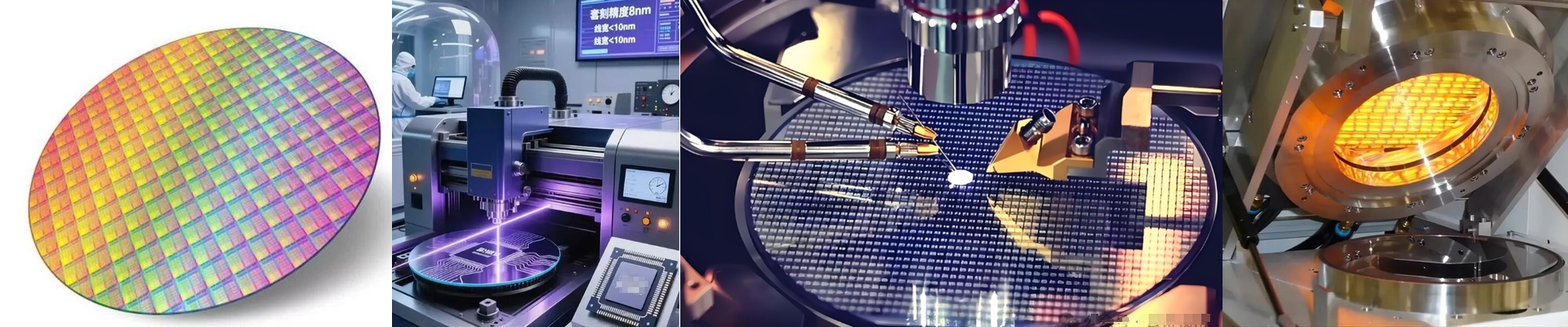
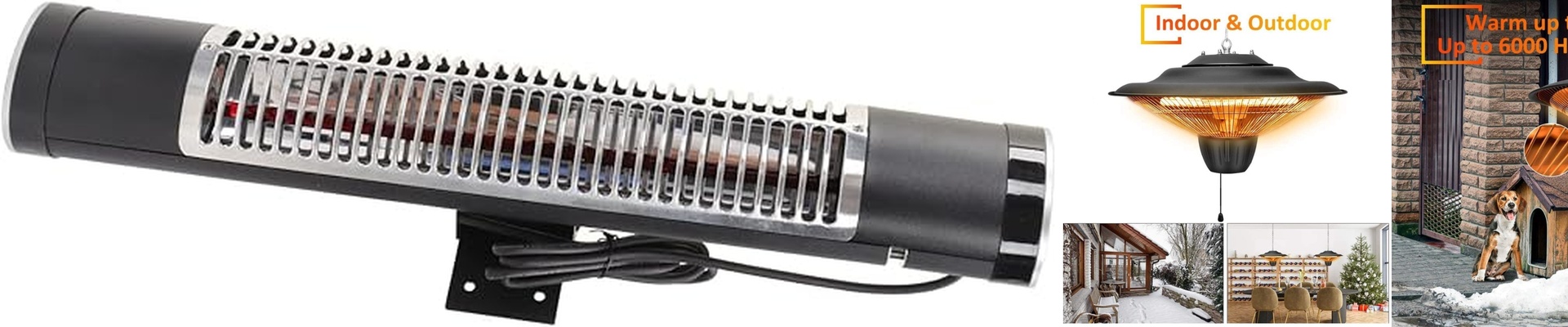
If you’re planning a Smart Fab for Industry 4.0, you’ve probably realized that the old way of doing things—basically just blowing hot air around—doesn’t really cut it anymore. In a cleanroom, the last thing you want is a bunch of airborne particles or weird temperature swings messing with your work. That’s why we lean on infrared (IR) systems. Instead of trying to warm up the entire room, IR sends energy straight to the workpiece using electromagnetic waves. It’s cleaner. It’s more direct. And it saves you from wasting energy on the air.
Getting a Grip on Your Data
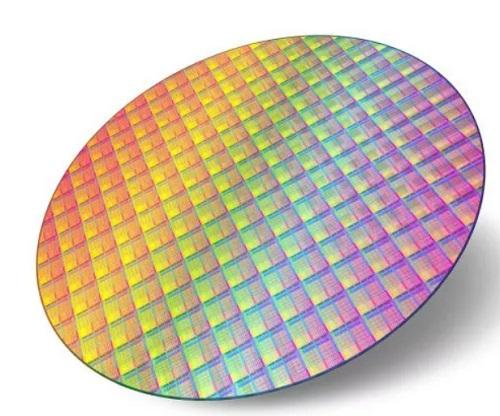
A smart factory is only as good as its feedback loop. This is where IR really shines because it doesn’t have that annoying “thermal lag.” Think about those heavy resistive heaters. You turn them on and then… you wait. And wait. IR lamps, on the other hand, hit your target temperature in seconds. You can plug them right into your PLC with PID controllers to tweak the power on the fly. Suddenly, heat isn’t just a setting on a dial—it’s a data point. You can actually track the thermal history of every single wafer or batch in your logs.
The Trade-off: Power vs. Heat
Now, here’s the catch. To get the kind of heat density you need for semiconductors or precision electronics, we usually go with high-wattage short-wave lamps. They pack a huge punch in a tiny space. But all that power creates a bit of a headache: waste heat. If you’re pumping 2kW into a compact area, the chassis is going to get hot. You’ve got to make sure your cooling manifold is sized right. If you skip that step, your sensors will start to drift—or worse, they’ll just fry.
Keeping the Cleanroom, Clean
We use quartz-encapsulated elements to stop outgassing. These materials don’t shed particles, so your ISO class stays exactly where it needs to be. Plus, when you ditch the forced-air systems for IR, you stop stirring up the air. Less turbulence means fewer contaminants landing on your silicon. It’s a simple swap, but it makes a massive difference in your yield.