
Stop Wasting Heat: Why Gold Reflectors Actually Matter
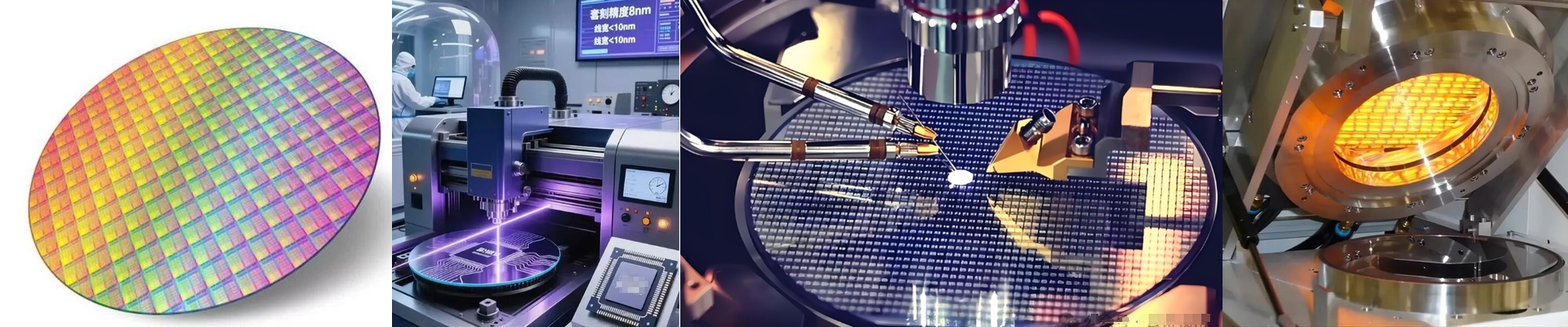
When you’re heating silicon wafers, every single watt is a resource. Most people stick with standard aluminum reflectors, but here’s the problem: aluminum drinks up too much energy. It absorbs the heat instead of pushing it where it needs to go. That’s why we use gold. It sounds fancy, but it’s purely practical. We’re just trying to make sure the IR energy actually hits the wafer instead of heating up your machine’s chassis for no reason. The logic is simple. Gold is just better at bouncing infrared light than aluminum or stainless steel. By putting a precision layer of gold on the reflector, we stop those energy leaks. More photons bounce back. The focus gets tighter. It’s less about “better heating” and more about making sure the electricity you’re paying for actually ends up in the wafer. But there’s a catch. High-flux IR lamps put out a massive amount of heat. When you pair them with gold reflectors, the heat density at the focal point spikes.Hard. If your cooling system—whether it’s airflow or a water loop—isn’t up to the task, you’re asking for trouble. You could warp the reflector or fry the lamp ends. Keep a close eye on those operating temperatures so you don’t kill your filaments early. Now, let’s be real about the trade-offs. Gold costs more than silver or aluminum. Period. It’s also a bit of a diva when it comes to cleanliness. A single fingerprint or a speck of dust can create a “cold spot” on your wafer. That leads to uneven temperatures across the substrate, which ruins your results. **Wear the gloves.**Use high-purity cleaners. Treat these things with care. If you’ve noticed your ramp-up times are inconsistent or your temperatures are sagging across the wafer, your current reflector is probably soaking up too much energy. Switching to gold fixes that distribution. It basically turns your heating chamber into a high-efficiency oven.