Why we’re ditching the ovens for IR curing in smart sensors
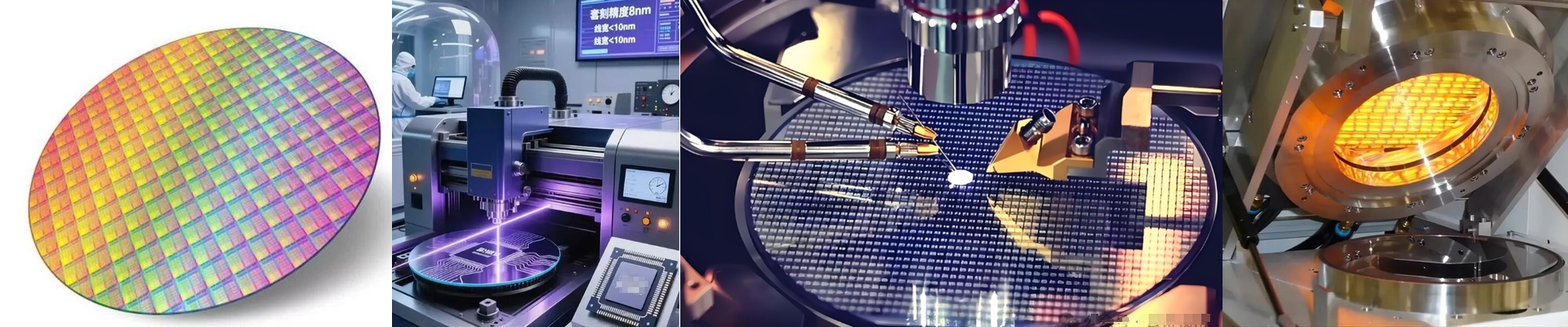
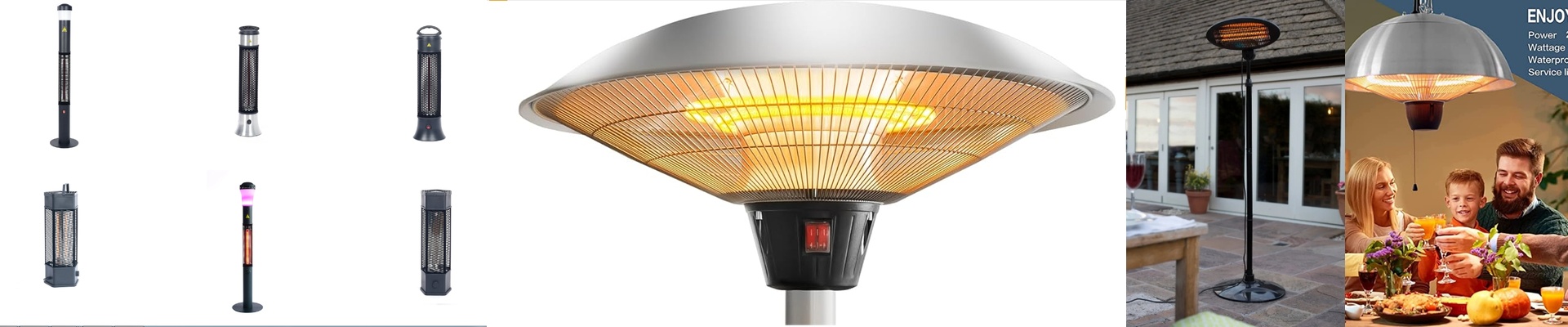
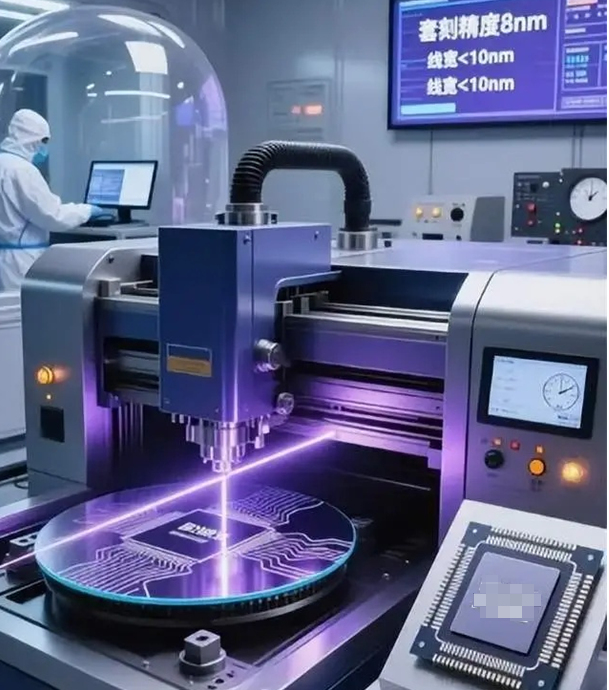
For a long time, semiconductor packaging relied on those massive convection ovens. But things are changing. We’re moving toward infrared (IR) curing, mostly because the world is pushing for “lead-free” and green energy. When you’re building smart sensors, you’ve got a tricky balance to strike: you need to dry your resins or set your adhesives, but you can’t just blast the silicon die with heat or rely on nasty solvents. Here is the real difference. Convection is basically heating up the air and hoping that air heats up your part. It’s slow. It wastes a ton of energy. IR is a different beast entirely. It uses electromagnetic radiation to hit the material directly. Think of it as heating from the inside out. Because the energy actually penetrates the packaging, it cures much faster. Plus, it means we can stop using those toxic chemical accelerators that were common back when lead-based curing was the norm. The lead-free struggle If you’ve worked with lead-free solders or polymers, you know they’re picky. They have a very narrow temperature window. One slip-up, one overshoot, and your substrate warps. It’s a nightmare. With IR lamps, we can actually tune the wavelength to match the specific polymer we’re using. You get a quick ramp-up to exactly where you need to be, without waiting for a giant oven to catch up. We usually stick with short-wave or medium-wave IR to keep the equipment small and the power bill low. The catch (because there’s always one) Now, IR isn’t some magic wand. You still have to deal with the “shadow effect.” If your sensor package has a weird shape or complex geometry, the IR rays can’t hit every nook and cranny. If the underside stays cold, you’re in trouble. You’ll end up with uneven shrinkage and internal stress that could ruin the sensor housing. The fix? You have to be smart about the setup. Use dual-sided lamps or a rotating jig to make sure the heat hits everything evenly. It takes a bit more planning, but the results are worth it.