Stop Heating Your Machine Walls
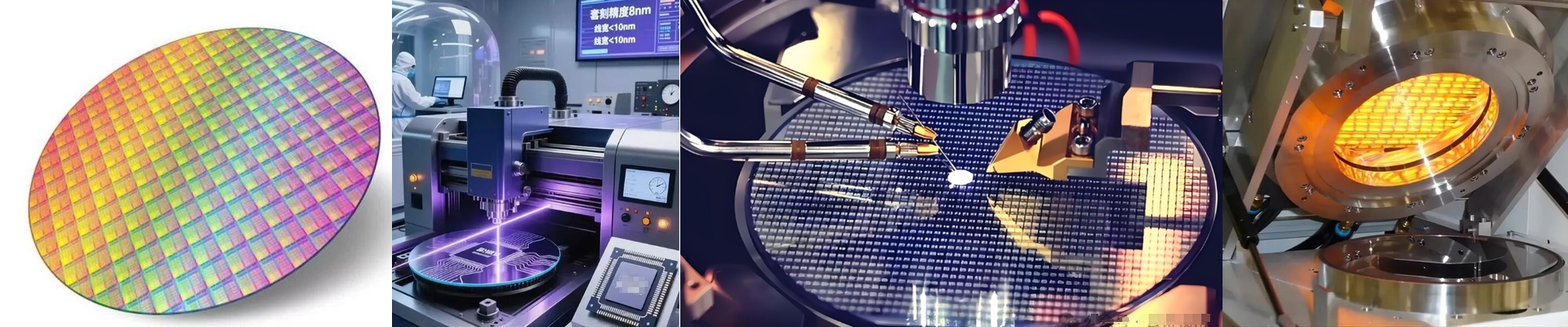
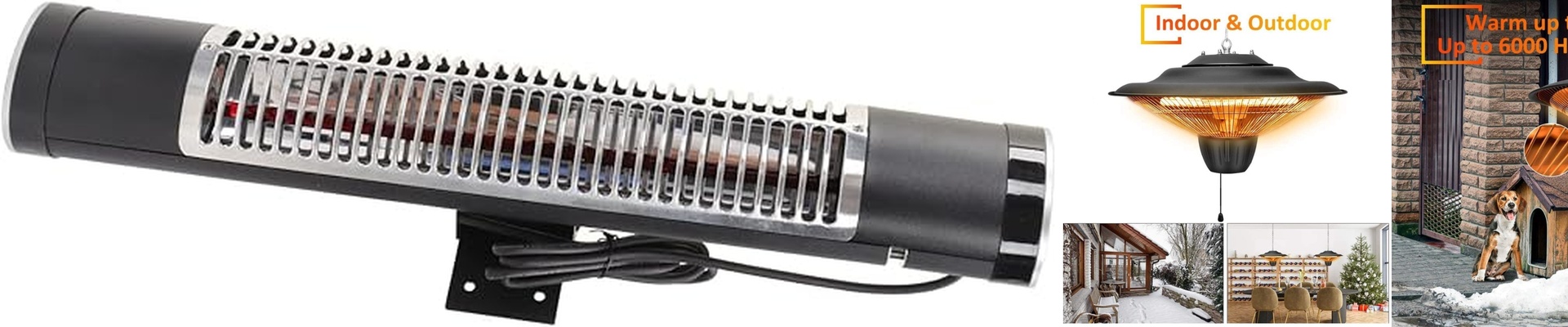
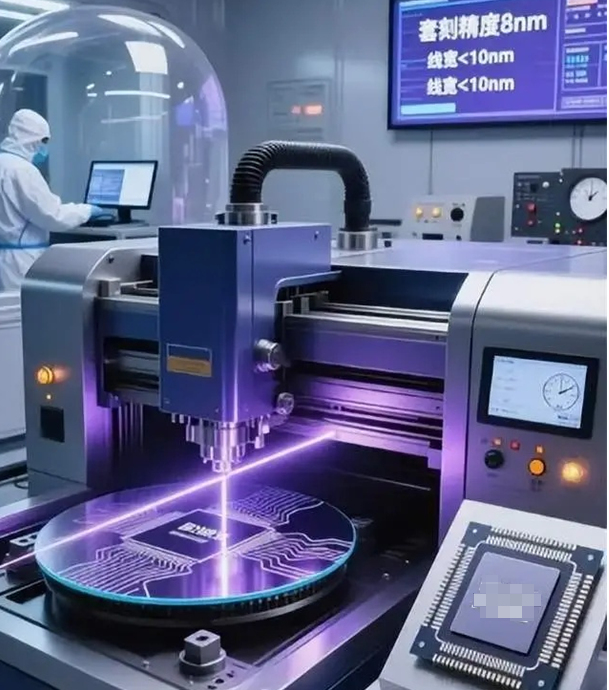
Most infrared lamps are a bit chaotic. They throw heat in every single direction—a full 360 degrees. In a wafer tool, that’s a problem. Instead of all that energy hitting the wafer, a huge chunk of it just blasts the inner walls of your equipment. It’s a waste of power. Worse, it makes the outside of the machine hot enough to actually burn someone. That’s why we use directional heating.
Getting the heat where it actually belongs
Think of it like switching from a bare lightbulb to a flashlight. We use internal reflectors and special coatings to push the radiation forward. By narrowing that beam, the heat goes straight to the wafer and stays away from the tool’s “skin.” You stop paying to heat up air and steel walls. Plus, your facility’s cooling system doesn’t have to work nearly as hard. It’s just… easier on everything.
The tricky part (and how to handle it)
Concentrating the energy changes things. You get a much higher heat density on the wafer surface, which is great for precision tools where temperature uniformity is everything. But you have to be careful with the focal point. If the lamp is too close? You’ll get hot spots. Too far? The beam spreads out and you lose the whole point of going directional. You’ve got to get the alignment just right to keep those chamber walls cool.
Safety and the boring stuff
Keeping the walls cool isn’t just about the electric bill. It’s about not getting burned. When the interior stays cool, maintenance and tool loading become a lot less stressful for the people actually doing the work. The best part is that these are drop-in replacements for standard IR tubes. We use quartz envelopes so they can handle the thermal shock without cracking. One quick heads-up: double-check your power supply. Because the output is so concentrated, the current draw can be different than what you’re used to with a standard bulb. Just make sure your wattage matches up and you’re good to go.